🧂 Baking Soda on the Face: Benefits, Risks, and 4 Gentle Alternatives
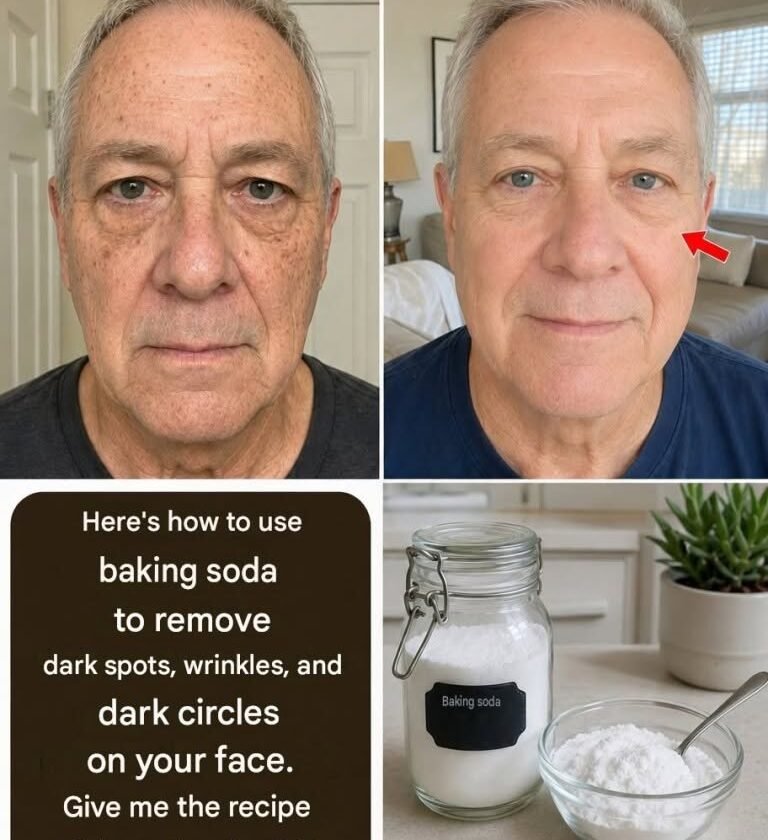
Baking soda is inexpensive and useful around the house, but your face isn’t the place to use it routinely. Although sodium bicarbonate can act as a mild exfoliant, it can also irritate the skin and disrupt the skin barrier. The American Academy of Dermatology specifically cautions that baking soda can irritate skin when used in DIY acne treatments.
What might baking soda do?
A baking-soda paste can provide temporary physical exfoliation and may make rough skin feel smoother. It has also been used as a soothing ingredient for certain itchy skin conditions, but that doesn’t make it an ideal everyday facial treatment.
⚠️ Potential risks
Using baking soda on your face may cause:
- Dryness or tightness
- Burning or stinging
- Redness and irritation
- Worsening of sensitive skin
- Damage to the skin barrier with repeated use
People with rosacea, eczema, very sensitive skin, or an already irritated skin barrier should be especially cautious. Irritated skin can develop contact dermatitis, producing redness, itching, swelling, or a rash.
🌿 4 gentler “DIY” options
Rather than giving you recipes that put baking soda directly on facial skin, these are safer approaches:
1. 🥣 Colloidal oatmeal
Mix finely ground colloidal oatmeal with lukewarm water into a soft paste and rinse gently. Oat-based products are commonly used to soothe dry or irritated skin.
2. 💧 Plain moisturizer
For dryness, a fragrance-free cream or ointment is generally a better choice than an exfoliating DIY treatment.
3. 🧴 Petroleum jelly for very dry spots
A thin layer can help seal moisture into particularly dry areas. Avoid applying it to acne-prone areas if it tends to cause breakouts for you.
4. ☀️ Sunscreen for uneven pigmentation
If your goal is fading dark spots or preventing further discoloration, use a broad-spectrum SPF 30+ sunscreen rather than relying on baking soda. Consistent sun protection is a much more evidence-based approach.