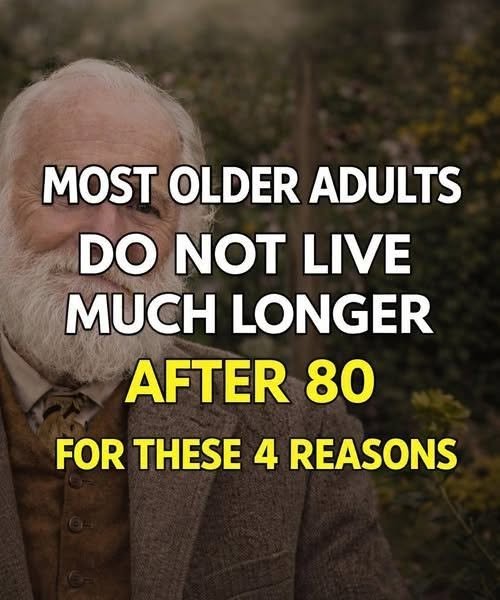
“Most older adults don’t live much past 80” — Is that true?
This headline is misleading. Turning 80 does not mean that a person is likely to die soon. Life expectancy varies substantially by country, sex, health, socioeconomic circumstances, and individual risk factors. WHO notes that some people in their 80s have physical and mental abilities comparable to much younger adults. (World Health Organization)
That said, the risk of illness and death does increase with advancing age. Four major factors are:
1. Cardiovascular disease ❤️
Heart disease and stroke remain major causes of death worldwide. High blood pressure, diabetes, high cholesterol, smoking, and physical inactivity can increase risk. (World Health Organization)
2. Cancer
Cancer risk generally rises with age because genetic and cellular damage accumulates over a lifetime. Screening appropriate for a person’s age and risk factors can help detect some cancers earlier.
3. Frailty, falls and loss of muscle
Aging can involve declining muscle strength, balance, and physical reserve. Frailty and falls can lead to serious injuries and loss of independence, particularly when combined with other illnesses. (World Health Organization)
4. Multiple chronic illnesses
Older adults are more likely to have several conditions at the same time—including heart and lung disease, diabetes, dementia, and kidney problems. Managing these conditions, reviewing medications, staying active, eating well, and maintaining social connections can support healthier aging. (World Health Organization)
The encouraging part
80 is not a deadline. Global longevity has been increasing, and WHO reports that survival at older ages has improved in many populations. (World Health Organization)
The more useful question isn’t “Will I live past 80?” but “How can I preserve my strength, independence and health as I get older?”