What Freezing Milk Actually Does Well
-
Extends storage life: Freezing halts bacterial growth, keeping milk safe well past its refrigerated date when frozen before expiration at 0°F (-18°C) or lower.
-
Works great for cooking and baking: Thawed milk works smoothly in soups, sauces, mashed potatoes, pancakes, and baked goods where minor texture shifts go unnoticed.
-
Allows portioned freezing: Freezing milk in ice cube trays or measured portions makes it easy to thaw small amounts for coffee, tea, or recipes without wasting a large carton.
Texture Changes, Limits, and Safety Rules
-
Fat and water can separate: Freezing disrupts the , leaving thawed milk looking watery or grainy until shaken or whisked well.
-
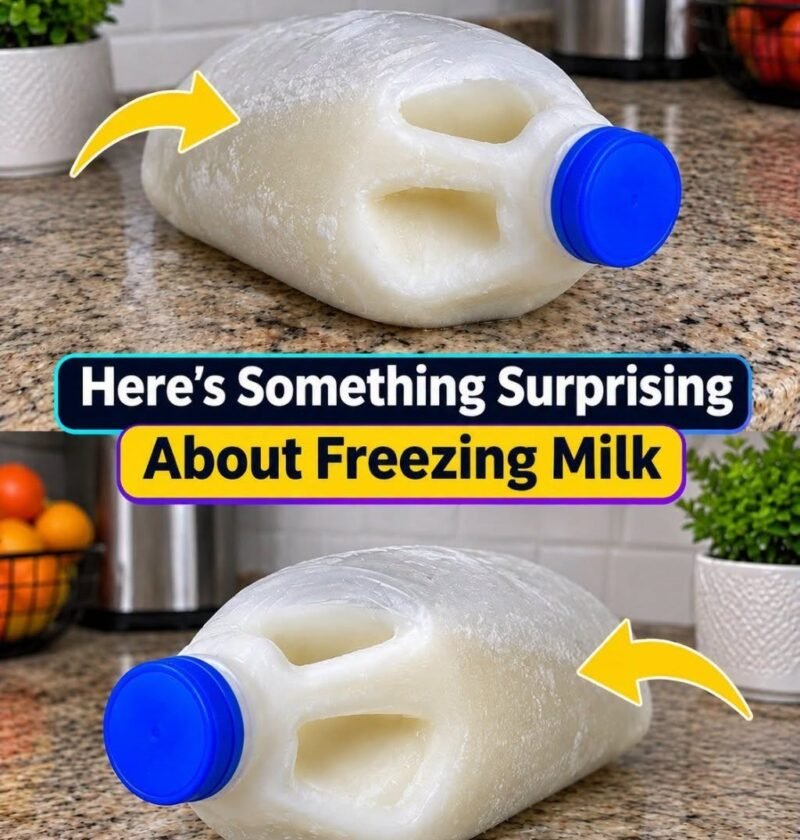
Leave expansion room: Water expands when it freezes; pour off a small amount or use a container with headspace so jugs do not bulge, split, or leak.
-
Thaw safely in the fridge: Move frozen milk to the refrigerator rather than leaving it on the counter, where warm outer layers can enter bacterial growth temperatures while the center stays frozen.
-
Best quality window: For best taste and texture, use frozen milk within about 1 to 3 months; even if safe longer, off-flavors or freezer odors can develop.