1. Recognize Warning Signs Immediately (BE-FAST)
-
B — Balance: Sudden loss of balance, severe dizziness, or trouble walking.
-
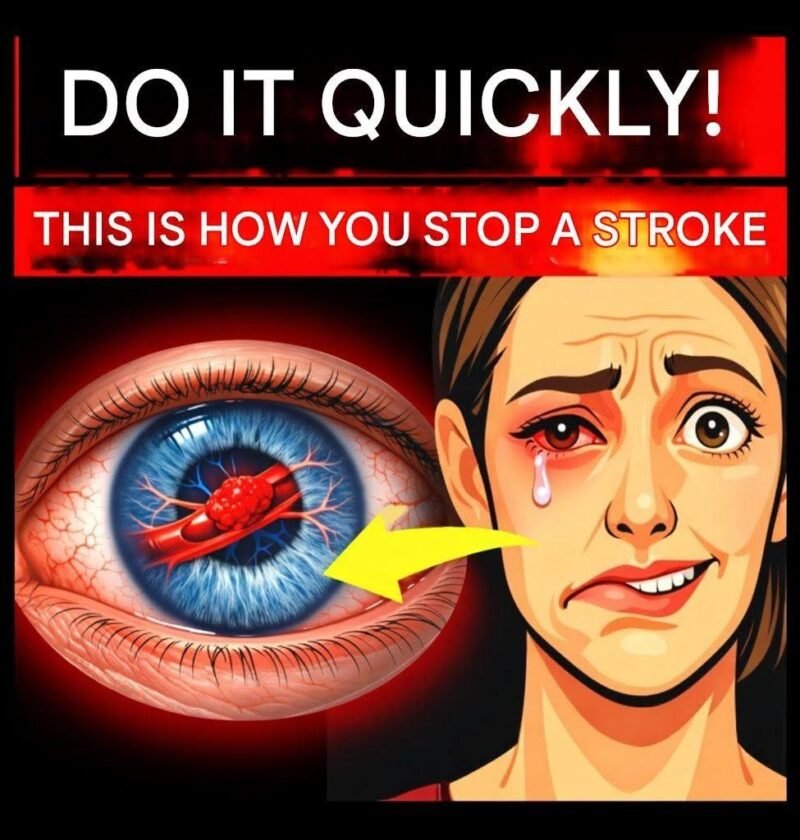
E — Eyes: Sudden blurred, double, or lost vision in one or both eyes.
-
F — Face: Uneven smile or drooping on one side of the face.
-
A — Arms: Sudden weakness or numbness in one arm or leg (one arm drifts downward when raised).
-
S — Speech: Slurred speech, trouble finding words, or difficulty understanding others.
-
T — Time: Act immediately—call emergency services (1122 in Pakistan) rather than driving yourself or waiting for a clinic appointment.
2. Critical Actions in the First Minutes to Hours (Before Hospital Arrival)
-
Note the Exact “Last Known Well” Time: Write down the exact minute symptoms started—or, if the person woke up with symptoms, the last time they were seen completely normal. Doctors rely on this timestamp to decide eligibility for clot-busting medication (IV thrombolysis, typically given within 4.5 hours of onset in eligible patients) or clot-retrieval procedures (mechanical thrombectomy, often up to 6–24 hours depending on brain imaging).
-
Do NOT Give Aspirin, Blood Pressure Pills, Food, or Water: Roughly 80–85% of strokes are ischemic (blocked artery), while 15–20% are hemorrhagic (bleeding in the brain)—and they look identical outside a CT/MRI scanner. Giving aspirin before a brain scan can worsen a hemorrhagic stroke, dropping blood pressure too fast at home can starve injured brain tissue of blood flow, and swallowing liquids or pills can cause dangerous choking/aspiration if throat muscles are weak.
-
Keep the Person Safe While Waiting for the Ambulance: Have them lie down comfortably with their head and shoulders slightly elevated (or place them gently on their side in the recovery position if drowsy, vomiting, or having a seizure), loosen tight clothing around the neck, and gather a list of their medications—especially blood thinners (anticoagulants)—to hand to emergency responders.
3. What Happens in the First Hours at the Hospital
-
Immediate Brain Imaging (Non-Contrast CT or MRI): Performed urgently on arrival to distinguish a blocked artery (ischemic stroke) from brain bleeding (hemorrhagic stroke), alongside blood glucose, blood pressure, ECG, and clotting checks.
-
Targeted Emergency Treatment:
-
Ischemic Stroke: If scans rule out bleeding and criteria are met, doctors may administer IV clot-busting therapy (alteplase or tenecteplase) within the early window and/or perform endovascular mechanical thrombectomy to physically remove a large-vessel clot, followed by monitored antiplatelet/secondary-prevention therapy once safe.
-
Hemorrhagic Stroke: Focuses on carefully controlled blood pressure reduction, reversing any blood thinners, managing brain swelling, and neurosurgical evaluation when needed.
-
-
Even If Symptoms Disappear Quickly (TIA): If stroke symptoms resolve completely within minutes or an hour, it may be a transient ischemic attack (TIA / “mini-stroke”), which still requires same-day emergency hospital evaluation because the risk of a major stroke in the following hours and days is high.