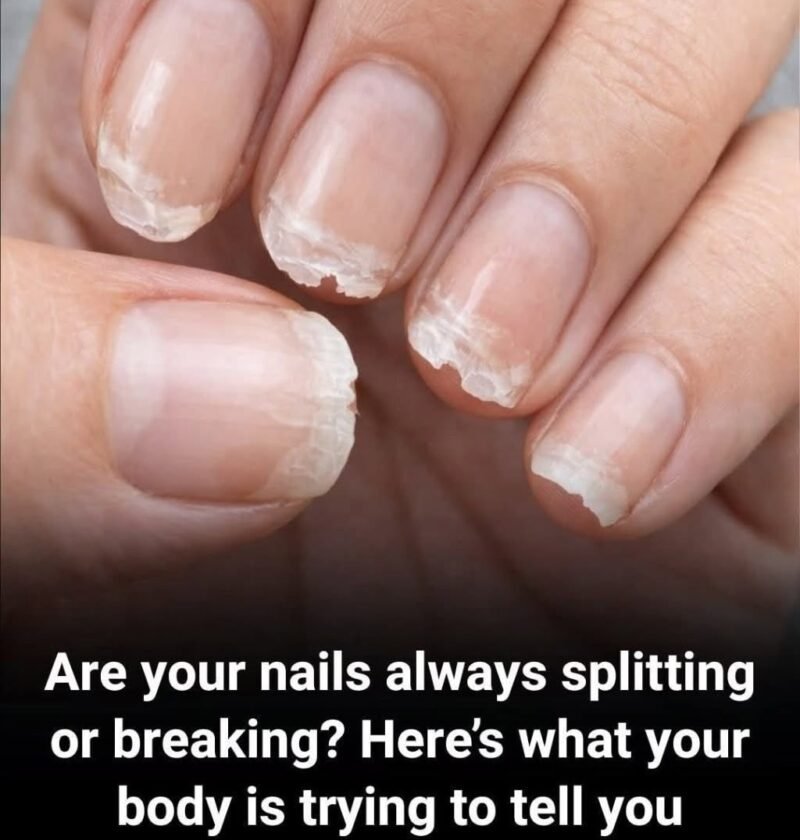
Common Causes Behind Brittle Nails
-
Frequent water and chemical exposure: Repeated handwashing, dishwashing without gloves, household cleaners, and frequent acetone nail-polish removers strip natural oils and weaken keratin layers in the nail plate.
-
Dry air and cold weather: Low humidity pulls moisture out of nails, making them stiff and prone to snapping or peeling along the free edge.
-
Using nails as tools: Opening tabs, scraping labels, or typing aggressively with long nails creates micro-splits that widen over time.
-
Nutritional factors: Low iron stores (iron deficiency) can contribute to brittle or spoon-shaped nails. Biotin supplementation sometimes helps thick, firm nails in people with brittle nails, though broad claims often outpace strong clinical proof.
-
Thyroid or systemic health shifts: An underactive thyroid () or overactive thyroid can slow nail growth and change nail texture alongside symptoms like fatigue, weight shifts, or cold/heat intolerance.
Practical Ways to Protect and Strengthen Nails
-
Wear gloves for wet or messy chores: Put on rubber or nitrile gloves when washing dishes, cleaning, or gardening.
-
Moisturize nails and cuticles daily: Rub thick hand cream, plain petroleum jelly, or cuticle oil onto the nail plate, cuticle, and surrounding skin—especially after washing hands or before bed.
-
Keep nails trimmed and filed smoothly: File in one direction with a fine file rather than sawing back and forth, and avoid harsh gel or acrylic removals that thin the nail surface.
-
Give harsh polish and removers a break: Limit acetone-based removers and let bare nails recover between manicures.