Itchy Scalp: What Are the Possible Causes? Answers From a Dermatologist
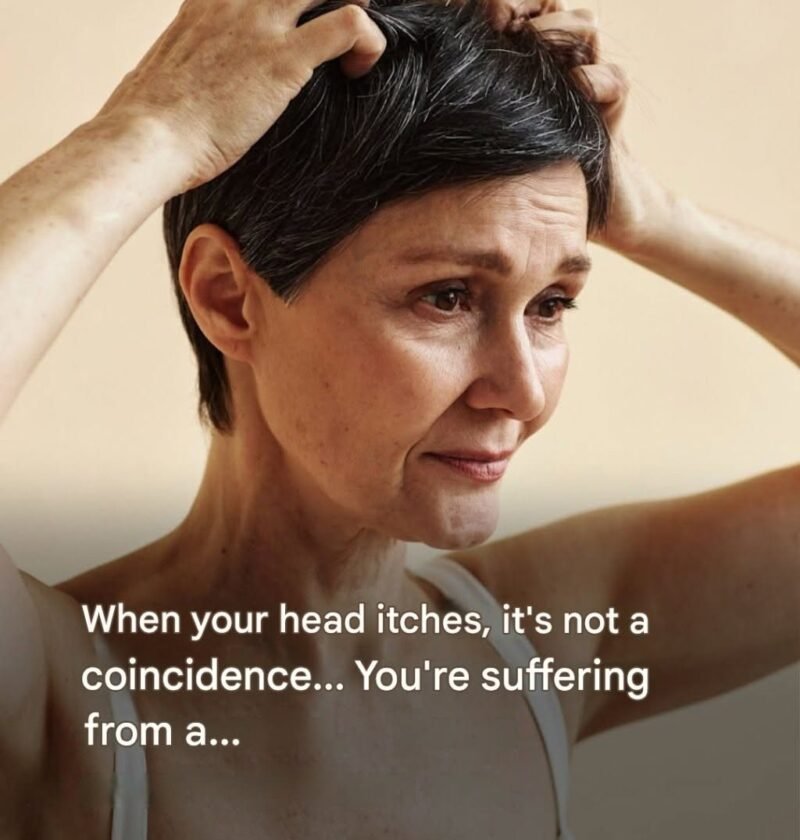
An itchy scalp is common, but dandruff isn’t the only possible cause. The right treatment depends on what’s actually triggering the itching.
1. Dandruff or Seborrheic Dermatitis
This is one of the most common causes. You may notice flaking, itching, and sometimes greasy or yellowish scales, particularly around the scalp, eyebrows, ears, or sides of the nose.
Medicated shampoos containing ingredients such as ketoconazole, selenium sulfide, or zinc pyrithione may help, depending on the cause.
2. Dry Scalp
Cold weather, low humidity, frequent washing, or harsh hair products can leave the scalp dry and itchy.
Try a gentle, fragrance-free shampoo and avoid very hot water.
3. Contact Dermatitis
A new shampoo, conditioner, hair dye, fragrance, or styling product can trigger an allergic or irritant reaction.
If itching began soon after using a new product, stop using it and see whether the symptoms improve.
4. Psoriasis
Scalp psoriasis can cause thick, well-defined patches with silvery-white scales. It can extend beyond the hairline and may also affect the elbows, knees, or nails.
It often requires specific treatment from a healthcare professional.
5. Head Lice
Persistent itching, particularly behind the ears and at the back of the neck, can occur with head lice. Look closely for live lice or firmly attached nits.
Lice can affect anyone and are not a sign of poor hygiene.
6. Fungal Infection
Scalp ringworm (tinea capitis) can cause scaling, itching, broken hairs, or patches of hair loss. It is more common in children but can occur in adults.
It usually requires medical treatment rather than simply using an over-the-counter dandruff shampoo.
7. Folliculitis
Inflamed hair follicles can produce itchy or tender bumps, sometimes containing pus. It can have several causes and may need treatment depending on the underlying problem.
8. Nerve-Related Itching
Sometimes the scalp feels itchy, burning, or unusually sensitive even when there is little or no visible rash. Nerve irritation can occasionally be involved.
When Should You See a Dermatologist?
Get medical advice if the itching is severe, persistent, causing sores or bleeding, accompanied by significant hair loss, or not improving with appropriate basic care.