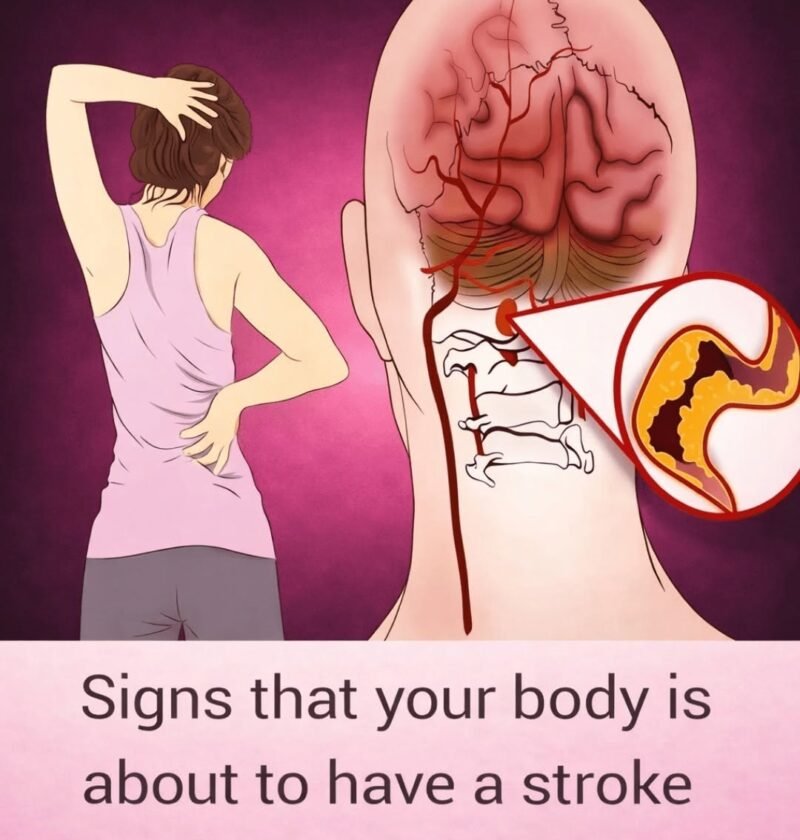
A stroke is a medical emergency where blood flow to part of the brain is interrupted or reduced, depriving brain tissue of oxygen. Recognizing the warning signs early and calling emergency services immediately can save lives and prevent permanent disability, as clot-busting treatments work best within the first few hours.
The 10 Early Warning Signs of a Stroke
-
Sudden Numbness or Weakness on One Side: Tingling, drooping, or a sudden loss of strength in the face, arm, or leg—especially when confined to one side of the body.
-
Facial Drooping: One side of the face may droop or feel numb, producing an uneven or lopsided smile when the person tries to smile.
-
Arm Drift or Weakness: Inability to raise both arms evenly; one arm may feel heavy, weak, or drift downward involuntarily.
-
Sudden Confusion or Trouble Understanding: Difficulty following a basic conversation, sudden disorientation, or failing to understand simple words and instructions.
-
Slurred or Garbled Speech: Trouble speaking clearly, slurring words, or struggling to find the right words (aphasia), even when the person knows what they want to say.
-
Sudden Vision Changes: Blurred, blackened, or double vision in one or both eyes, or a sudden partial loss of peripheral vision.
-
Sudden Loss of Balance or Coordination: Unexplained stumbling, clumsiness, or difficulty walking straight without an obvious physical cause.
-
Severe Dizziness or Vertigo: A sudden spinning sensation or lightheadedness, particularly when paired with nausea, weakness, or double vision.
-
Sudden, Severe Headache: An abrupt, intense headache with no known cause—often described as the “worst headache of your life”—which can signal a hemorrhagic stroke (bleeding in the brain).
-
Sudden Difficulty Swallowing or Hiccups: Less common signs (sometimes seen in women or brainstem strokes) include sudden trouble swallowing, abrupt nausea, or persistent, unexplained hiccups alongside other neurological symptoms.
Use the BE FAST Quick Check
If you suspect someone is having a stroke, run through BE FAST right away:
-
B — Balance: Sudden loss of balance or coordination?
-
E — Eyes: Sudden blurred, double, or lost vision?
-
F — Face: Does one side of the face droop when they smile?
-
A — Arms: Does one arm drift downward when both are raised?
-
S — Speech: Is speech slurred, strange, or hard to understand?
-
T — Time: Call emergency services immediately—note the exact time symptoms started.
Important: Do not wait to see if symptoms pass (even brief symptoms can be a TIA, or “mini-stroke,” which carries a high risk of a major stroke soon after), and do not give the person food, water, or aspirin before paramedics arrive, as aspirin can worsen a bleeding stroke.