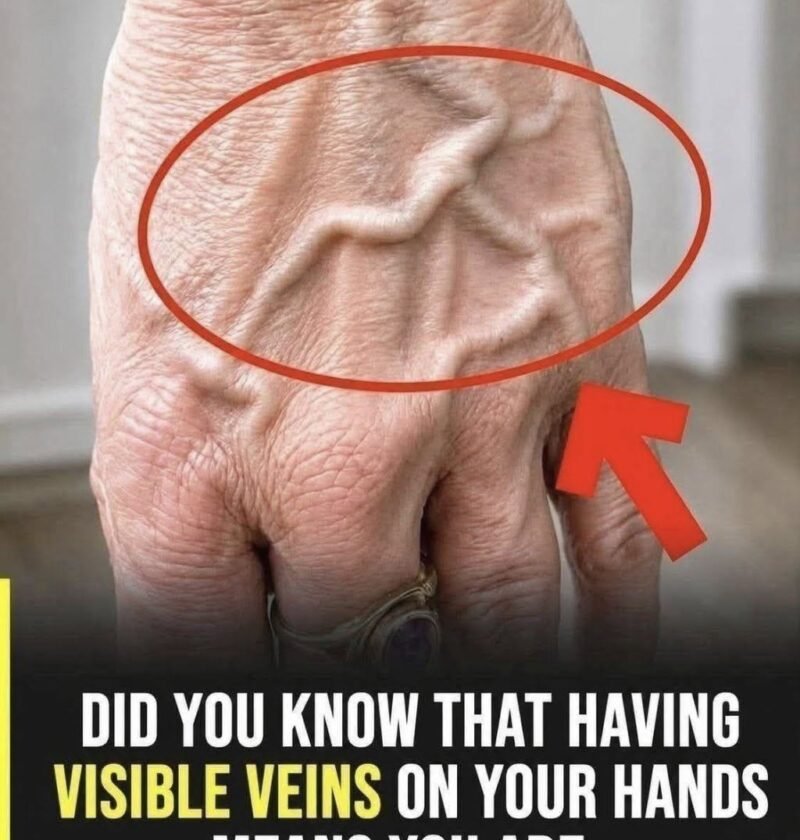
Why Veins Become Visible
-
Body fat & skin thickness: Less subcutaneous fat between the skin and superficial veins makes vessels closer to the surface easier to see. Fairer or thinner skin also lets light show them more clearly.
-
Genetics: Vessel size, branching patterns, and skin traits vary widely from person to person regardless of fitness level.
-
Heat & blood flow: Warm weather, hot showers, or exercise widen blood vessels (vasodilation) and increase blood flow, making veins pop temporarily.
-
Muscle contractions & gravity: Lifting weights, gripping objects, or letting your arms hang down increases pressure and blood pooling in forearm and hand veins.
-
Age & hydration: Over time, skin loses some elasticity and thickness; mild dehydration can also change how skin looks around surface vessels.
What It Actually Means for Health
-
Usually harmless: Having visible veins on your hands, arms, or legs is normal for many healthy people—including lean people who rarely exercise.
-
When to get checked: Sudden bulging, twisting, aching, swelling, warmth, or skin changes—especially in one leg—can point to issues like varicose veins or venous insufficiency and merits a doctor’s look.