Safety Check Before You Reuse Old Plates
-
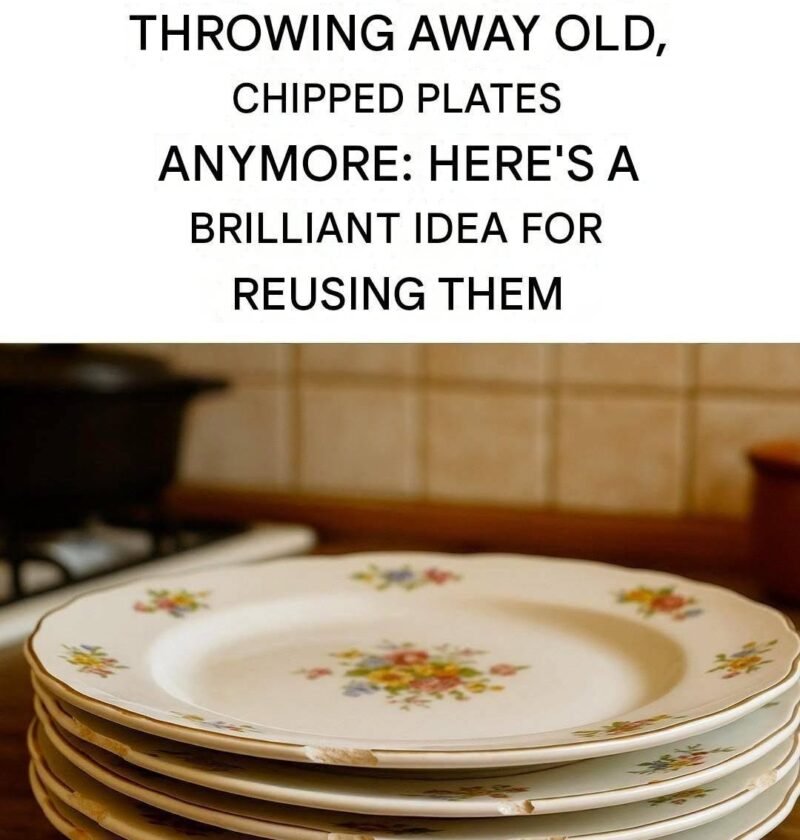
Retire from food use if: A plate has chips, hairline cracks, crazing (spiderweb cracks in the glaze), or peeling metallic trim, or if it is pre-1970s / unlabelled vintage ceramic (which often used lead-based glazes).
-
Keep for food use only if: The glaze is completely intact, uncracked, and marked dishwasher/food-safe—mismatched intact plates actually make great casual dessert, appetizer, or serving platters.
Practical & Attractive Ways to Reuse Old Plates (Non-Food)
| Project Idea | Best Type of Plate | How to Do It Safely & Cleanly |
| 1. Tiered Vanity, Entryway, or Craft Stand | 2–3 mismatched plates in graduated sizes (dinner, salad, saucer). | Drill a center hole using a carbide-tipped glass/tile drill bit under running water (or use no-drill adhesive tiered hardware) to hold jewelry, keys, coins, or sewing supplies. |
| 2. Indoor Plant Drip Trays | Deep dinner plates, soup plates, or saucers. | Place under indoor terracotta or ceramic pots to catch excess watering runoff while adding color to windowsills—add felt pads underneath to protect wood furniture. |
| 3. Gallery Wall Plate Display | Vintage floral, painted, or geometric plates. | Use vinyl-coated spring plate hangers or adhesive disc hangers rated for the plate’s weight (test adhesion for 24 hours before hanging). |
| 4. Garden Border Edging or Stepping Stones | Thick, sturdy ceramic plates (even slightly chipped ones). | Bury plates halfway vertically into soil along flowerbeds for a scalloped border, or press flat plates into wet concrete stepping stones. |
| 5. Mosaic Planter, Birdbath, or Tabletop | Cracked or broken plates with pretty patterns. | Wrap plates in an old towel, tap gently with a hammer while wearing safety goggles and gloves, and set the shards into exterior tile adhesive and grout on a terracotta pot or patio table. |
Two Common Upcycling Mistakes to Avoid
-
Drilling ceramic dry: Drilling without water or masking tape over the drill spot overheats the bit and snaps the plate in half—always apply a piece of painter’s tape where you drill and keep the bit wet.
-
Using tiered vintage stands for acidic or hot foods: Even if converted into a cake stand, avoid placing moist, acidic foods (like lemon tarts or berries) directly on unverified vintage glazes—use a paper doily or parchment liner.