1. “How to Get Rid of Rats Using Vicks VapoRub, a Method That Works!”
-
What goes wrong if you rely on Vicks: Rats reproduce fast and chew wiring, insulation, and food packaging. Waiting on scented ointments gives a small problem time to turn into a full infestation—and Vicks VapoRub is toxic to pets (cats and dogs) if licked off baseboards or cotton balls.
-
What actually eliminates rats:
-
Seal entry points: Rats squeeze through holes as small as a quarter (~2 cm). Plug gaps around pipes, vents, and doors with steel wool/copper mesh sealed with caulk or metal flashing (rats chew right through foam, wood, and plastic).
-
Remove food and water: Store grains, pet food, and trash in tight-lidded metal or thick plastic bins, wipe crumbs, and fix dripping taps.
-
Use snap traps or sealed bait stations safely: Place baited snap traps perpendicular to walls where droppings or rub marks appear—kept strictly away from children and pets.
-
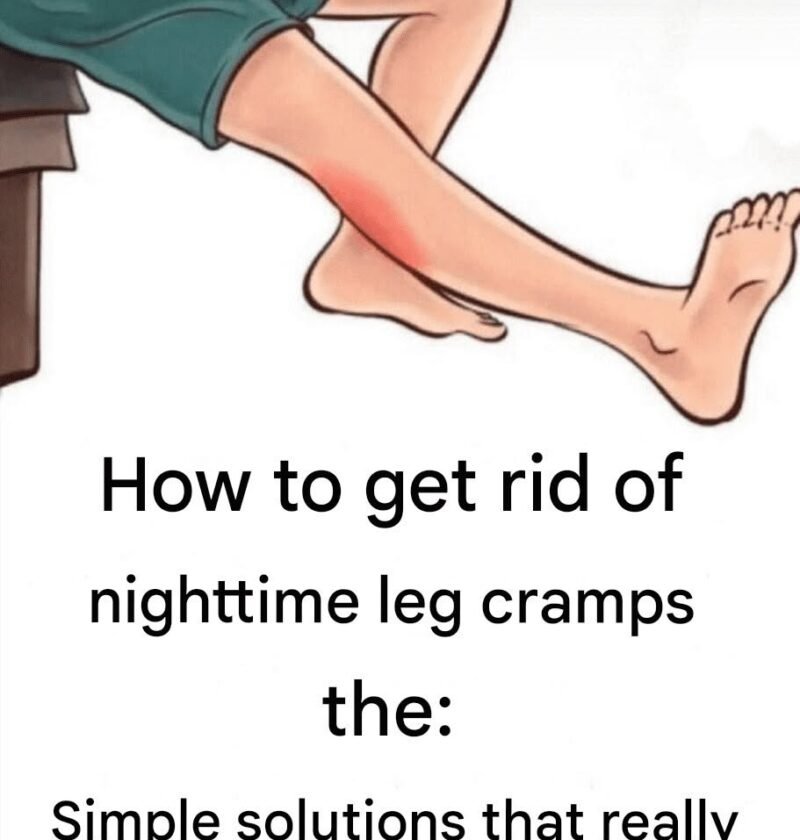
2. “How to Get Rid of Nighttime Leg Cramps: Simple Solutions That Really Work”
What Actually Works (Immediate & Preventive)
| Timing | Action That Works | Why It Works |
| During a Cramp (Immediate Relief) | Pull your toes upward toward your shin (dorsiflexion) or stand up and press your heel flat onto the floor while gently massaging the tight calf. | Lengthening the contracted muscle triggers a spinal reflex (reciprocal inhibition) that forces the cramped muscle fibers to relax. |
| 3 Minutes Before Bed (Prevention) | Wall calf stretch: Stand an arm’s length from a wall, step one foot back with the heel flat and knee straight, and lean forward for 30 seconds per leg (repeat 2–3 times). | Clinical trials show consistent pre-sleep calf stretching significantly cuts nighttime cramp frequency. |
| While Sleeping (Prevention) | Keep blankets loose at the foot of the bed (or use a pillow at the soles of your feet) so your toes are not forced downward all night. | Pointed toes (plantar flexion) keep the calf shortened, making spontaneous spasms much easier to trigger. |
| Daytime Habits | Stay steadily hydrated, wear supportive shoes if standing on hard floors all day, and avoid sudden spikes in heavy leg workouts without cooling down. | Reduces neuromuscular fatigue and localized muscle irritability. |
When to Check With a Doctor Instead of Self-Treating
-
Medication review: Frequent new cramps after starting diuretics (“water pills”), statins, or asthma inhalers deserve a quick medication check.
-
Warning signs to rule out: Seek medical care if cramps occur with leg numbness/tingling, or if calf pain is constant, swollen, warm, or red and does not release after stretching (to rule out a deep vein blood clot).