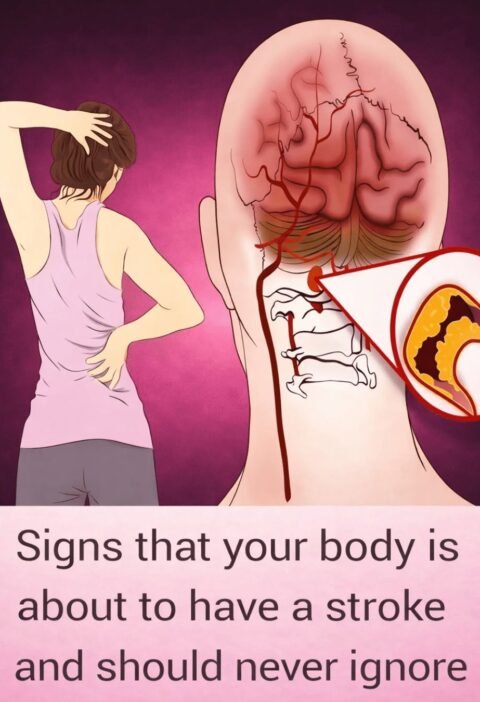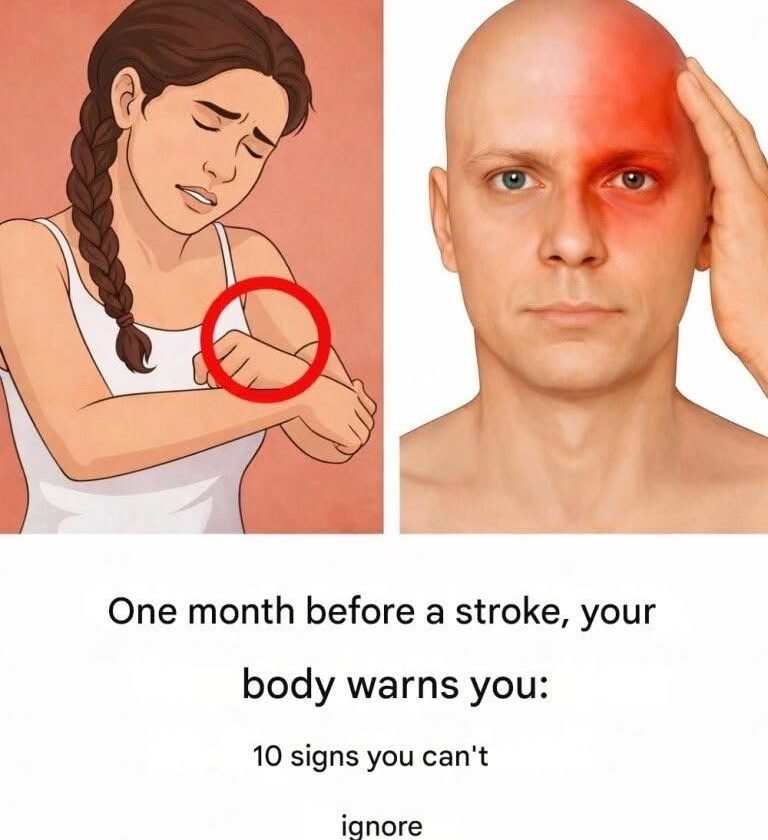
The Core Truth: “Mini-Strokes” (TIAs) vs. Chronic Risk Factors
-
Most strokes happen suddenly without weeks of gradual warning symptoms.
-
The real warning sign is a TIA (Transient Ischemic Attack): A TIA happens when blood flow to part of the brain is temporarily blocked, causing brief stroke-like symptoms that clear up within minutes to a few hours. About 1 in 3 people who have a TIA eventually have a full stroke—and the highest risk is in the first 48 hours to 7 days, not a full month later.
-
Vague symptoms like fatigue, stress, or mild headaches weeks earlier are usually unrelated to an impending stroke, though chronic conditions like uncontrolled high blood pressure or atrial fibrillation quietly raise risk over months and years.
What Viral “10 Signs” Lists Actually Mix Together
| What Clickbait Lists | What It Actually Means Medically |
| 1. Sudden numbness or weakness (face, arm, or leg, especially on one side) | True TIA / Stroke Emergency — requires immediate hospital evaluation even if it fades in 5 minutes. |
| 2. Sudden trouble speaking or understanding speech | True TIA / Stroke Emergency — classic language-center disruption. |
| 3. Sudden vision loss or double vision in one or both eyes | True TIA / Stroke Emergency — blocked blood flow to the retina or visual cortex. |
| 4. Sudden dizziness, loss of balance, or coordination | True TIA / Stroke Emergency (especially if sudden and paired with double vision, slurred speech, or weakness). |
| 5. Sudden, severe “thunderclap” headache with no clear cause | True Medical Emergency — can signal a hemorrhagic (bleeding) stroke or aneurysm. |
| 6. Chronic high blood pressure | Long-term risk factor — the #1 modifiable driver of stroke, though it rarely causes noticeable symptoms on its own. |
| 7. Irregular heartbeat / fluttering (Atrial Fibrillation) | Long-term risk factor — allows blood clots to form in the heart and travel to the brain; requires medical treatment. |
| 8. Unusual fatigue or daytime sleepiness | Non-specific symptom — far more commonly caused by poor sleep, anemia, thyroid issues, or sleep apnea (which itself raises stroke risk). |
| 9. Neck or shoulder stiffness | Usually musculoskeletal — only concerning if sudden, severe, and paired with dizziness, vision changes, or numbness (possible arterial dissection). |
| 10. Mild brain fog or forgetfulness | Non-specific symptom — usually linked to stress, poor sleep, medications, or vitamin deficiencies rather than an upcoming stroke. |
How to Recognize a Stroke or TIA Immediately: BE FAST
-
B – Balance: Sudden loss of balance, coordination, or severe dizziness
-
E – Eyes: Sudden blurred, double, or lost vision in one or both eyes
-
F – Face: One side of the face droops or feels numb when smiling
-
A – Arms: One arm (or leg) feels weak, numb, or drifts downward when raised
-
S – Speech: Slurred speech, trouble finding words, or difficulty understanding others
-
T – Time: Note the exact time symptoms started and get emergency help right away—clot-busting treatments work best within the first few hours
Proven Steps That Actually Prevent a Stroke
-
Keep blood pressure well controlled (ideally below 130/80 mmHg for most adults, per your doctor’s target)
-
Manage LDL cholesterol and blood sugar (HbA1c)
-
Get evaluated if you notice a racing or irregular heartbeat
-
Stay smoke-free, limit excessive salt and trans fats, and stay physically active