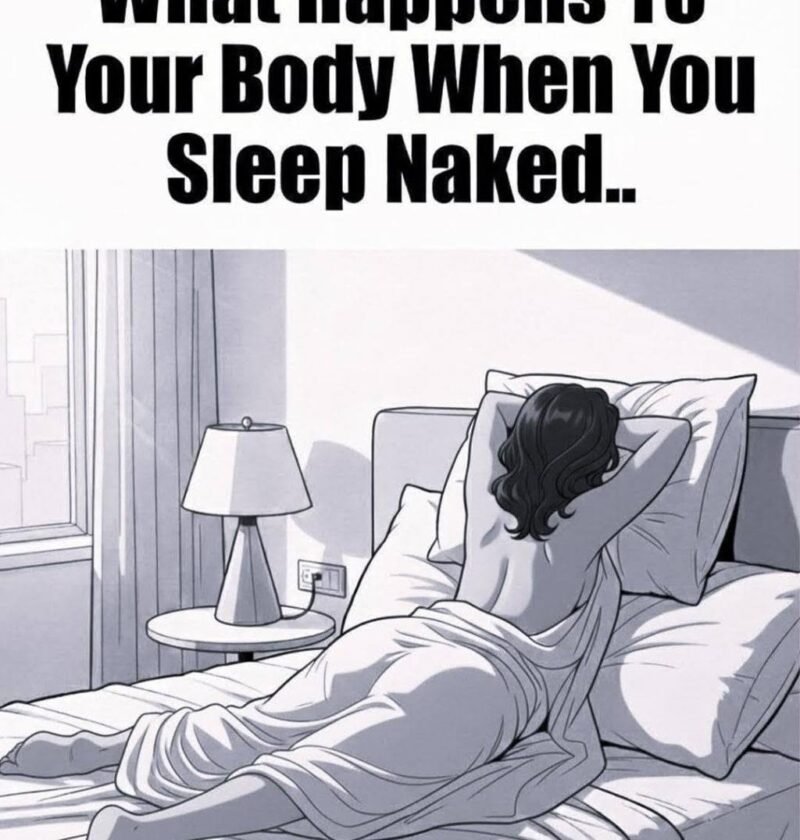
Thermoregulation and Sleep Quality
-
Supports your natural evening temperature drop: Core body temperature naturally declines in the evening as part of your sleep-wake rhythm, helping trigger sleep onset and maintain deeper sleep stages. Removing insulating layers can make heat loss easier if you sleep hot or use heavy bedding.
-
Helps avoid overheating disruptions: Being too warm is a common cause of nighttime tossing, sweating, and fragmented sleep. Conversely, getting too cold also disrupts sleep and forces your body to work to warm up, so comfort and room conditions determine whether going without clothes helps.
Skin, Moisture, and Reproductive Comfort
-
Reduces trapped heat and sweat: Tight, non-breathable sleepwear or underwear can trap warmth and moisture in skin folds or the groin area. Allowing better airflow can help keep skin drier—which is relevant to preventing localized irritation or yeast overgrowth—though loose, breathable fabrics like cotton offer a similar airflow advantage without going completely bare.
-
Avoids extra scrotal warming: Elevated scrotal temperatures can negatively affect sperm production and quality, so avoiding tight, heat-trapping layers overnight may support testicular cooling—though loose underwear already reduces constriction compared with tight briefs.
-
Indirectly supports skin recovery: Deeper, uninterrupted sleep supports overnight physiological repair, while skipping tight or rough seams can reduce mechanical friction on sensitive skin.
Claims That Outrun the Evidence
-
Weight loss and “metabolism boosts”: Cool ambient temperatures can activate brown adipose tissue (brown fat that generates heat), and chronic sleep loss is linked to weight gain in observational research. However, studies examine room temperature and sleep duration rather than proving that sleeping naked causes meaningful fat loss on its own.
-
Relationship bonding: Skin-to-skin touch is linked to stress reduction and oxytocin release in general research, but direct trials have not established specific long-term health gains from sleeping naked with a partner compared with other forms of closeness.
Practical Habits If You Try It
-
Prioritize thermal comfort: Adjust blankets and room temperature so you stay cool enough to sleep comfortably without shivering or waking chilly.
-
Wash sheets regularly: Because skin oils, sweat, and dead skin transfer directly to bedding without a fabric barrier, laundering sheets frequently helps keep your sleep surface clean.
-
Check individual limits: If you feel self-conscious or cold without clothes, or if you have circulation or heart concerns where chilling is risky, comfortable breathable sleepwear is a practical alternative.