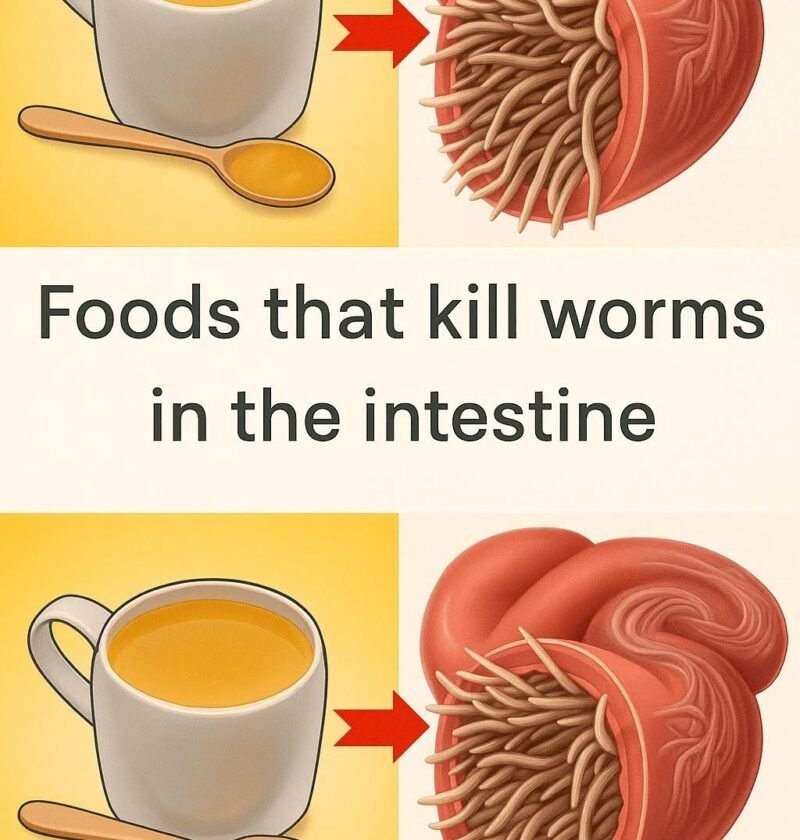
What Those 7 Foods Actually Are—and What Evidence Shows
| Food Often Cited | What Viral Claims Say | Practical Reality & Safety Notes |
| 1. Pumpkin Seeds | “Paralyzes and flushes out intestinal worms.” | Contains cucurbitacin, which shows mild worm-paralyzing effects in some lab/traditional studies, but human clinical evidence is too weak to replace deworming medicine. Nutritious as a regular snack. |
| 2. Papaya & Papaya Seeds | “Dissolves parasites and cleanses the gut.” | Contains digestive enzymes (papain) and compounds like benzyl isothiocyanate studied in small preliminary trials, yet unreliable for curing human worm infections and concentrated seeds can upset the stomach. |
| 3. Raw Garlic | “Natural parasite killer.” | Sulfur compounds (allicin) show antimicrobial/antiparasitic activity in test tubes, but eating garlic does not reliably eradicate intestinal worms and can trigger heartburn or stomach irritation. |
| 4. Pineapple | “Bromelain digests intestinal worms.” | Contains bromelain, a protein-digesting enzyme, which does not eliminate live intestinal parasites in clinical practice. |
| 5. Carrots & High-Fiber Foods | “Scrapes worms out of the digestive tract.” | Dietary fiber supports healthy bowel movements, which helps digestion generally, but fiber does not kill or clear parasitic worms. |
| 6. Cloves, Turmeric, or Ginger | “Destroys parasite eggs and larvae.” | Culinary spices offer antioxidant/anti-inflammatory flavor in food, but do not cure human helminth infections (and concentrated essential oils like clove oil can be toxic if swallowed). |
| 7. Apple Cider Vinegar / Probiotic Yogurt | “Creates an acidic environment worms can’t survive.” | Yogurt supports gut flora generally, and vinegar has no proven ability to clear intestinal worms—stomach acid is already far more acidic than vinegar. |
What Actually Clears and Prevents Intestinal Worms
-
Get Tested & Use Targeted Deworming Medication: Different worms (pinworms, roundworms, hookworms, tapeworms, or protozoal infections like Giardia) require specific medications and dosing schedules—often confirmed by a stool ova-and-parasite exam (or tape test for pinworms) and treated effectively with short courses of targeted antiparasitic drugs.
-
Prevent Reinfection & Spread: Wash hands thoroughly with soap and water after using the bathroom and before eating, keep fingernails trimmed short, wash bedsheets/towels/underwear in hot water during treatment, wash fruits and vegetables thoroughly, drink safe/filtered or boiled water, and cook meat and fish completely.
When to Seek Care
-
Emergency Care (
<1 hour): Call 1122 (in Pakistan) or go to the nearest emergency hospital immediately if symptoms include severe, worsening abdominal pain with persistent vomiting or inability to pass stool/gas (possible bowel obstruction), vomiting blood or black/bloody stools, high fever with confusion or stiff neck, or severe dehydration/fainting. -
Routine Doctor Visit (Within 2–7 Days): Schedule a checkup if you or a family member notice visible worms in stool, persistent itching around the anus (especially at night in children), unexplained weight loss, ongoing diarrhea or abdominal cramping, or fatigue/pallor (possible iron-deficiency anemia from hookworms).