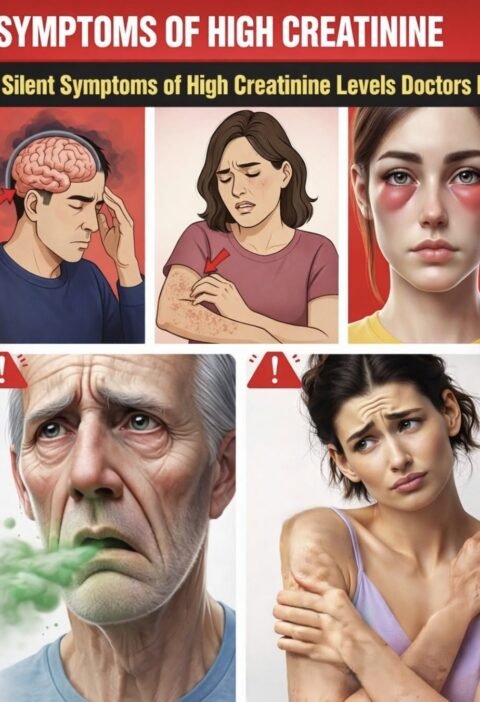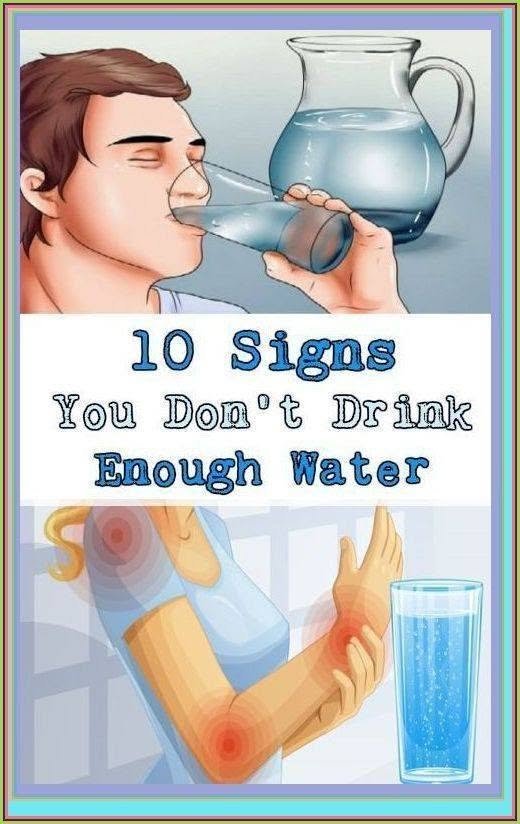
Headlines like “8 SYMPTOMS THAT THE BODY IS NOT GETTING ENOUGH WATER” are everywhere online. While mild dehydration is real and very common, viral health lists often turn normal body fluctuations—like occasional dry skin or feeling tired after a long day—into dramatic warnings of “chronic dehydration.“
In reality, a healthy human body has a remarkably precise fluid-regulation system (driven by the brain’s hypothalamus and the kidneys), and thirst plus urine color remain far more reliable indicators than most viral symptom lists.
The 8 Common Symptoms on Those Lists—And What Science Actually Says
-
Dark Yellow or Strong-Smelling Urine (Reliable Sign):
-
Why it happens: When fluid intake drops, the kidneys release to hold onto water, concentrating waste products into a darker amber color.
-
What to aim for: Pale straw-colored urine usually signals adequate hydration (note that B-vitamins, multivitamins, and foods like beets or asparagus can also change urine color or odor).
-
-
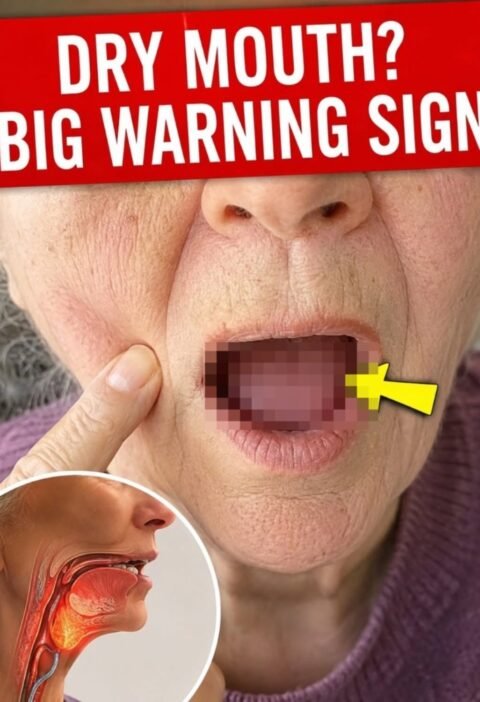
Dry Mouth, Dry Lips, and Reduced Saliva (Reliable Sign):
-
Why it happens: Saliva production slows early when body water dips, leaving the tongue and mouth feeling sticky or dry—often right alongside feeling thirsty.
-
-
Fatigue, Brain Fog, and Trouble Concentrating (Real Even in Mild Dehydration):
-
Why it happens: Losing even 1% to 2% of body water slightly reduces blood volume and increases perceived effort in the brain, causing sluggishness, lower alertness, and irritability.
-
-
Headaches or Lightheadedness When Standing (Common Trigger):
-
Why it happens: Lower fluid volume causes a slight drop in blood pressure when standing up quickly, and mild dehydration can irritate pain-sensitive membranes around the brain or trigger migraines in susceptible people.
-
-
Constipation and Hard Stools (Contributing Factor):
-
Why it happens: The colon absorbs water from digested food to keep blood volume steady; low fluid intake—especially alongside low fiber—makes stools drier and harder to pass.
-
-
Infrequent Urination (Reliable Sign):
-
Why it happens: Most well-hydrated adults urinate roughly every 3 to 4 hours during waking hours; going 6 to 8+ hours without needing the bathroom usually means fluid intake is too low.
-
-
Muscle Cramps During Heat or Exercise (Partially True—Often Electrolytes Too):
-
The nuance: Heavy sweating depletes both water and electrolytes (especially sodium), though neuromuscular fatigue from overworking a muscle is just as common a trigger as fluid loss alone.
-
-
Dry Skin or Premature Wrinkles (Overstated in Clickbait):
-
The reality: Drinking extra glasses of water does not erase wrinkles or cure dry skin on its own—external skin dryness is driven mostly by low humidity, cold air, harsh soaps, and aging skin barrier lipids. Only severe clinical dehydration causes noticeably sunken eyes or poor skin elasticity ().
-
Common Hydration Myths Worth Skipping
-
The Strict “8 Glasses a Day” Rule: Total fluid needs vary by body size, climate, and activity—and roughly 20% to 30% of daily water comes from food (fruits, vegetables, yogurt, soups), while tea and coffee also count toward daily hydration.
-
“If You Feel Thirsty, It’s Already Too Late”: False for healthy adults—thirst kicks in early around 1% to 2% fluid loss, well before dangerous dehydration. However, older adults (65+) often have a blunted thirst reflex and benefit from sipping fluids regularly throughout the day, especially in hot weather.