12 “Silent” Symptoms of High Creatinine You Shouldn’t Ignore
One important correction: high creatinine itself usually doesn’t cause symptoms. Creatinine is primarily a blood-test marker used to assess kidney function. A high result can indicate reduced kidney filtration, but it can also be affected by muscle mass, dehydration, certain medications, and other factors.
When kidney function becomes significantly impaired, symptoms may include:
Unusual fatigue or weakness
Swelling in the ankles, feet, or around the eyes
Changes in urination — such as much more or less urine than usual
Foamy or unusually bubbly urine
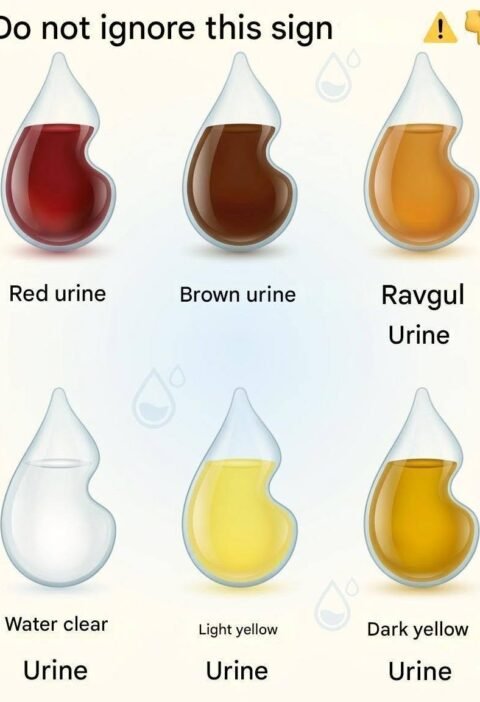
Blood in the urine
Persistent itching
Nausea or loss of appetite
Muscle cramps
Difficulty concentrating or confusion
Shortness of breath
High blood pressure
Sleep problems
Many people with early chronic kidney disease have no symptoms at all. That’s why people at higher risk—such as those with diabetes, high blood pressure, cardiovascular disease, or a family history of kidney disease—may need periodic kidney-function testing.
🩺 Don’t diagnose kidney disease from creatinine alone
Doctors generally interpret creatinine alongside eGFR, urine tests (including albumin), medical history, medications, and sometimes repeat testing. A single elevated creatinine result doesn’t necessarily mean permanent kidney damage.
🚨 Seek urgent medical attention
Severe shortness of breath, confusion, very little or no urine, chest pain, or rapidly worsening swelling can indicate a serious medical problem.
Bottom line: Don’t wait for symptoms to appear to check kidney health. If you’ve been told your creatinine is elevated, ask your healthcare professional what your creatinine, eGFR, and urine albumin results mean and whether repeat testing is needed.