1. Nighttime Soothing & Cough Relief (Strongest Practical Effect)
-
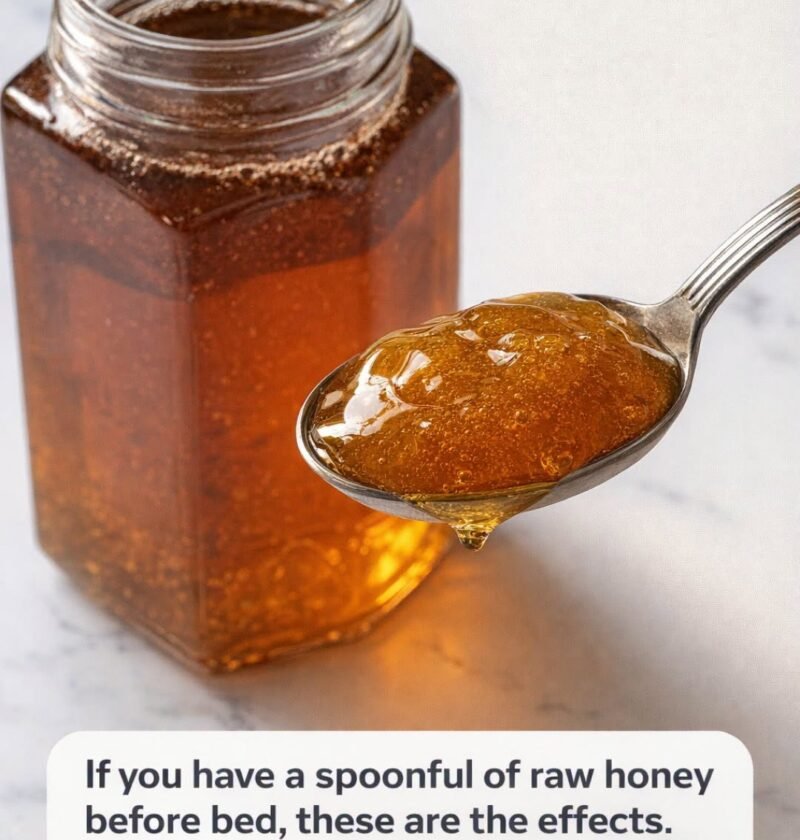
Calms Nighttime Coughs: Honey coats the throat and reduces irritation; clinical studies show it works at least as well as over-the-counter cough suppressants for upper respiratory coughs in children over age 1 and adults.
-
Soothes Scratchy Throats: Its thick texture and mild antimicrobial activity can ease dryness before sleep, especially in dry indoor air or cold weather.
-
Indirect Sleep Help via Comfort: Honey does not directly sedate the brain, though easing a cough or dry throat can help you fall asleep more easily.
2. Metabolic & Blood Sugar Effects
-
Raises Blood Glucose and Insulin: Roughly 80% of honey is sugar (mostly fructose and glucose). One tablespoon adds about 17 grams of sugar and raises blood sugar overnight.
-
Can Trigger Nighttime Blood Sugar Swings: People with diabetes, prediabetes, or reactive hypoglycemia may see elevated fasting morning glucose or late-night dips depending on medications and total evening intake.
-
Adds Evening Calories: An extra 60 calories every night adds up to roughly 420 calories per week—enough to slow weight loss if not offset earlier in the day.
-
Fructose Load on the Liver: Regular nightly sugar intake adds fructose processed by the liver, which can contribute to fatty liver or higher triglycerides if total added sugar stays high.
3. Dental & Digestive Effects
-
Feeds Cavity-Causing Bacteria Before Bed: Saliva flow drops during sleep. Sticky sugars left on teeth without brushing afterward increase cavity and enamel erosion risk.
-
May Trigger Acid Reflux in Some People: Sweet foods or liquids right before lying down can relax the lower esophageal sphincter or worsen nighttime reflux in sensitive individuals.
-
Mild Digestive Fermentation: Fructose and oligosaccharides in honey can cause gas or bloating in people with or irritable bowel syndrome.
-
Retains Natural Pollen and Enzymes: Unlike filtered, pasteurized honey, raw honey keeps trace bee pollen, propolis, and enzymes—which also increase the chance of mild throat tickle or allergy in pollen-sensitive people.
4. Long-Term Antioxidant & Nutritional Reality
-
Supplies Trace Polyphenols and Antioxidants: Dark raw honeys contain flavonoids and phenolic acids that help counter oxidative stress over time, though a single nightly spoonful is a minor contributor compared with fruits and vegetables.
-
Provides Negligible Vitamins and Minerals: Despite viral claims, one tablespoon provides tiny amounts of potassium, iron, or B vitamins—not enough to fix nutritional deficiencies.
-
Lower Glycemic Index Than Table Sugar: Honey often has a slightly lower glycemic index than refined white sugar, yet it still counts as free/added sugar in daily nutrition limits.
5. Safety Rules & Who Should Avoid It
-
Never Give to Infants Under 12 Months: Honey can contain Clostridium botulinum spores, which immature infant guts cannot safely handle, causing infant botulism.
-
Allergy Risk: People with severe pollen or bee-product allergies can react to raw honey with itching, hives, or wheezing.
-
Grayanotoxin Risk in Certain “Mad Honey”: Unregulated raw honey from specific regions (such as parts of the Himalayas or Black Sea coast) can contain grayanotoxins that cause dizziness, low blood pressure, or heart rhythm changes.
-
No Proven Overnight “Fat-Burning” or Hormone Reset: Claims that bedtime honey “burns fat while you sleep” or resets overnight hormones lack solid clinical proof.
-
No Proven Cure for Insomnia or Infections: Honey supports comfort and minor wound care externally, but it does not treat chronic insomnia, asthma, or bacterial infections.
-
Brush After Taking It: If you take a spoonful before bed for a cough, brush your teeth (or rinse thoroughly and brush after waiting 20–30 minutes) and keep daily added sugar within recommended limits.