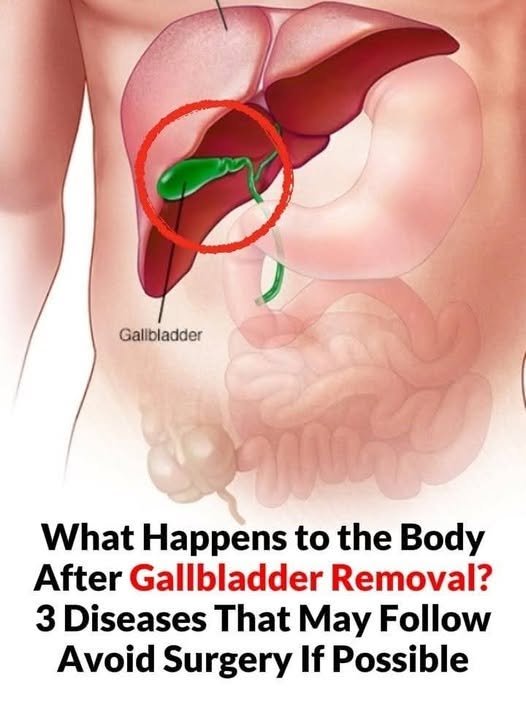
What Your Gallbladder Actually Does
The “3 Conditions” Viral Articles Usually Highlight (and the Reality)
-
Post-Cholecystectomy Diarrhea / Bile Acid Malabsorption (BAM)
-
What it is: Because bile drips continuously into the digestive tract rather than being stored, extra bile acids can reach the colon and irritate it, causing loose, urgent stools—especially after fatty meals.
-
How common & treatable: Occurs in roughly 10–15% of patients early after surgery; for most, it settles within weeks to a few months as the gut adapts. Persistent cases respond well to soluble fiber (like psyllium/ispaghol), smaller lower-fat meals, or prescription bile-acid binders (such as cholestyramine).
-
-
Post-Cholecystectomy Syndrome (PCS) — Lingering Upper Abdominal Pain or Bloating
-
What it is: Roughly 10–20% of people continue to have indigestion, gas, bloating, or upper-right abdominal discomfort after surgery.
-
The catch: In many cases, those symptoms weren’t caused by the gallbladder in the first place—they were actually caused by acid reflux (GERD), gastritis, irritable bowel syndrome (IBS), or occasionally a retained tiny stone in the common bile duct (which can be cleared without another major surgery via ERCP).
-
-
Bile Reflux Gastritis (or Temporary Fat-Digestion Trouble)
-
What it is: Without a storage reservoir, small amounts of bile can occasionally wash backward into the stomach, irritating the stomach lining and causing burning discomfort or nausea, while very large, greasy meals may feel heavy initially.
-
Management: Eating smaller, more frequent meals, limiting deep-fried foods during the first few weeks, and targeted stomach-protecting medications usually control symptoms effectively.
-
Why “Avoid the Surgery When Possible” Can Be Dangerous Advice
-
Acute cholecystitis: Severe gallbladder infection, tissue death (gangrene), or gallbladder perforation.
-
Acute gallstone pancreatitis: A small stone slipping out and blocking the pancreatic duct—a painful, potentially life-threatening hospital emergency.
-
Cholangitis & obstructive jaundice: Infection of the bile ducts requiring urgent endoscopic or surgical intervention.
When Surgery Is Not Needed vs. When It Is
-
Usually NOT needed: Silent gallstones discovered by chance on a routine ultrasound with zero pain or complications.
-
Strongly recommended: Repeated right-upper-belly pain after meals (biliary colic), gallbladder inflammation/infection, gallstone pancreatitis, or large gallbladder polyps (typically >1 cm).