1. Acrylamide in Starchy Foods (If Overcooked or Burned)
-
What it is: Acrylamide is a chemical compound that forms naturally when starchy foods (potatoes, bread, battered foods) are cooked at high heat (above 120°C / 248°F)—whether in an air fryer, conventional oven, toaster, or deep fryer.
-
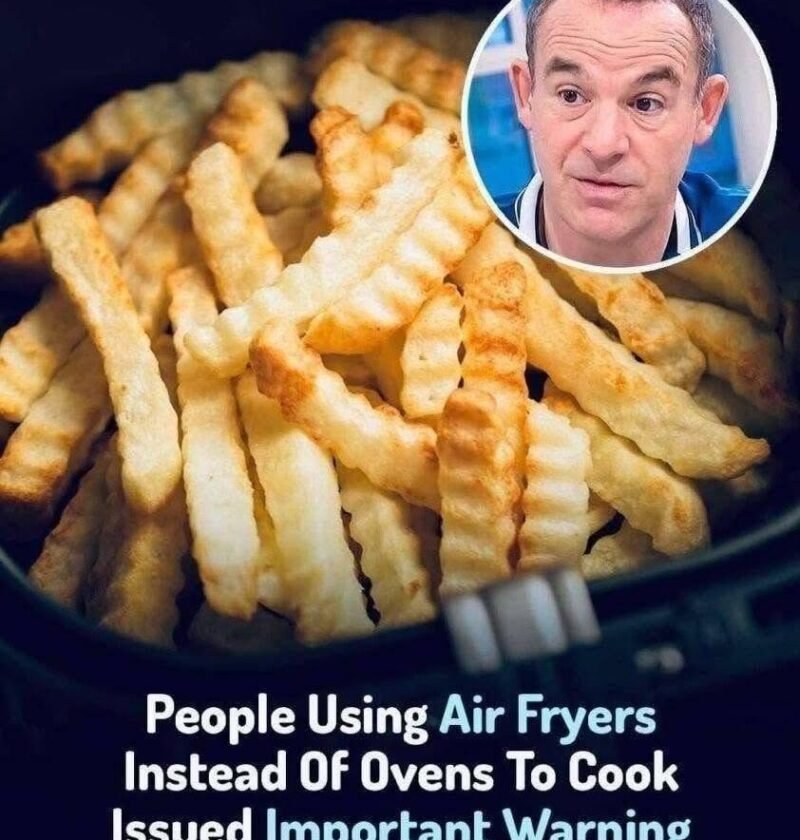
The nuance: Air fryers actually produce significantly less acrylamide than deep-fat frying, though cooking fries or breaded foods until dark brown or burnt in a high-speed air fryer can still raise acrylamide levels.
-
Simple fix: Cook starchy foods to a light golden yellow rather than dark brown, avoid burning edges, and soak cut raw potatoes in water for 15–30 minutes before air-frying.
2. Uneven Cooking & Foodborne Illness Risk (Thick Raw Meats)
-
What it is: Air fryers cook using rapid, high-velocity hot air in a compact basket. While great for small, even pieces, overcrowding the basket or cooking thick raw poultry/meat can brown the outside quickly while leaving the inside undercooked.
-
Simple fix: Never pack the basket tightly (leave room for air circulation), shake or flip halfway through, and use a digital meat thermometer to ensure chicken reaches 74°C (165°F) internally.
3. Nonstick Coating Wear & High-Heat Limits
-
What it is: Many air fryer baskets use nonstick coatings (such as PTFE/Teflon or ceramic). Modern PTFE coatings are regulated and free of PFOA, but scratching the basket with metal utensils or running it empty at maximum heat can degrade the coating faster.
-
Simple fix: Use silicone, wood, or nylon tongs, wash baskets gently with a non-abrasive sponge, and replace a basket if the coating peels or flakes.
4. Practical Limitations Where an Oven Still Wins
-
Batch size & energy efficiency: Air fryers heat up faster and use less electricity for 1–2 servings, but cooking a large family meal in 3–4 consecutive air-fryer batches takes longer and can use more energy than a single oven tray.
-
Dry-heat texture & moisture: High-speed fan air dries out delicate batters, wet doughs, soufflés, and lean roasts faster than a standard oven.