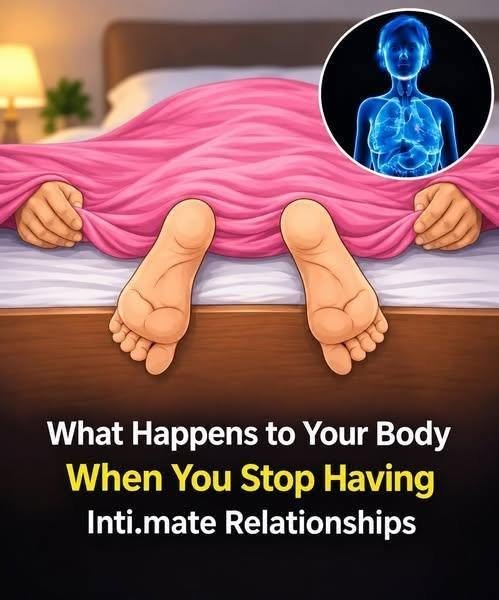
What Actually Happens vs. Viral Clickbait Claims
| Area | Viral Clickbait Claim | Medical & Physiological Reality |
| Libido & Arousal Response | “Your sex drive permanently dies or hormones crash.” | Reversible shifts only: Going a long time without sexual activity can temporarily dampen day-to-day desire for some people (“use it or lose it” inertia), while others feel higher sexual tension—neither permanently alters baseline sex hormones. |
| Vaginal & Pelvic Tissue (Women) | “The vagina permanently closes up or shrinks.” | Myth: The vagina does not seal shut. In postmenopausal women, lower estrogen causes vaginal dryness and thinning (genitourinary syndrome of menopause), and regular blood flow from arousal/penetration can help maintain tissue elasticity—yet local vaginal estrogen or moisturizers treat this effectively at any stage. |
| Erectile & Prostate Health (Men) | “Abstinence causes permanent erectile dysfunction or prostate disease.” | Overstated: Penile tissue stays oxygenated through normal nocturnal erections during REM sleep. Observational studies suggest higher ejaculation frequency is modestly associated with slightly lower prostate cancer risk, though abstinence does not cause acute prostate damage, and unused sperm is simply reabsorbed naturally. |
| Mood, Stress & Sleep | “Stopping sex triggers severe depression or immune collapse.” | Context-dependent: Orgasm and physical intimacy release endorphins and oxytocin that help buffer stress and ease sleep—so missing that outlet can feel frustrating if unwanted, whereas people who choose celibacy or solo self-pleasure experience no medical harm. |
| Pelvic Floor Muscles | “Pelvic muscles weaken dangerously.” | Mild & trainable: Orgasm contracts pelvic-floor muscles, so prolonged inactivity may slightly reduce tone, which simple pelvic-floor (Kegel) exercises easily maintain. |
| STI & Unplanned Pregnancy Risk | Rarely emphasized in fear-based headlines. | Drops to zero while abstinent from partnered sexual contact. |
Practical Notes & When to Seek Care
-
Keep Blood Flow & Pelvic Health Simple: Regular aerobic exercise, pelvic-floor exercises, stress management, and (after menopause) vaginal moisturizers or doctor-prescribed local estrogen keep pelvic tissues healthy regardless of partnered sexual frequency.
-
Routine Doctor Visit (Within 2–7 Days): Schedule a checkup if abstinence is happening because of pain during sex (dyspareunia), persistent erectile difficulty, vaginal dryness/bleeding, pelvic pain, or a sudden drop in libido accompanied by fatigue, mood changes, or medication side effects.
-
Emergency Care (
<1 hour): Call 1122 (in Pakistan) or go to the nearest emergency hospital immediately for sudden severe testicular or lower-abdominal/pelvic pain, heavy vaginal bleeding, or an erection lasting more than 4 hours (priapism).