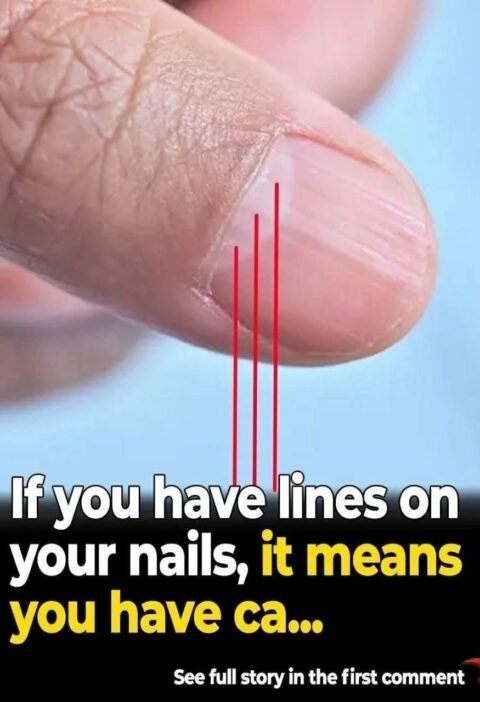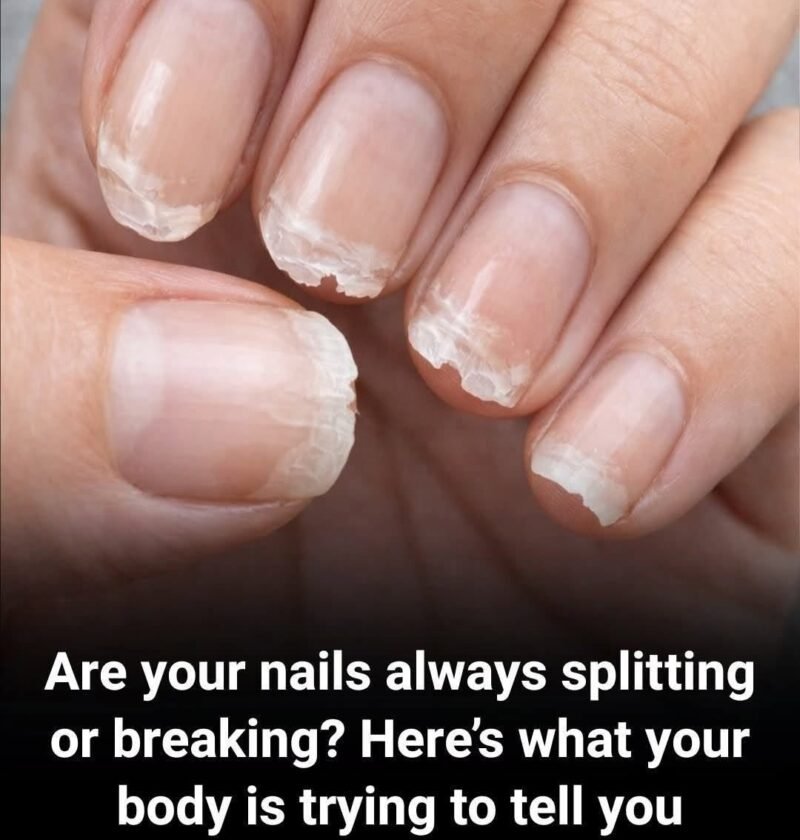
What Weak or Brittle Nails Most Commonly Point To
1. Repeated Wetting, Drying, and Harsh Exposures (Most Common)
-
Frequent water contact: Repeatedly soaking hands in water and letting them air-dry causes the keratin layers in the nail plate to swell and shrink, weakening the bond between layers and leading to peeling.
-
Soaps, dish detergent, and household cleaners: Stripping natural oils from the nail plate and surrounding skin leaves nails dry and prone to snapping.
-
Nail polish removers and salon wear: Acetone removers, frequent gel/acrylic enhancements, or aggressive buffing/filing can thin and dehydrate the nail surface.
-
Dry air and cold weather: Low humidity pulls moisture from nails just like it does from skin, making brittle nails more noticeable in dry or cooler months.
2. Aging and Everyday Wear
-
Over time, nails naturally lose some moisture and grow a little more slowly, becoming thinner, more ridged, or more prone to splitting. Using nails as tools (prying tabs, scraping stickers, opening cans) puts mechanical stress on the free edge.
3. Nutritional Gaps or Underlying Health Factors (Less Common on Their Own)
-
Iron deficiency or anemia: Sometimes linked to brittle nails or spoon-shaped changes—especially if accompanied by fatigue, pale skin, or shortness of breath.
-
Thyroid imbalances (such as hypothyroidism): Can cause dry skin, hair thinning, and brittle or slow-growing nails, typically alongside other symptoms like cold intolerance, weight shifts, or sluggishness.
-
Protein or general nutrient shortfalls: Nails are made mostly of keratin, a tough structural protein, so severely restrictive diets can affect nail strength. (High-dose biotin supplements are popular online, though clear clinical benefit is mostly seen in people who are actually deficient—and high biotin can interfere with certain lab tests.)
Practical Habits to Strengthen and Protect Nails
-
Wear gloves for wet or chemical tasks: Put on rubber or nitrile gloves when washing dishes, cleaning with chemicals, or gardening—and wear cotton gloves underneath if your hands sweat heavily.
-
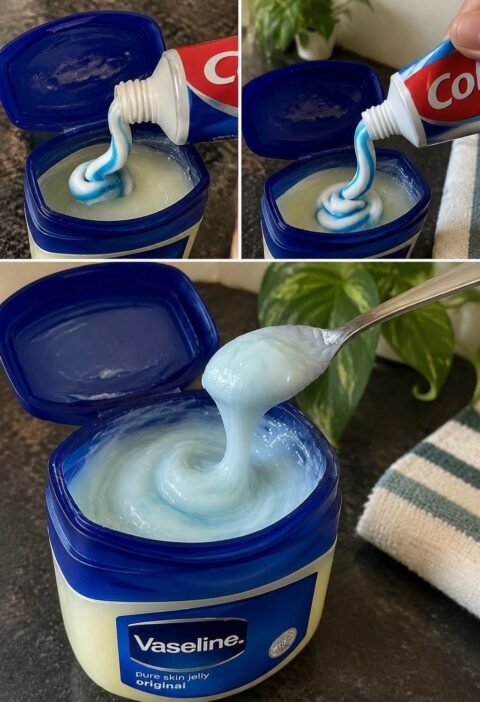
Moisturize nails and cuticles daily: Rub hand cream, cuticle oil, or plain ointment (like petroleum jelly) into your nails, cuticles, and fingertips after handwashing and before bed, especially when nails are slightly damp.
-
Keep nails trimmed and filed gently: Keep them moderately short, file in one direction with a fine file rather than sawing back and forth, and avoid metal tools under the nail or picking at peeling layers.
-
Give nails breaks from harsh polish or enhancements: Limit acetone-heavy removers and give bare nails time to recover between gel, dip, or acrylic sets.
When to check in with a doctor or dermatologist: Have a healthcare professional take a look if brittle nails come with persistent fatigue, dizziness, or other whole-body symptoms, or if you notice discoloration (dark streaks, yellowing, or green/brown tint), thickening, lifting of the nail plate, pain, swelling, or redness around the nail fold—which can point to fungal infections, psoriasis, trauma, or other conditions that need targeted care.