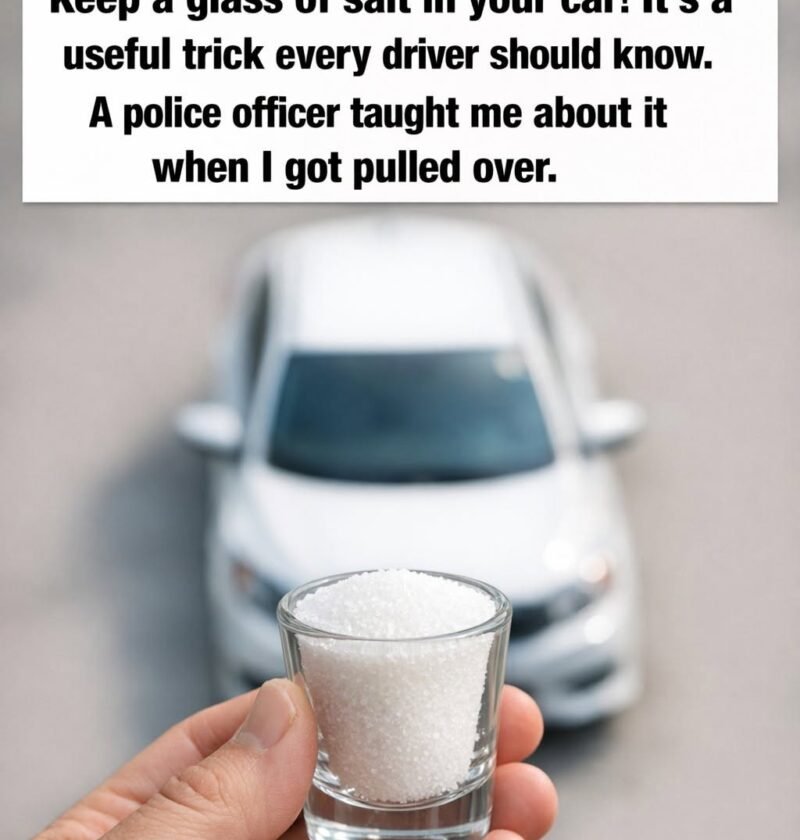
What the Salt Trick Actually Does—and Its Limits
-
Slow, modest moisture pull: A glass of salt absorbs water gradually at the surface. Once the top layer clumps or turns damp, its effectiveness drops off quickly unless stirred or replaced.
-
Not a fast defogger: When you hop into a car with fogged glass, turning on the defroster (ideally with the A/C compressor engaged to dry incoming air, plus heat if needed) clears visibility far faster and more reliably than a cup of salt.
-
Spill and corrosion hazards: An open glass or bowl sitting on a dashboard or seat can tip over around corners or during sudden braking. Spilled salt grains are abrasive on plastics and leather, and moisture-laden salt can encourage corrosion on exposed metal trim or seat tracks if left sitting.
Better Ways to Keep Windows Clear and Cabins Dry
-
Use dedicated car dehumidifier bags or silica gel packs: Reusable moisture-absorbing pouches designed for cars hold more water cleanly without loose granules spilling everywhere.
-
Fix the source of cabin moisture: Check floor mats for trapped rain or spilled drinks, clear leaves/debris from cowl vents near the base of the windshield, and make sure window seals and door gaskets aren’t letting moisture in.
-
Use your climate controls smartly: Running the A/C with defrost helps pull humidity out of the air even when temperatures are cool, and cracking a window slightly for a minute when cabin air feels muggy helps equalize moisture.
-
Keep interior glass clean: A thin film of dust, smoke, or vinyl off-gassing on the inside of the windshield gives fog droplets extra places to cling—wiping it down with an appropriate glass cleaner helps reduce stubborn haze.