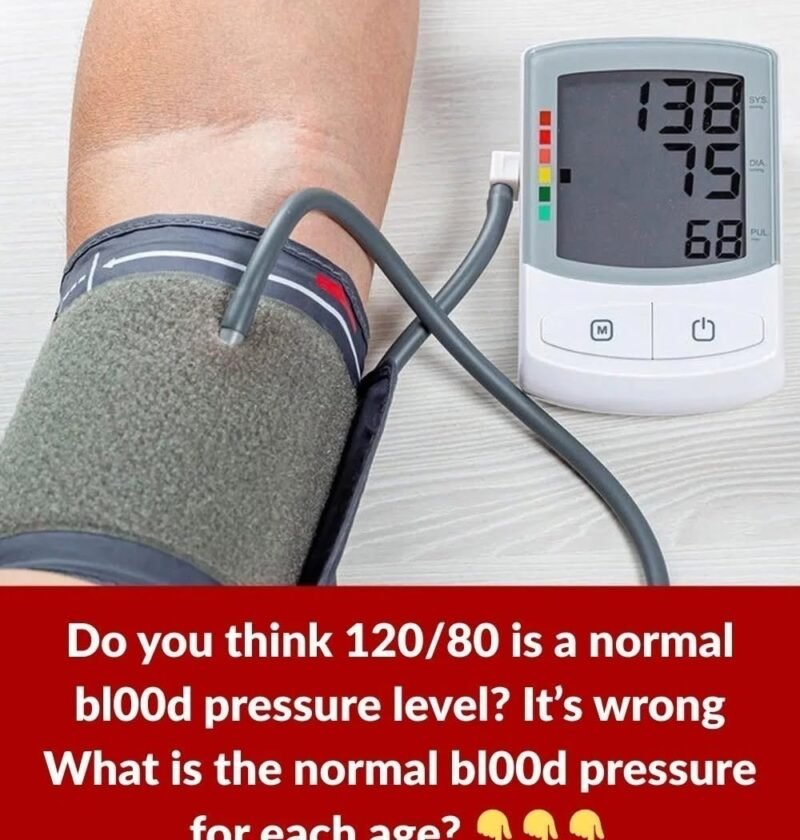
Blood Pressure by Age Group
| Age Group | Typical / Healthy Reference Range | Clinical Context & Notes |
| Infants, Children & Teens (under 13–18) | Varies by age, sex, and height percentile (not a single fixed number) | Pediatricians use growth-adjusted percentiles; normal values gradually climb from infancy into adolescence |
| Adults (18+ years) | Normal: Less than 120 mmHg systolic and less than 80 mmHg diastolic | Elevated: 120–129 systolic with diastolic less than 80. Stage 1 Hypertension: 130–139 systolic or 80–89 diastolic. Stage 2: 140 or higher systolic or 90 or higher diastolic |
| Older Adults (65+ years) | Normal category remains less than 120/80 mmHg, though individual targets vary | Arteries often stiffen with age, raising systolic pressure; doctors tailor targets to avoid dizziness, falls, or low standing blood pressure |
Why “Normal for Your Age” Can Be Misleading
-
“Higher with age” does not mean “harmless”: Systolic blood pressure (the top number) tends to drift upward over the decades as arteries become less elastic, which is why isolated systolic high blood pressure is common later in life—yet higher pressure still increases strain on the heart, brain, kidneys, and blood vessels.
-
Personal targets depend on the whole picture: Someone taking blood-pressure medication (such as amlodipine), living with diabetes or kidney disease, or experiencing dizziness on standing may have a personalized target set with their doctor rather than chasing an arbitrary number on a chart.
-
One reading is just a snapshot: Blood pressure shifts minute to minute with posture, stress, sleep, pain, caffeine, and cuff size. A diagnosis or treatment change relies on multiple clean readings over time.