Aging brings incredible wisdom and life experience, but it can also introduce subtle shifts in physical awareness, sensory perception, and habits. Because of social politeness or a desire not to cause offense, friends and family often bite their tongues rather than mentioning certain unintentional habits that develop with age.
Here are twelve common, overlooked habits that people frequently notice in older age, along with the gentle reasons why they happen.
1. Wearing Too Much Perfume or Cologne
-
Why it happens: As we age, our sense of smell naturally dulls (olfactory decline). Older adults often spray or apply much more scent than they used to because they simply cannot smell it as strongly as others do.
-
The fix: Ask a trusted family member or friend to give an honest assessment of how much scent is appropriate before heading out.
2. Gradual Changes in Personal Hygiene and Body Odor
-
Why it happens: Changes in skin oil production, reduced mobility that makes thorough bathing more difficult, and the natural development of compounds like 2-nonenal on aging skin can alter natural body odor. Additionally, a weaker sense of smell means it’s harder to notice when clothes or living spaces need freshening.
-
The fix: Streamlining bathroom safety aids (like shower chairs) and establishing a gentle daily routine can make complete bathing much easier.
3. Wearing Out-of-Style, Worn, or Mismatched Clothing
-
Why it happens: Vision changes, failing eyesight, or simply losing interest in fashion trends can lead to wearing faded garments, stained items, or mismatched socks without realizing it.
-
The fix: Organizing closets with clear lighting and labeling or grouping outfits by color can help maintain ease of dressing.
4. Overlooking Dental and Breath Hygiene
-
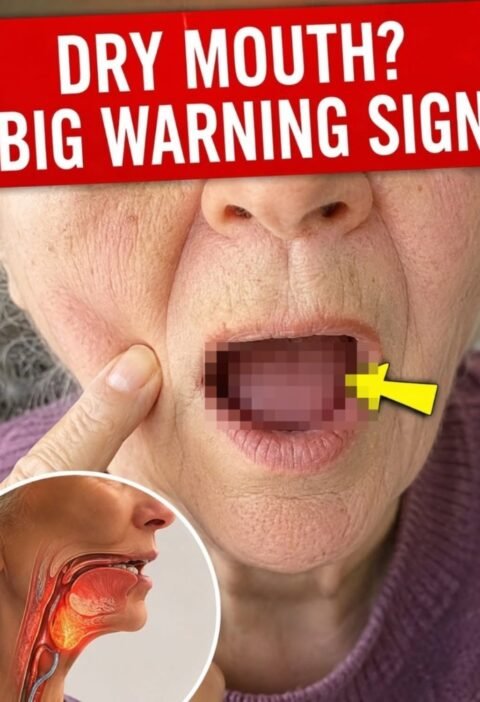
Why it happens: Dry mouth (often caused by common medications or age-related salivary gland changes) significantly reduces the mouth’s ability to wash away bacteria, leading to persistent bad breath. Dentures also require meticulous daily care that can become harder to manage if hand dexterity declines.
-
The fix: Regular dental check-ups, sugar-free lozenges for dry mouth, and diligent denture soaking and cleaning go a long way.
5. Speaking Much Louder Than Necessary
-
Why it happens: High-frequency hearing loss is extremely common in older age. Because people unconsciously monitor their own voice volume based on what they hear, an older adult will often talk in a booming voice, assuming everyone else is hard of hearing too.
-
The fix: Routine hearing tests and properly fitted hearing aids help restore natural self-monitoring.
6. Letting Clutter and Expired Items Accumulate at Home
-
Why it happens: Decluttering takes significant physical stamina, sharp organization, and emotional energy. As energy levels drop or mobility decreases, expired pantry goods, old mail, and household items pile up unnoticed.
-
The fix: Tackling one small drawer or shelf at a time with a visiting relative can make keeping a tidy home manageable.
7. Repetitive Storytelling
-
Why it happens: Working memory changes with age, making it easier to recall vivid stories from decades past than it is to remember what happened yesterday. When favorite memories are deeply ingrained, they get repeated frequently.
-
The fix: Gently prompting older adults with new topics or asking open-ended questions about current events can encourage fresh conversation.
8. Neglecting Ear and Facial Hair Grooming
-
Why it happens: Up-close vision decline in mirrors means stray facial hairs, eyebrow hairs, or ear/nose hair growth can easily go completely unnoticed by the individual, even though they are striking to others.
-
The fix: Using a lighted magnifying mirror or having a family member gently assist with grooming can resolve this quickly.
9. Lack of Digital or Environmental Volume Control
-
Why it happens: Turning the television or radio volume up to maximum levels is a direct compensation for age-related hearing loss, but it can make a home overwhelming for visiting family members.
-
The fix: Using wireless TV headphones or Bluetooth hearing aid streaming devices allows television viewing at a comfortable volume for everyone.
10. Unintentionally Interruping or Over-Sharing Personal Details
-
Why it happens: Executive functioning in the brain—which helps filter thoughts and regulate social impulses—can soften over time, leading to very direct comments or sharing medical details with casual acquaintances who might feel uncomfortable.
-
The fix: Patient redirection from loved ones helps navigate these social moments smoothly.
11. Stains on Clothing or Dining Habits
-
Why it happens: Slight tremors, weaker hand grip, or decreased sensitivity in the hands can lead to accidental spills or drops during meals, leaving spots on clothing that the person didn’t feel or see happen.
-
The fix: Using adaptive dining aids, wearing a stylish napkin guard, or simply checking clothing after meals can help.
12. Accumulating Food Scraps or Leftovers Too Long
-
Why it happens: A declining sense of smell makes it difficult to detect when leftovers in the refrigerator have spoiled, leading to the assumption that food is still fresh long past its safe window.
-
The fix: Having a weekly fridge clean-out ritual with a family member helps keep things safe and fresh.
💡 A Gentle ApproachIf you or someone you love are noticing these small habits creeping in, the key is approach them with empathy, patience, and dignity. Most of these behaviors stem from natural sensory changes rather than a lack of care.
Have you noticed any of these subtle shifts in yourself or a loved one, or are you looking for practical tips on how to talk about sensitive aging topics with family?