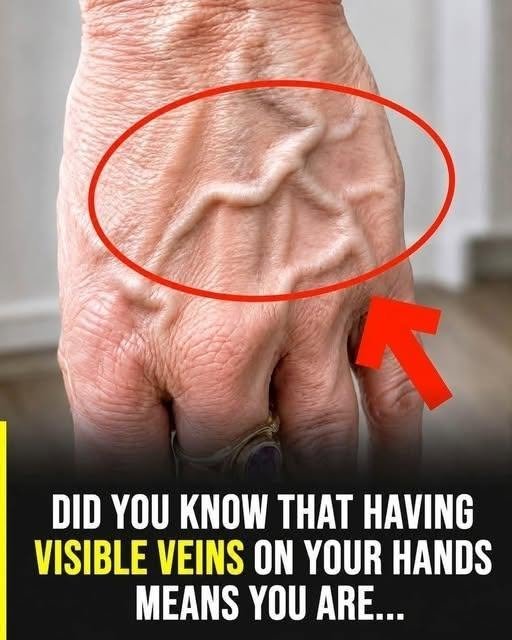
What Visible Veins Usually Mean (and What They Don’t)
-
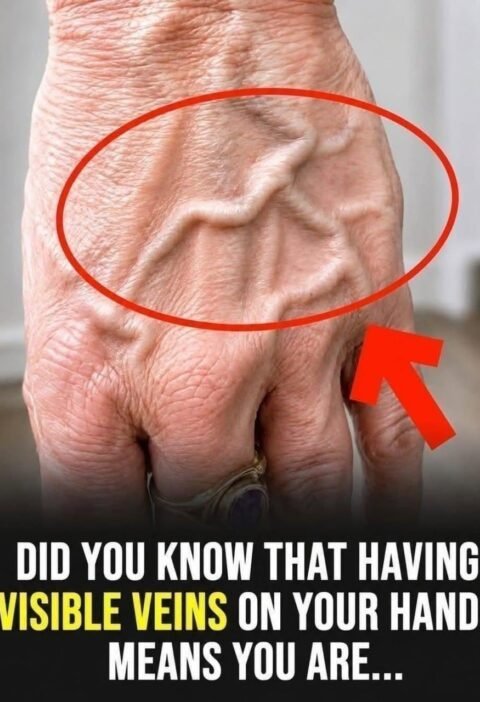
Lower subcutaneous fat or thinner skin: Less fat between the skin and superficial vessels (such as the cephalic or basilic veins shown in the arm diagram above) makes them easier to see. Fairer skin tones and age-related skin thinning can also increase visibility.
-
Temporary blood flow and pressure shifts: Warm weather, exercise, holding weights, or simply having your hands hang below heart level widens veins (venodilation) and pushes more blood through them.
-
Genetics: Vein size, depth, and how easily they show run in families—some people naturally have prominent veins even at higher body fat percentages or without lifting weights.
-
Hydration myth: Being well-hydrated keeps blood volume normal, whereas mild dehydration can sometimes make veins look flatter or less prominent, not magically “more visible.” Visible veins alone do not prove you are optimally hydrated.
When Visible Veins Warrant a Closer Look
| Feature | Usually Normal / Benign | Worth Checking With a Clinician |
| Appearance | Smooth, flat, or mildly raised lines that appear with warmth, exercise, or arm position | Twisted, rope-like, or bulging veins (often on the legs, such as varicose veins or spider veins on a vein diagram) |
| Symptoms | Painless, no skin changes | Aching, heaviness, throbbing, leg swelling, or skin darkening/rash near the vein |
| Onset | Gradual or temporary after activity/heat | Sudden swelling, warmth, tenderness, or redness in one limb |