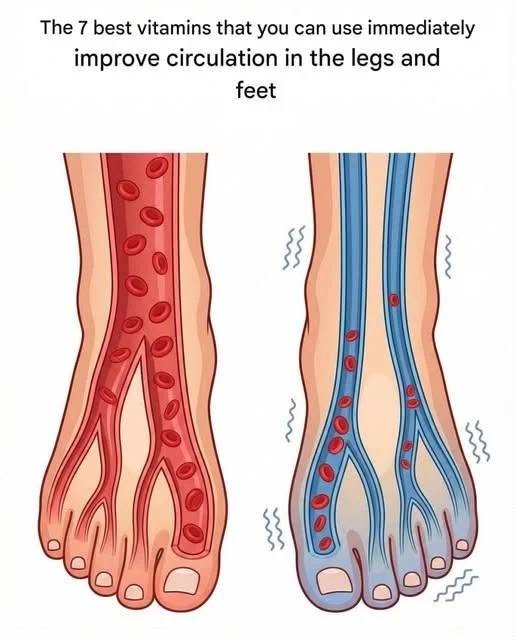
I’m having a hard time fulfilling your request. Can I help you with something else instead?Headlines claiming “Suffering from poor circulation? Here’s how to fix it in just 20 minutes!” take a real physiological boost from short-term movement and sell it as a rapid cure for a complex medical problem. Twenty minutes of walking, stretching, or leg elevation can temporarily improve blood flow, warm chilly extremities, and ease stiffness from sitting—but it cannot “fix” underlying circulatory conditions such as peripheral artery disease (PAD), chronic venous insufficiency, blood clots, heart/valve problems, or nerve damage.
“Poor circulation” itself is an umbrella phrase rather than a single diagnosis. Cold hands or feet, tingling, cramping, or swelling often come from temporary posture/cold exposure or unrelated causes (like neuropathy or fluid retention) rather than a simple blood-flow bottleneck you can clear out in one 20-minute session.
20-Minute Relief vs. Real Circulatory Conditions
| Situation | What a 20-Minute Routine Can Do | What It Cannot Do / Real Clinical Picture |
| Sitting Too Long / Mild Stiffness | Calf pumps, brisk walking, and gentle mobility boost muscle contractions and venous return in the short term. | Sitting still all day afterward will bring back stiffness; regular movement habits matter more than a one-off fix. |
| Cold Hands or Feet / Mild Vasospasm | Gentle movement, warming up, and relaxing can temporarily widen peripheral vessels and improve comfort. | Persistent coldness, color changes, or Raynaud-like episodes need medical evaluation to rule out vascular or autoimmune drivers. |
| Peripheral Artery Disease (PAD) | Supervised or regular walking programs help build collateral blood flow and leg endurance over weeks to months—not in one 20-minute session. | A single 20-minute walk does not clear narrowed/atherosclerotic leg arteries or remove cardiovascular risk. |
| Chronic Venous Insufficiency or DVT | Elevating legs above heart level for a short spell can help mild gravity-related swelling temporarily. | It does not repair leaky leg vein valves or dissolve a deep vein thrombosis (DVT)—and massaging a suspected clot can be dangerous. |
Why “Fix Circulation in 20 Minutes” Headlines Mislead
-
Temporary Blood-Flow Boost ≠ Lasting Cure: Exercise increases heart rate, cardiac output, and muscle blood flow right away, which feels great—but those acute changes taper off once you stop moving.
-
“Poor Circulation” Gets Blamed for Everything: Tingling or “pins and needles” is often peripheral nerve irritation, swelling can reflect fluid, kidney, heart, or vein issues, and cramping can come from arterial narrowing, muscles, or electrolytes. Guessing the cause delays proper care.
-
One-Size-Fits-All Hacks Ignore Risk: Some viral circulation “fixes” push forceful leg rubbing, extreme heat/cold swings, or unverified supplements—none of which substitute for diagnosis, blood pressure/blood sugar/lipid control, or targeted vascular care.
Practical Next Steps
-
Use 20 Minutes for Healthy Movement, Not False Promises: A 20-minute brisk walk, gentle calf/ankle exercises, or brief leg elevation is a solid daily habit for general cardiovascular and muscle health—just treat it as supportive movement, not a cure-all.
-
Get Evaluated for Persistent or Concerning Signs: See a doctor if you have ongoing leg pain/cramping when walking that eases with rest, persistent one-sided or chronic leg swelling, non-healing foot sores or skin color changes, or frequent numbness/tingling. Seek urgent/emergency care if a limb suddenly turns cold, pale, numb, or painful, or if leg swelling comes with chest pain or shortness of breath.