Yes, stale bread is generally safe to eat, provided there is no mold growing on it.
Stale bread often gets confused with spoiled bread, but the two are entirely different processes. Understanding the science behind staling helps you know what’s safe to eat and when it’s time to throw a loaf out.
Why Bread Becomes Stale (The Science)
Staling is not caused by rotting or bacterial growth; it is a chemical process called starch retrogradation.
-
When bread is freshly baked, the starch molecules are full of trapped moisture, keeping the crumb soft and pliable.
-
As bread cools and sits, the starch molecules (amylose and amylopectin) naturally begin to crystallize and push water out.
-
The result: The moisture moves out of the starch structure and toward the crust (or evaporates into the air), leaving the bread dry, hard, and leathery—not unsafe, just unpalatable.
The Big Exception: Mold
While the dryness of staleness won’t hurt you, mold is a different story.
-
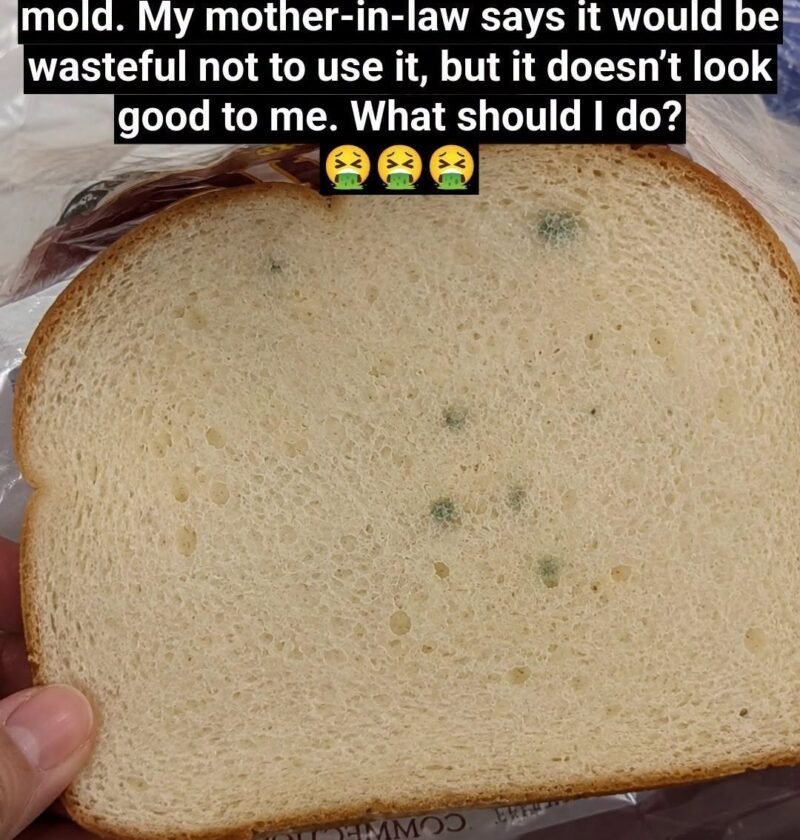
Mold thrives in moisture, so if a loaf of bread starts growing mold (green, white, black, or fuzzy spots), do not eat it.
-
Can you cut the moldy part off? Unlike hard cheeses or dense root vegetables, bread is porous. Once mold is visible on the surface, its microscopic root threads (mycelium) have usually penetrated deep into the loaf, along with invisible mycotoxins. Eating moldy bread can cause allergic reactions or digestive upset.
How to Revive Stale Bread (Make It Soft Again)
Because stale bread is just dehydrated starch, you can easily reverse the process using heat and moisture:
-
The Water Trick: Run the whole crust of the stale loaf quickly under a cold tap (just enough to dampen the crust, not soak the bread).
-
Bake It: Place it directly into a preheated oven at 350°F (175°C) for about 5 to 10 minutes. The heat drives the moisture back into the center of the bread, gelatinizing the starches and making it taste remarkably fresh and crisp.
Great Uses for Stale Bread
If reviving it in the oven isn’t your style, stale bread is actually preferred for certain recipes because it absorbs liquids much better without turning to mush:
-
French Toast: Dry bread soaks up the egg custard evenly.
-
Croutons or Breadcrumbs: Cube it, toss with olive oil and spices, and bake until crunchy.
-
Panzanella Salad: Tossed with tomatoes, cucumbers, and a vinaigrette, stale bread absorbs the juices and flavors brilliantly.