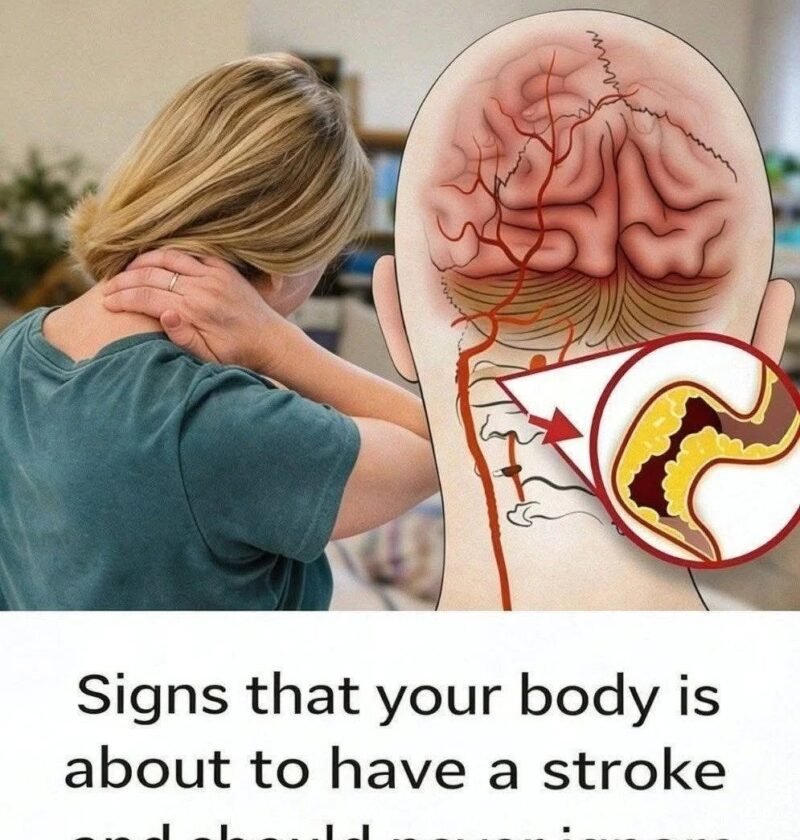
Recognizing the early warning signs of a stroke and acting immediately is critical. When a stroke occurs, every minute matters—rapid medical treatment can drastically reduce brain damage and dramatically improve recovery outcomes.
To remember the most common signs, medical professionals use the acronym FAST, alongside several other key warning symptoms.
The FAST Acronym: The Most Common Signs
-
F – Face Drooping: Does one side of the face droop, or is it numb? Ask the person to smile to check for an uneven expression.
-
A – Arm Weakness: Is one arm weak or numb? Ask the person to raise both arms. Does one drift downward or fail to rise equally?
-
S – Speech Difficulty: Is speech slurred? Are they unable to speak, or hard to understand? Ask them to repeat a simple sentence (e.g., “The sky is blue”).
-
T – Time to Call 911: If the person shows any of these symptoms—even if the symptoms go away—call emergency services immediately and note the exact time the symptoms first appeared.
10 Comprehensive Warning Signs of a Stroke
Beyond facial drooping and arm weakness, strokes can manifest in several other sudden ways depending on which part of the brain is affected:
-
Sudden Numbness or Weakness: Especially on one side of the body—affecting the face, arm, or leg.
-
Sudden Confusion: Trouble speaking, sudden difficulty understanding speech, or disorientation.
-
Sudden Trouble Seeing in One or Both Eyes: Blurred vision, double vision, or a sudden loss of vision in one eye.
-
Sudden Trouble Walking: Sudden loss of balance, unsteadiness, dizziness, or a feeling of spinning (vertigo).
-
Sudden Severe Headache: A blinding, “worst headache of your life” with no known cause, often associated with a hemorrhagic (bleeding) stroke.
-
Sudden Dizziness or Loss of Coordination: Feeling lightheaded or uncoordinated, particularly when paired with weakness or vision changes.
-
Sudden Difficulty Swallowing: A sudden inability to swallow saliva or liquids properly, leading to choking or drooling.
-
Sudden Memory Loss or Disorientation: A abrupt inability to recognize familiar people, places, or objects.
-
Sudden Personality or Mood Shifts: Uncharacteristic irritability, agitation, or confusion without an obvious trigger.
-
Sudden Nausea or Vomiting: Unexplained vomiting or sudden sickness, particularly when accompanied by dizziness and severe headache.
What to Do in an Emergency
-
Do Not Wait: Never wait to see if symptoms improve on their own (“wait and see” can be fatal or lead to permanent disability).
-
Call Emergency Services Immediately: Dial your local emergency number (like 911) right away. Paramedics can begin life-saving care on the way to the hospital and alert the stroke team in advance.
-
Note the Time: Write down or remember the exact time the person was last seen acting completely normal. This information determines whether clot-busting medications or surgical interventions can be safely administered.