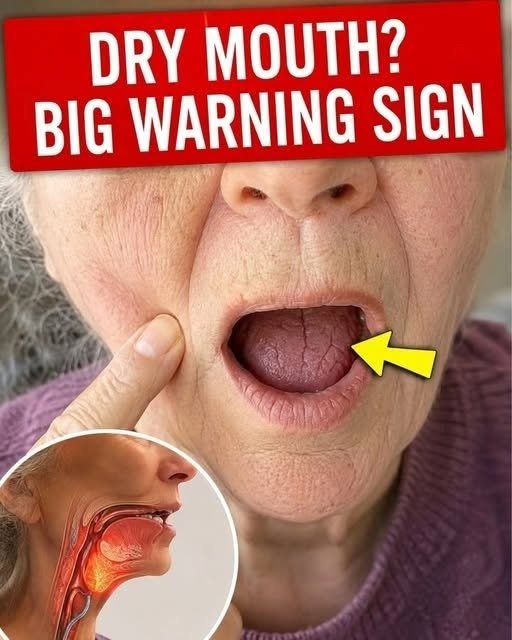
While chronic dry mouth (xerostomia) becomes significantly more common as people get older, it is not an inevitable consequence of aging. It is a sign that your salivary glands are slowing down, malfunctioning, or being directly interrupted.
Saliva is far more than just moisture—it is a protective fluid containing enzymes, minerals (like calcium and phosphate to remineralize tooth enamel), and antibodies that fight off bacteria. When the flow shuts down, it impacts everything from swallowing and speaking to long-term dental health.
Why Salivary Glands Shut Down
Saliva production doesn’t just stop on its own; it is usually triggered by one of several distinct factors:
-
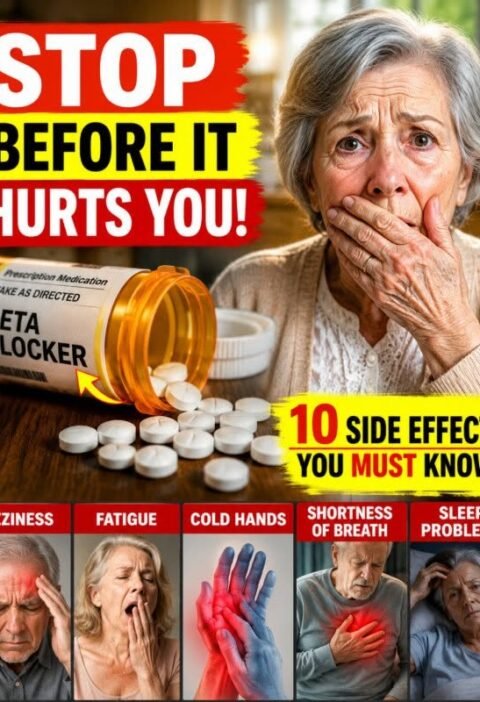
Medications (The #1 Culprit): Over 400 commonly prescribed medications cause dry mouth as a side effect. This includes blood pressure medications (diuretics and beta-blockers), antihistamines, antidepressants, sedatives, and decongestants.
-
Systemic Health Conditions: Autoimmune disorders like Sjögren’s syndrome specifically attack moisture-producing glands. Conditions like diabetes, thyroid disorders, and nerve damage from a stroke can also impair salivary gland function.
-
Dehydration: As noted with vitality and energy, the natural sensation of thirst declines with age, meaning many older adults live in a state of mild, chronic dehydration that directly reduces salivary output.
-
Lifestyle Factors: Mouth breathing (often caused by nasal congestion or sleep apnea) rapidly evaporates the saliva present in the oral cavity. Tobacco use and heavy alcohol consumption also damage and dry out oral tissues.
-
Medical Treatments: Radiation therapy to the head and neck, as well as certain chemotherapy treatments, can temporarily or permanently damage salivary glands.
Protecting Your Teeth and Comfort When Saliva Fails
Because saliva acts as your mouth’s natural defense system against decay and infection, a dry mouth requires active management to prevent rapid cavities and gum issues:
-
Review Your Medications: If you suspect a prescription drug is drying out your mouth, talk to your doctor. Do not stop taking medication, but ask if an alternative drug or adjusted dosage is available.
-
Stimulate Flow Naturally: Chew sugar-free gum or suck on sugar-free hard candies (especially those containing xylitol, which helps protect against cavities) to physically encourage the glands to pump out remaining fluid.
-
Use Artificial Saliva and Moisturizers: Over-the-counter mouthwashes, sprays, and gels specifically formulated for dry mouth can coat tissues and provide long-lasting moisture.
-
Prioritize Hydration: Sip water constantly throughout the day rather than drinking large amounts all at once. Using a bedside humidifier at night can also prevent your mouth from drying out completely while you sleep.