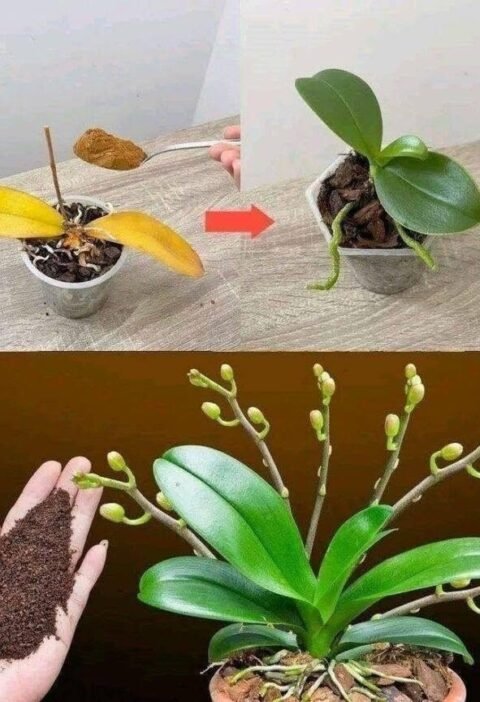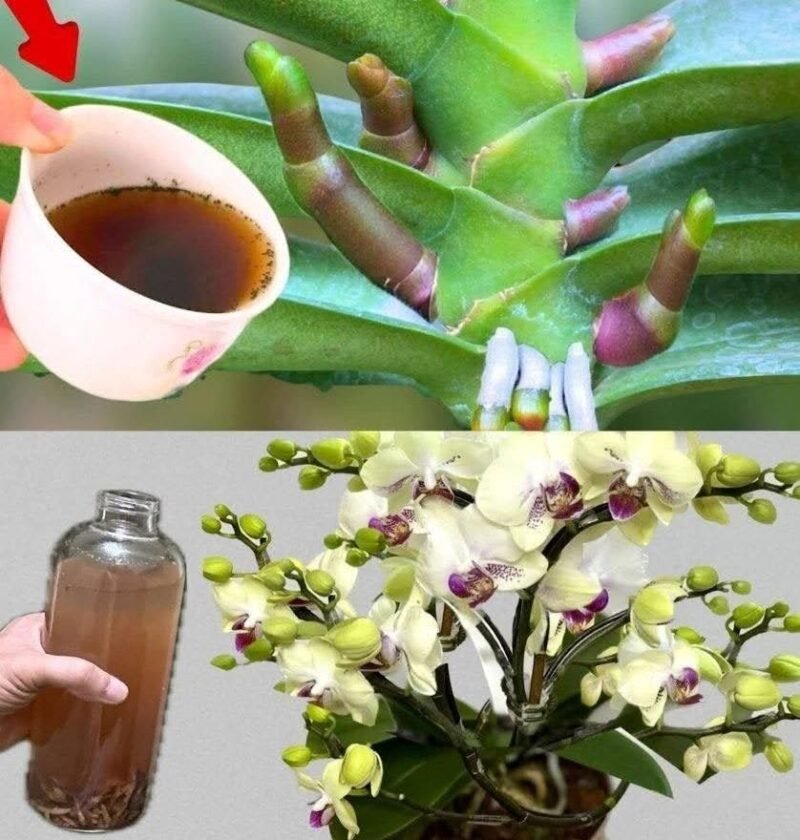
It sounds like you might be referencing a viral social media tip or “plant hack” video! Online plant videos often feature dramatic claims about watering orchids with secret ingredients—such as rice water, garlic water, or diluted tea/coffee—promising miraculous blooms and lush, vibrant growth.
However, if you’re looking at an orchid that is very leafy, there is a very important catch you should know before pouring anything experimental into the pot:
1. The Trap of “Too Much Leafy Growth”
For common indoor orchids (like Phalaenopsis or moth orchids), a plant that is excessively leafy with very few or no flowers is often putting all its energy into growing foliage rather than blooming. This usually happens when the plant gets too much nitrogen (which promotes leaves instead of flowers) or not enough light.
2. What About Those “Magic” Waters?
-
Rice Water: Starch and trace nutrients from rinsed rice can act as a very mild fertilizer, but if left sitting, starches can ferment, invite fungus gnats, and cause root rot.
-
Garlic Water: Often touted as an antifungal or pest deterrent, it must be used very weakly, as strong sulfur compounds can burn delicate orchid roots.
-
The Reality: Orchids don’t actually need complex kitchen concoctions. In nature, they grow on the sides of trees (as epiphytes) and absorb rainwater and diluted nutrients from decaying organic matter.
How to Actually Make Your Orchid Thrive (and Bloom):
Instead of a quick-fix miracle water, focus on the fundamentals that naturally make orchids stunning:
-
The Right Light: If your orchid is strictly growing leaves, it usually needs bright, indirect light (like an east-facing window). More balanced light triggers the shift from leaf-growth to flower spikes.
-
Proper Watering: Never let an orchid sit in standing water. Water thoroughly (usually once a week when the silvery roots turn gray/green) and let it drain completely.
-
Balanced Fertilizer: Use a weak, water-soluble orchid-specific fertilizer (often labeled something like a balanced or bloom-booster formula) once a month during its growing season, rather than random kitchen liquids.
Were you thinking of a specific recipe or video you saw online? Let me know what ingredient you had in mind, and we can look at whether it’s safe for your plant!