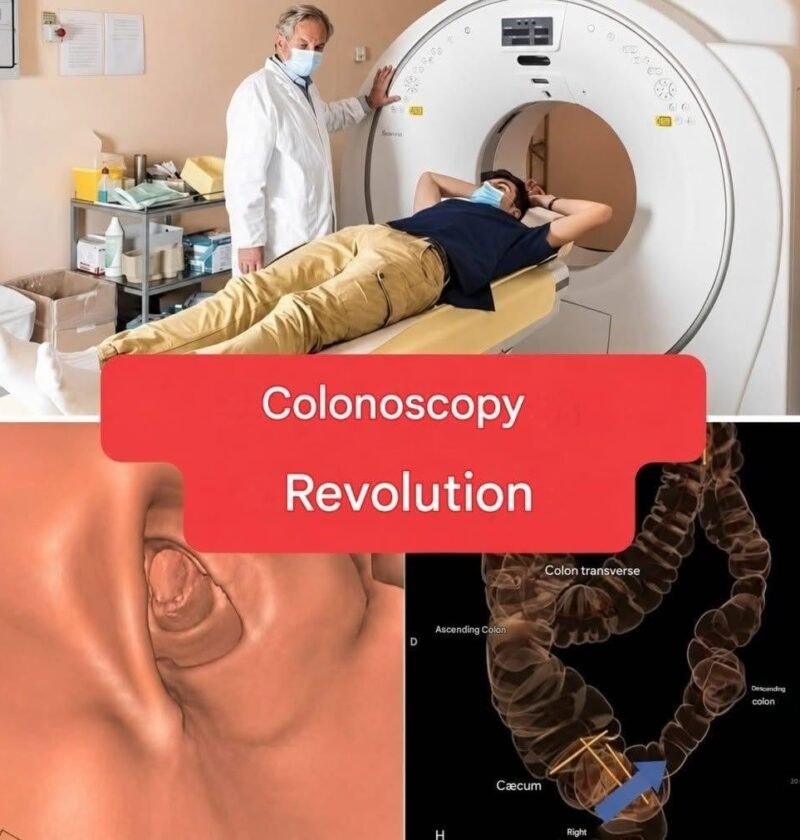
The headline “New method: colonoscopy will no longer be an invasive examination” is misleading if it suggests that colonoscopy itself has become non-invasive. Colonoscopy is still an invasive procedure using a flexible camera inserted through the rectum.
However, there are newer and less-invasive alternatives for colorectal-cancer screening:
- 🧪 Stool tests: FIT and newer stool DNA/RNA tests can be collected at home. If the result is abnormal, a colonoscopy is still generally needed. (CDC)
- 💉 Blood-based tests: The American Cancer Society’s 2026 guideline now includes blood-based screening as an option, but it is not preferred because it is less effective at detecting precancerous lesions and early-stage cancer. A positive result requires follow-up colonoscopy. (American Cancer Society MediaRoom)
- 🖥️ CT colonography (“virtual colonoscopy”): This creates images of the colon without inserting a camera through the entire colon. It still requires bowel preparation, and an abnormal finding generally means a conventional colonoscopy is needed. (CDC)
So has colonoscopy been replaced?
No. Colonoscopy remains an important and highly effective screening and diagnostic procedure because doctors can see the entire colon and remove many polyps during the same examination. (CDC)
For average-risk adults, current U.S. recommendations generally start colorectal-cancer screening at age 45. The best test depends on your age, risk factors, symptoms, previous screening, and personal preferences. (American Cancer Society)
Important: If someone has symptoms such as rectal bleeding, unexplained weight loss, persistent changes in bowel habits, or iron-deficiency anemia, that’s different from routine screening—an at-home screening test may not be an adequate substitute for diagnostic evaluation.