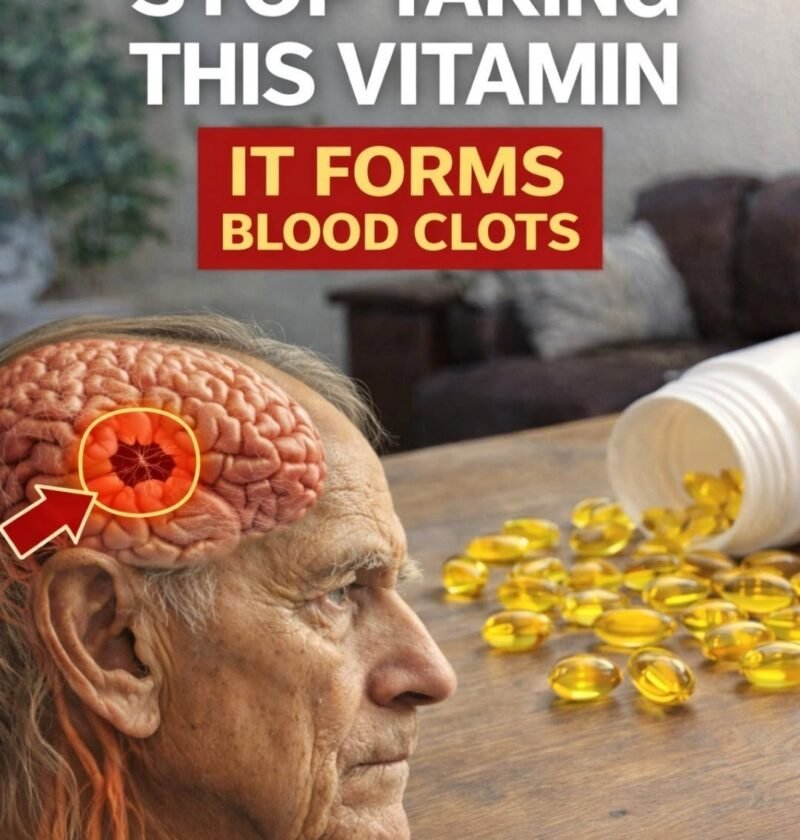
As a neurologist, nothing catches my attention faster than new findings surrounding everyday supplements in older adults. While we often focus on vitamins that protect the heart or boost immunity, there is one widespread supplement that has recently raised significant red flags among stroke specialists: high-dose Vitamin E.
While Vitamin E is widely celebrated as an antioxidant powerhouse, high doses can quietly increase stroke risks for seniors—particularly a specific and dangerous type known as hemorrhagic stroke (bleeding in the brain).
Here is what happens inside your brain and why seniors need to exercise caution.
Why High-Dose Vitamin E Can Be Risky for the Brain
Vitamin E is a fat-soluble vitamin that plays a vital role in immune function and cellular health. However, problems arise when it is taken in large, mega-dose supplements (typically 400 IU per day or more).
-
The Blood-Thinning Effect: Vitamin E has mild anticoagulant (blood-thinning) properties. In healthy younger adults, this can sometimes be beneficial for heart health. But in aging blood vessels—which may already be fragile, stiffened by plaque, or prone to micro-aneurysms—excess blood thinning can be dangerous.
-
The Hemorrhagic Stroke Danger: When blood fails to clot normally due to excessive Vitamin E, a weakened blood vessel in the brain is far more likely to rupture rather than simply block. This leads to a hemorrhagic stroke, which carries a significantly higher risk of permanent disability or fatality than a standard ischemic (clot-based) stroke.
-
The Dangerous Cocktail (Blood Thinners): This risk skyrockets if a senior is already prescribed common blood-thinning medications like aspirin, warfarin, or newer antiplatelet drugs. Combining prescription thinners with high-dose Vitamin E turns the blood dangerously slow to clot.
What the Clinical Studies Show
Large-scale clinical evaluations, including landmark analyses by the American Heart Association and major neurological journals, have consistently shown that while low-dose Vitamin E from food is safe and healthy, supplemental doses exceeding 400 IU daily offer little cardiovascular benefit and are linked to a measurable increase in hemorrhagic stroke risk, particularly in men and individuals with cardiovascular risk factors.
How to Protect Your Brain Safely
This doesn’t mean you should purge all Vitamin E from your diet—natural, food-based sources are processed safely by your body and do not carry the same concentrated overdose risks as supplements.
-
Get it from food instead: Enjoy vitamin E-rich whole foods like almonds, sunflower seeds, avocados, spinach, and olive oil. These provide safe amounts balanced by nature.
-
Check your multivitamin label: Look closely at your daily multi. Many standard formulas contain reasonable amounts (around 20 to 30 IU), which are generally safe. The danger lies in isolated, high-potency “Vitamin E mega-capsules.”
-
Talk to your doctor before supplementing: If you take aspirin or any blood thinner, always review your supplement cabinet with your physician or neurologist to avoid hidden bleeding risks.