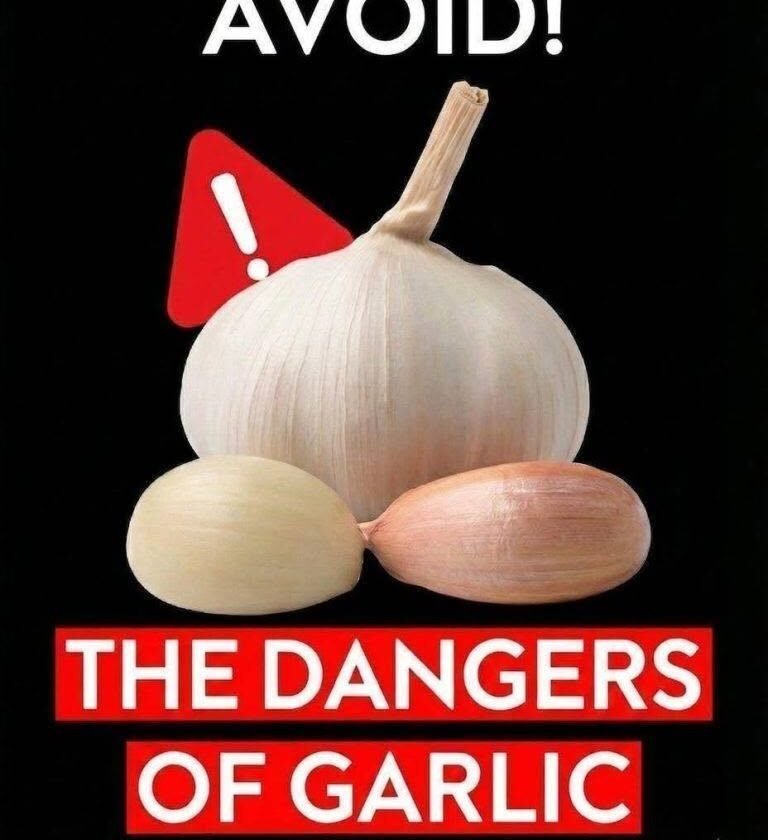
…clickbait health and wellness headlines love to use fear-mongering, absolute hooks like “The 10 fatal mistakes you are making when eating garlic—number 4 could destroy your health!” to make you paranoid about how you prepare a simple kitchen bulb.
While garlic is a potent culinary and medicinal powerhouse, the unvarnished nutritional and medical reality is much more grounded: unless you have a rare allergy, severe gastrointestinal sensitivity, or are taking specific blood-thinning medications, you cannot “fail” at eating garlic.
However, how you prep, cook, and consume garlic does change its chemical potency and how your digestive system handles it. Let’s separate the viral paranoia from the actual science of garlic biochemistry.
The Science of Garlic: How Preparation Changes Its Power
Garlic doesn’t actually contain allicin—the sulfur compound responsible for most of its health benefits—when it is whole. Instead, it contains two separate chemicals: alliin and the enzyme alliinase.
When you chop, crush, or chew raw garlic, these two compounds mix and react, creating allicin. This biochemistry explains why certain prep methods matter:
1. Cooking It Too Quickly (Destroying Allicinase)
-
The mistake: Throwing whole or immediately cooked garlic into a hot pan right after cutting it.
-
The science: High heat deactivates the alliinase enzyme before it has a chance to convert alliin into beneficial allicin.
-
The fix: If you want to maximize garlic’s health properties, crush or chop your garlic and let it rest for 10 minutes before cooking. This resting period allows the allicin formation to peak, making it heat-stable enough to survive cooking.
2. Eating Massive Amounts on an Empty Stomach
-
The mistake: Swallowing raw garlic cloves on an empty stomach to “detox” your body.
-
The science: Raw garlic contains powerful fructans and sulfur compounds that can severely irritate the gastric lining, causing acid reflux, heartburn, bloating, and nausea—especially if you have sensitive digestion or IBS.
-
The fix: Enjoy garlic incorporated into cooked meals or smaller amounts with food rather than raw doses on an empty stomach.
3. Ignoring Medication Interactions (The Real Medical Risk)
-
The mistake: Consuming highly concentrated garlic supplements alongside prescription drugs.
-
The science: While culinary garlic in food is completely safe, heavy medicinal doses or concentrated garlic extracts have mild anticoagulant (blood-thinning) properties. If combined with prescription blood thinners (like warfarin) or aspirin, it can increase your bleeding risk.
The Bottom Line
Stop worrying about making “mistakes” with your cooking. Let your chopped garlic sit for a few minutes before tossing it into the pan to maximize its health benefits, and enjoy it as part of a flavorful, balanced diet.