When a viral cleaning or laundry hack video declares that “You’ve been using your washing machine’s detergent drawer all wrong,” it usually focuses on a very specific, misunderstood feature of modern front-load and top-load washers: the mysterious middle compartment with the little flap or siphon cap.
If you’ve ever stared at your detergent tray wondering why there are three separate slots—or why liquid fabric softener sometimes pools and refuses to drain—you are definitely not alone.
Let’s look at how that drawer is actually engineered to work, stripping away the viral exaggeration.
The Anatomy of the 3-Compartment Drawer
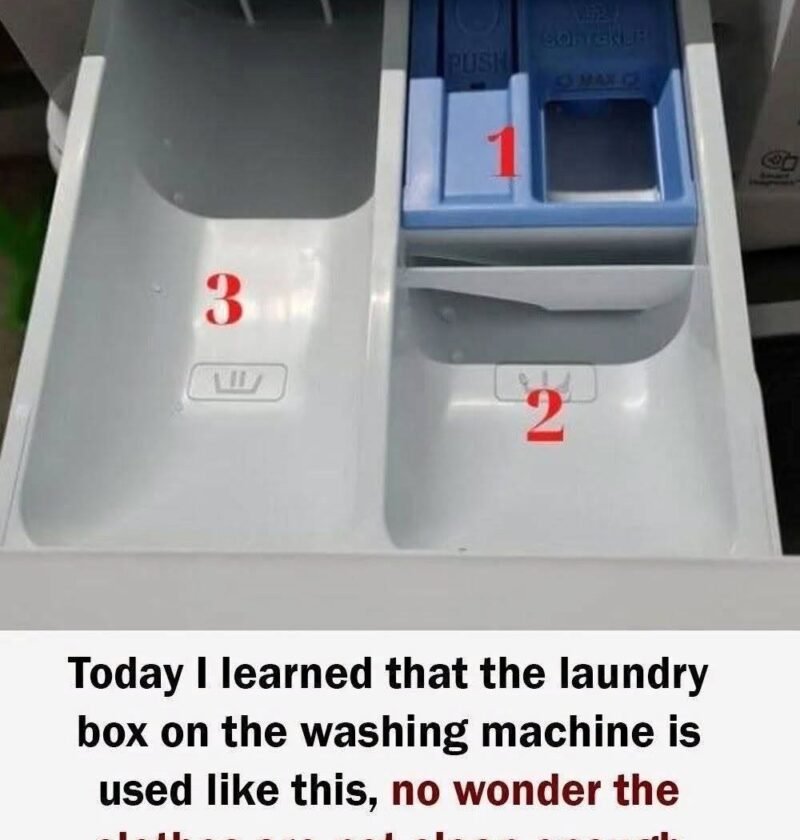
Most modern washing machine drawers are divided into three distinct sections, usually marked with Roman numerals, letters, or icons (like a flower or lines):
-
The Main Wash Compartment (Usually marked II or Main):
-
Its Job: This is the largest compartment. It holds the liquid or powder detergent for your actual wash cycle. Water flushes through this compartment during the main fill phase to drag the soap directly into the drum.
-
-
The Pre-Wash Compartment (Usually marked I or Pre):
-
Its Job: Used only if you are running a heavy-duty cycle that includes a pre-wash stage. Water flushes this section first to soak heavily soiled clothes before the main detergent is released. If you aren’t using a pre-wash cycle, putting detergent here means it gets flushed away too early.
-
-
*The Softener Compartment (Usually marked with a flower icon or ):
-
Its Job: This is the slot where people make the most mistakes. It sits under a small plastic cap or siphon cover. It is specifically engineered to hold liquid fabric softener (or liquid scent boosters) until the final rinse cycle.
-
The Biggest “Wrong” Ways People Use the Drawer
-
Pouring Softener Straight Onto Dry Clothes:
-
Putting fabric softener directly into the drum with your clothes can leave waxy, oily blue or purple stains on fabrics. The dispenser drawer uses a siphon action to dilute the softener with water at the exact right second during the rinse cycle.
-
-
Ignoring the Siphon Cap (The Clog Trap):
-
Over time, sticky residue from liquid detergents and softeners builds up under that little plastic cap in the softener slot. When it clogs, the compartment stops siphoning, fills up with water, and leaks or dilutes prematurely.
-
The Fix: Pull the entire detergent drawer out (most have a little release tab at the back) and rinse it under warm water every month to clear out old buildup.
-
-
Using Powder in the Liquid Slot (or Vice Versa):
-
Many machines include a removable plastic flap or insert in the main wash compartment. If you are using liquid detergent, the flap stays down so the liquid doesn’t leak out before the cycle starts. If you switch to powder detergent, you flip or remove that insert so the powder can sit level and dissolve correctly. Putting liquid detergent in without the insert means it drains straight down the pipe before the machine even starts!
-
The Golden Rule of Laundry Efficiency
You don’t need a viral “secret trick” to get clean clothes—just match your soap to the right compartment, don’t overfill past the max lines, and pull the drawer out occasionally to clean out the mold and residue that naturally accumulates in damp, dark spaces.