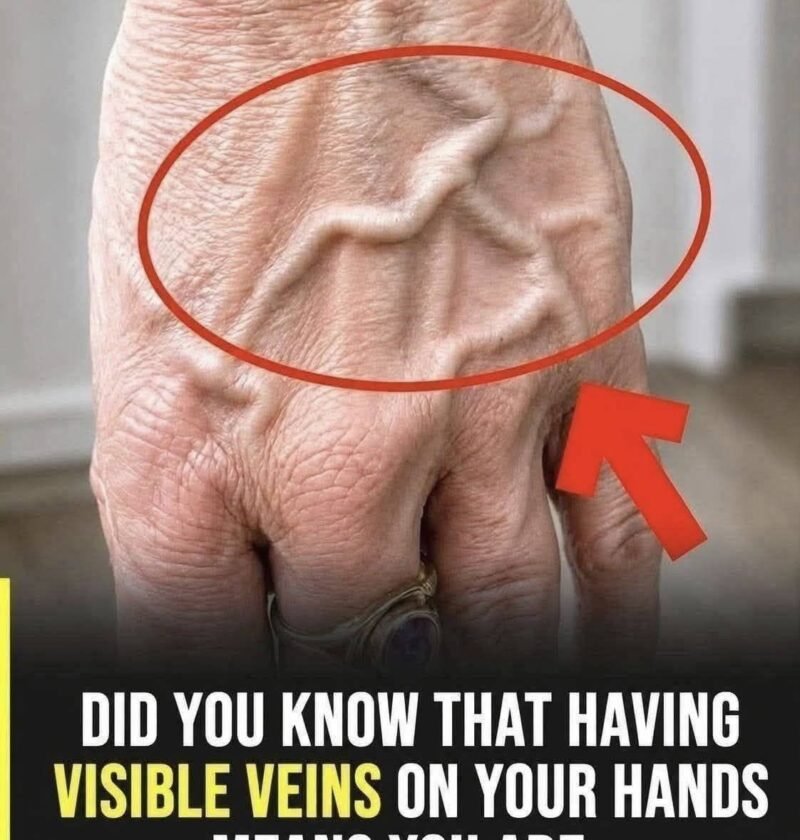
Having visible veins is a very common physical trait that often sparks viral social media claims—ranging from theories about being “super fit” or having high metabolism to myths about toxin buildup or poor circulation.
In reality, how visible your veins are has almost nothing to do with hidden toxins or secret health hacks. Instead, it comes down to a combination of simple biological and anatomical factors:
1. Body Fat Percentage
This is the most common reason veins show prominently. A lower layer of subcutaneous fat (the fat stored right under the skin) means there is less tissue padding between your blood vessels and the surface. When body fat drops, veins naturally become more defined and visible.
2. Skin Thickness and Pigmentation
Everyone is born with different skin characteristics. People with naturally thinner, fairer, or more translucent skin will have their veins show through much more easily than those with thicker or more pigmented skin, regardless of their health or fitness level.
3. Genetics and Anatomy
Your vascular pattern is largely hereditary. Some people simply have veins that sit closer to the skin’s surface, or have larger-diameter superficial veins, making them naturally more prominent on their hands, arms, legs, or chest.
4. Temporary Physiological Triggers
It is completely normal for veins to temporarily bulge or become more noticeable due to everyday physical factors:
-
Exercise: When you work out, your muscles demand more oxygen, causing blood flow to increase and blood vessels to dilate (expand) near the surface.
-
Heat: Warm weather or hot environments cause your blood vessels to expand (vasodilation) to help cool your body down, pushing blood closer to the skin.
-
Hydration and Blood Pressure: High fluid intake or temporary spikes in blood pressure from lifting heavy objects or stress can temporarily make veins more prominent.
When to Pay Attention to Visible Veins
While most visible veins are entirely harmless and normal, certain changes are worth noting:
-
Varicose Veins: If veins in your legs become twisted, bulging, swollen, and accompanied by aching, heaviness, or throbbing, it can indicate chronic venous insufficiency (where the tiny valves inside the veins struggle to push blood back up to the heart).
-
Sudden Changes: If a vein becomes hard, painful, red, or tender to the touch, it could signal superficial phlebitis (inflammation of a vein or a small blood clot).
For the vast majority of people, seeing your veins is just a normal blueprint of your unique anatomy!