When viral cleaning hacks claim everyone has been using their washing machine’s detergent drawer completely wrong, it usually highlights a surprisingly common household habit: dumping all the laundry products into a single compartment or throwing liquid detergent straight into the drum without understanding how the machine was engineered to cycle them.
Using the detergent drawer correctly isn’t just about avoiding gunky buildup—it ensures your clothes actually get clean, your fabrics stay soft, and your machine doesn’t develop mold or mechanical clogs.
Decoding the 3 Compartments in Your Drawer
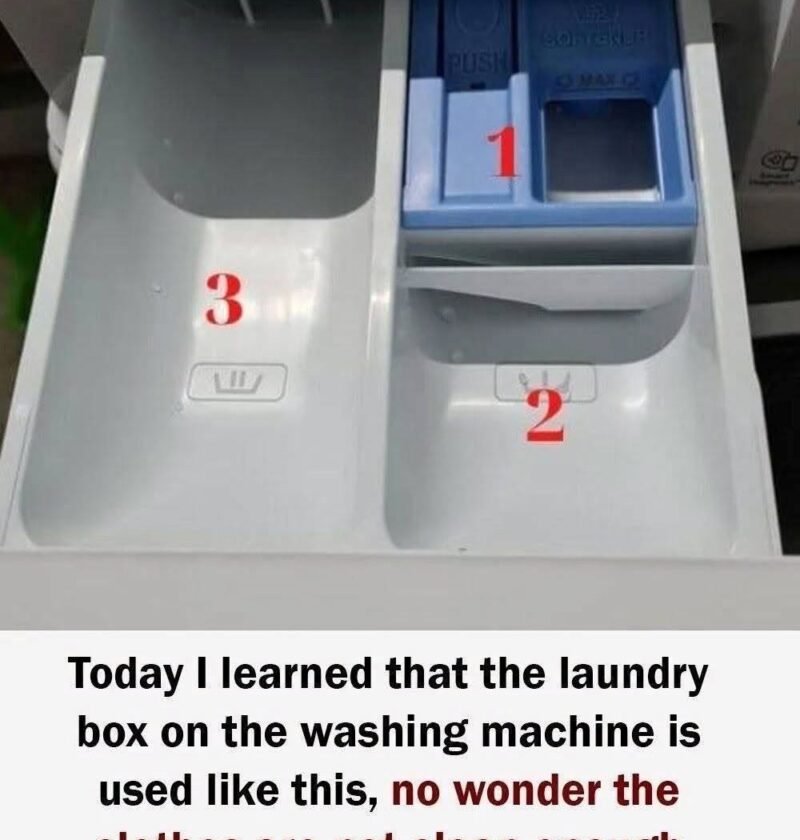
Most front-load and modern top-load washing machines feature a pull-out drawer divided into three distinct sections, usually marked with universal symbols (Roman numerals or little icons):
1. The Main Wash Compartment (Marked with II or a large chamber)
-
What Goes Here: Your primary laundry detergent—whether it is liquid or powder.
-
How It Works: Water flushes through this compartment during the main washing cycle, washing the detergent directly into the drum when the cycle officially begins.
-
Note: If you use liquid detergent, many machines require a special plastic flap or insert in this compartment to prevent the liquid from draining straight down into the drum before the cycle even starts.
2. The Pre-Wash Compartment (Marked with I or a small chamber)
-
What Goes Here: A small amount of detergent used only if you select a “Pre-Wash” cycle for heavily soiled, muddy, or stained garments.
-
How It Works: Water flushes this compartment first, giving heavily soiled clothes an initial soak and wash before draining and moving into the main wash cycle. If you don’t use a pre-wash setting, leave this compartment empty.
3. The Fabric Softener Compartment (Marked with a Flower or Star symbol 🪷)
-
What Goes Here: Liquid fabric softener or liquid scent boosters.
-
How It Works: This compartment relies on a siphon mechanism. The machine holds the softener safely until the final rinse cycle, at which point it adds just enough water to flush the liquid out into the drum.
-
Crucial Rule: Never fill this compartment past the “Max” line. If you overfill it, the siphon triggers prematurely, dumping all your softener into the initial wash water where it gets immediately rinsed away and wasted.
Common Detergent Drawer Mistakes to Avoid
-
Dumping Everything Together: Pouring fabric softener and detergent into the same chamber causes them to react chemically, creating a sticky, gray sludge that clogs the drawer and breeds black mold.
-
Ignoring the Drawer Buildup: Laundry detergent residue combined with humidity makes detergent drawers a breeding ground for mold and bacteria. Pull the entire drawer out every few months (most have a little plastic tab you press down to release them completely) and scrub it clean under warm water.
-
Skipping the Drum for Pods: If you use laundry detergent pods or pacs, they never go in the detergent drawer. They must be placed directly at the back or bottom of the empty drum before you load your clothes so they can dissolve completely under direct water flow.