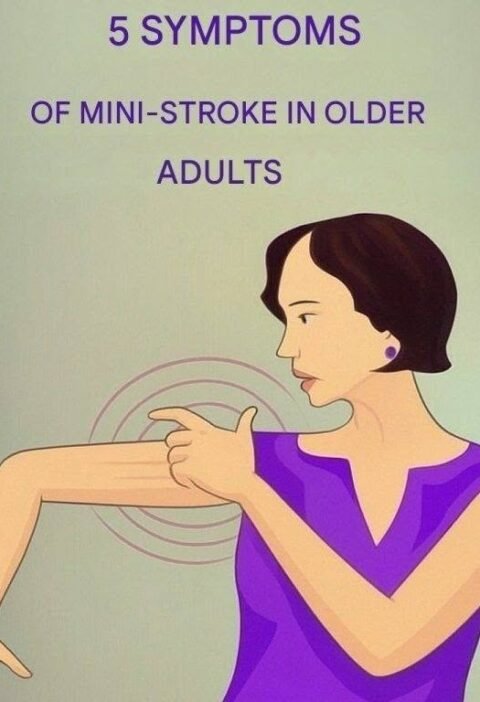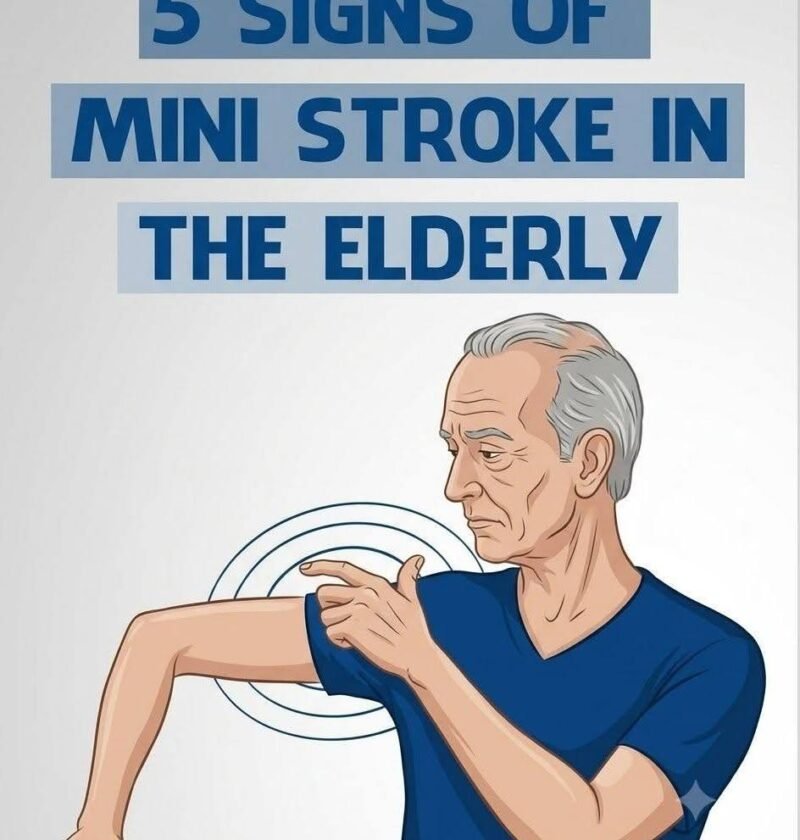
Viral health articles warning that mini-strokes go unnoticed often use dramatic headlines to capture attention, but the core medical warning is entirely accurate: Transient Ischemic Attacks (TIAs), commonly called mini-strokes, are frequently brushed off or missed because their symptoms resolve quickly.
Unlike a major stroke, a TIA occurs when blood flow to a specific part of the brain is temporarily blocked, causing neurological symptoms that typically last from a few minutes to a few hours and leave no permanent physical damage on an MRI. However, mistaking a TIA for harmless fatigue, vertigo, or “senior moments” is a dangerous gamble. A TIA is a critical, urgent warning sign that a major, potentially disabling stroke may be imminent.
9 Critical Symptoms of a Mini-Stroke You Should Never Ignore
While viral lists often exaggerate or mix in unrelated aches and pains, neurologists emphasize nine classic, sudden neurological warning signs of a TIA:
-
Sudden Facial Asymmetry or Drooping
-
The sign: One side of the face suddenly drops or feels stiff. When the person attempts to smile, the smile is uneven or one corner of the mouth refuses to move.
-
-
Sudden Weakness or Paralysis in One Arm or Leg
-
The sign: A sudden, heavy, or weak feeling down one entire side of the body. If you ask the person to hold both arms straight out in front of them, one arm involuntarily drifts downward.
-
-
Sudden Slurred or Garbled Speech
-
The sign: Speech that suddenly sounds thick, slurred, or difficult to understand, or a sudden inability to find the right words or comprehend what others are saying.
-
-
Sudden Vision Changes in One or Both Eyes
-
The sign: A sudden blurring, darkening, or total loss of vision in one eye (sometimes described as a shade or curtain pulling down over the eye), or sudden double vision.
-
-
Sudden Loss of Balance or Severe Vertigo
-
The sign: A sudden, overwhelming bout of unsteadiness, stumbling, or dizziness that makes it impossible to walk straight, especially when paired with any other neurological sign.
-
-
Sudden Confusion or Disorientation
-
The sign: A sudden, unexplained inability to recognize familiar people, places, or understand simple instructions.
-
-
Sudden Severe Headache with No Known Cause
-
The sign: A sudden, blinding, “thunderclap” headache that hits out of nowhere, which can sometimes signal vascular pressure shifts or bleeding (though more commonly associated with hemorrhagic strokes or aneurysms, it must never be ignored).
-
-
Sudden Numbness or “Pins and Needles” on One Side
-
The sign: A sudden, distinct loss of sensation running down one entire half of the body—affecting the face, arm, and leg simultaneously.
-
-
Sudden Difficulty Swallowing (Dysphagia)
-
The sign: A sudden, strange difficulty swallowing saliva, liquids, or food, causing coughing or choking when trying to eat or drink.
-
Why “Transient” Does Not Mean “Harmless”
Because the blockage in a TIA breaks up or dissolves on its own within minutes, all symptoms disappear completely. This leads many people to assume the danger has passed.
In reality, a TIA is the body’s warning system. It means an unstable plaque has ruptured or a blood clot has temporarily lodged in a cerebral artery. Research shows that up to 10% to 15% of people who suffer a TIA will have a major, debilitating stroke within three months, with the highest risk concentrated in the first 24 to 48 hours after the initial episode.
What to Do Immediately
-
Treat Every TIA as a Medical Emergency: Even if the numbness, slurred speech, or weakness vanishes after five minutes, call emergency services (911) immediately.
-
Do Not “Wait and See”: Never tell someone to sleep it off. Emergency room physicians need to perform urgent neuroimaging (such as a CT scan or MRI) and vascular testing to identify the source of the blockage, stabilize blood pressure, and initiate preventative medications (such as antiplatelet drugs or blood thinners) to protect against a full stroke.