🐜 “Ants Can’t Stand It!” — What Actually Works?
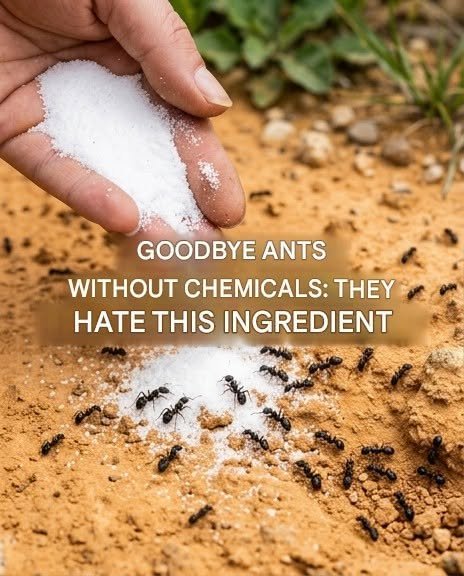
You may see claims that cinnamon, cloves, peppermint oil, vinegar, or other kitchen ingredients will keep ants away permanently. Some may temporarily discourage ants, but evidence for these remedies as a reliable long-term solution is weak. University of Minnesota Extension, for example, specifically lists cinnamon and several herbs/essential oils among methods that aren’t effective for eliminating ants. (University of Minnesota Extension)
The more reliable approach
1. Remove food and water sources.
Clean crumbs and spills, seal food containers, empty garbage regularly, and fix leaking faucets. This makes your home less attractive to ants. (University of Maryland Extension)
2. Follow the ant trail.
Find where they’re entering and seal cracks and gaps around windows, doors, pipes, and walls. (University of Maryland Extension)
3. Use an ant bait rather than simply spraying the workers.
Slow-acting bait is carried back to the colony, where it can reach queens and other ants. This is generally more effective for eliminating the colony than contact sprays. (CSU Office of Engagement)
4. Be patient.
Baits don’t work instantly. Depending on the species and product, noticeable reduction can take several days or even weeks. (University of Maryland Extension)
⚠️ Keep all ant baits and pesticides away from children and pets, and follow the product label. Don’t spray insecticide around a bait station because it can prevent ants from taking the bait back to the nest. (yardandgarden.extension.iastate.edu)
Bottom line: There isn’t a magic kitchen ingredient that reliably keeps ants away “for good.” Eliminating food/water sources + sealing entry points + properly placed slow-acting bait is a much more dependable strategy.