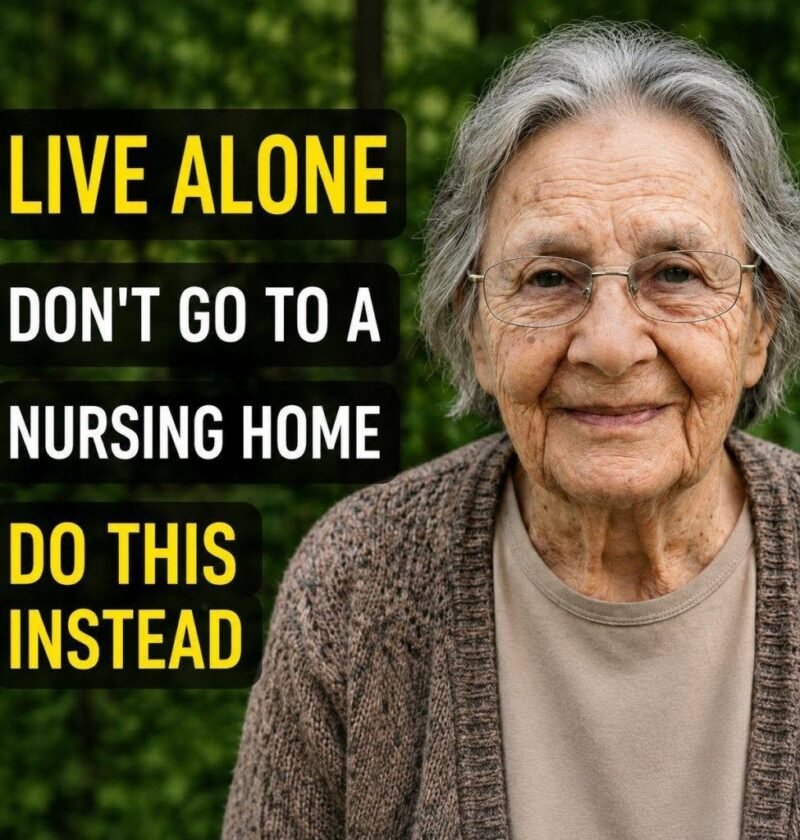
🏡 I’m 83: Alternatives to a Nursing Home When Living Alone Is No Longer Safe
Needing more help doesn’t automatically mean you must move into a nursing home. The best option depends on how much help you need, your preferences, finances, and whether you can remain safe in the community.
1. 👩⚕️ Stay at home with caregivers
You may be able to remain in your own home with a combination of:
- A personal-care aide for bathing, dressing, meals, and toileting
- Home health services when medically appropriate
- Family, friends, or neighbors checking in
- Meal delivery and transportation
- Home modifications such as grab bars, better lighting, and fall-prevention equipment
Home-based services can be arranged for a few hours a day or, in some situations, around-the-clock care.
2. 🏠 Move in with family or friends
If someone you trust has the space and ability to help, living with family can provide supervision and companionship while allowing you to remain outside an institution. It is important to discuss responsibilities, privacy, finances, and future care needs beforehand.
3. 🏘️ Assisted living
Assisted living can be a middle ground between living completely independently and nursing-home care. You typically have your own room or apartment while receiving help with meals, medications, bathing, housekeeping, and other daily activities.
4. 🌳 Small residential care or board-and-care homes
These are smaller homes with a limited number of residents. They can provide meals and personal assistance in a more home-like setting, although the amount of nursing and medical care varies considerably.
5. ☀️ Adult day programs
If you can safely spend nights at home but need supervision during the day, an adult day program can provide meals, activities, exercise, personal care, and sometimes basic health services. Transportation may also be available.
6. ❤️ PACE — where available
In the United States, PACE (Program of All-Inclusive Care for the Elderly) can provide coordinated medical, personal, social, transportation, adult-day, and home-care services to eligible people who would otherwise need nursing-home-level care, while allowing them to remain in the community. Availability is limited to participating areas.