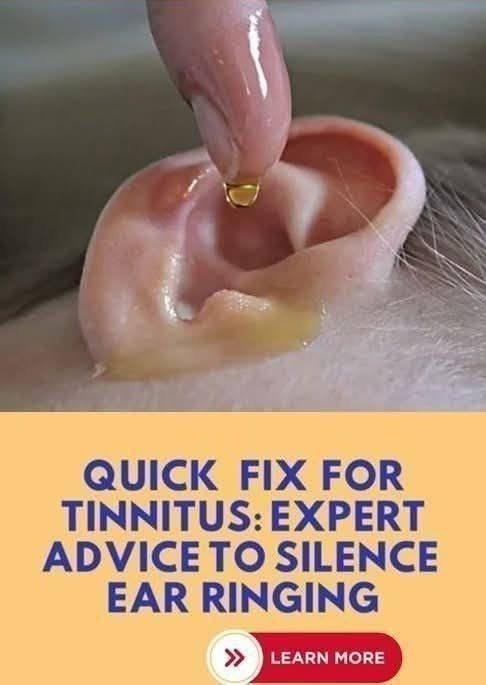
The promise of a simple kitchen remedy or miracle oil that you can drop into your ears to instantly restore lost hearing is a popular hook online, but ear, nose, and throat (ENT) specialists strongly urge caution with these claims.
While certain drops can help with specific minor issues, putting random liquids into your ear canal without knowing the underlying cause of hearing loss can range from ineffective to genuinely dangerous.
The Reality Behind Ear Drops and Hearing Loss
When hearing declines or feels muffled, it almost always falls into one of two categories: conductive hearing loss (something blocking sound waves from traveling through the ear canal) or sensorineural hearing loss (damage to the inner ear nerve pathways). Here is how drops fit into that picture:
-
When Drops Do Help (Impacted Earwax):
-
If your hearing loss is caused by a hard plug of earwax (cerumen) pressing against your eardrum, over-the-counter or doctor-recommended softening drops (like mineral oil, hydrogen peroxide, or commercial wax softeners) can help break up the wax so it can be safely flushed out. Once the blockage is removed, your hearing snaps back to normal.
-
-
When Drops Do Not Help (Nerve or Inner Ear Damage):
-
If hearing loss is due to age, noise exposure, inner ear damage, or nerve issues, drops will have zero effect because the physical pathway for sound is already clear—the issue lies in how the brain processes sound signals.
-
-
The Hidden Dangers of DIY Ear Drops:
-
Ruptured Eardrum: If you have a small, unnoticed tear or perforation in your eardrum, putting oils, essential oils, garlic juice, or unprescribed medicated drops straight into the ear can cause severe pain, chemical burns, or introduce an infection directly into the middle ear.
-
Trapped Infections: If your hearing loss is due to swimmer’s ear (outer ear infection) or a middle ear infection (otitis media), using the wrong drops can feed bacteria or fungi, making the inflammation much worse.
-
Safe Ways to Protect and Support Your Hearing
If you are experiencing muffled hearing or trouble catching conversations, skip the unverified internet concoctions and take these safe steps instead:
-
Get an Official Exam: Have an ENT or primary care doctor look inside your ear with an otoscope. They can instantly tell you if your ear canal is simply blocked with wax or if something else is going on.
-
Never Insert Cotton Swabs: Q-tips push wax deeper into the canal, compressing it against the eardrum and turning a minor blockage into a stubborn impaction.
-
Protect Against Loud Noise: Wear earplugs at concerts, loud workplaces, or when using power tools to prevent noise-induced hearing loss, which is largely irreversible.
⚠️ When to See a Doctor Urgently: If you experience sudden hearing loss (especially in one ear overnight), severe ear pain, dizziness, vertigo, or discharge leaking from the ear, seek medical evaluation immediately. Sudden hearing loss requires prompt intervention by a specialist to be effectively treated.