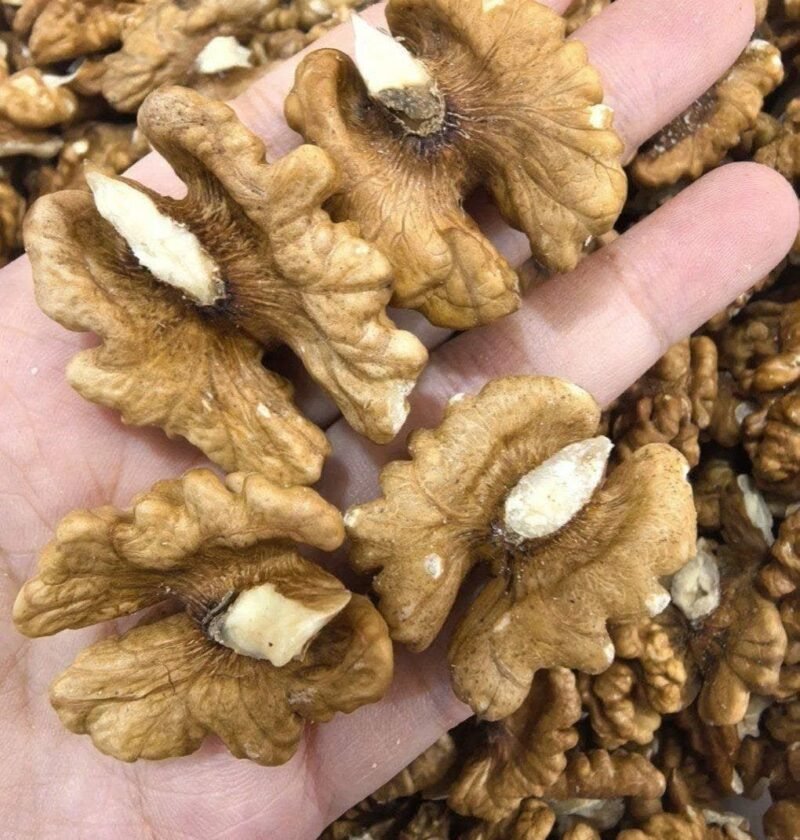
When doctors and nutrition researchers discuss the regular consumption of walnuts, they frequently highlight them as a powerhouse food because of their uniquely dense nutritional profile. Unlike many other nuts, walnuts are exceptionally rich in plant-based omega-3 fatty acids (alpha-linolenic acid or ALA), powerful polyphenols, and high levels of antioxidants.
Incorporating a handful of walnuts into your daily routine triggers several powerful physiological changes in the body:
1. Significant Improvements in Heart Health
-
The Mechanism: Walnuts are heavily studied for their cardiovascular benefits. Their high concentration of ALA omega-3 fatty acids, magnesium, and arginine helps protect the heart.
-
The Result: Doctors point out that eating walnuts regularly helps lower “bad” LDL cholesterol, reduce triglycerides, and improve the flexibility of blood vessels, which collectively lowers the risk of plaque buildup (atherosclerosis) and heart disease.
2. Reduced Systemic Inflammation and Oxidative Stress
-
The Mechanism: Chronic inflammation is the silent root driver behind many modern illnesses, from type 2 diabetes to cognitive decline. Walnuts boast higher antioxidant activity than almost any other common nut, largely driven by their vitamin E, melatonin, and polyphenol-rich skins.
-
The Result: Eating them consistently helps neutralize harmful free radicals, dampening systemic inflammation markers throughout the body.
3. Flourishing Gut Microbiome
-
The Mechanism: The fiber and bioactive compounds in walnuts act as prebiotics—fueling the “good” bacteria living in your digestive tract.
-
The Result: Clinical studies show that regular walnut consumption significantly increases beneficial gut microbes (such as Lactobacillus species), which supports better digestion, immunity, and even gut-brain axis communication.
4. Enhanced Brain Function and Cognitive Protection
-
The Mechanism: It is hard to miss the visual coincidence—walnuts look remarkably like tiny brains, and nutritionists note they act like it too. They supply high levels of essential fatty acids and antioxidants that reduce oxidative damage in brain tissue.
-
The Result: Regular intake has been linked in aging studies to improved memory, faster processing speeds, and a lower risk of age-related cognitive decline.
⚖️ The Doctor’s Caveat (Moderation is Key): While the benefits are impressive, doctors also remind people that walnuts are calorically dense (about 185 calories per 1-ounce handful, or roughly 7 whole walnuts). Eating them by the bagful can easily lead to unintended weight gain or digestive upset due to their high fiber and fat content. Sticking to a modest, daily handful is the sweet spot for maximizing benefits without any unwanted side effects.