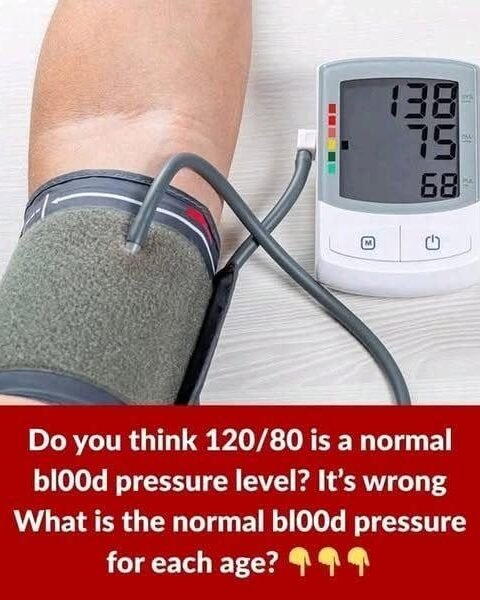
Metoprolol is a widely prescribed beta-blocker used to manage high blood pressure, chest pain (angina), and heart failure, as well as to protect the heart after a heart attack. While doctors frequently discuss common side effects like fatigue or dizziness, patients are often caught off guard by subtler or more surprising ways the drug impacts the body.
Here are 10 side effects and lesser-known effects of metoprolol that might catch you by surprise:
1. Vivid Dreams and Nightmares
Because beta-blockers can cross the blood-brain barrier, they influence chemicals in the central nervous system. Many patients report an abrupt increase in unusually vivid, bizarre, or even unsettling dreams when starting the medication or adjusting their dose.
2. Cold Hands and Feet
By design, metoprolol slows down your heart rate and reduces the force of contractions, which lowers how efficiently blood is pumped to your extremities. This can leave your fingers and toes feeling perpetually icy, even in a warm room.
3. Unexplained Weight Gain
Metoprolol can slightly slow down your body’s baseline metabolic rate. Combined with the fatigue the medication often causes—which makes physical activity feel more sluggish—some patients experience gradual, unexpected weight gain.
4. Masking Low Blood Sugar Symptoms (Hypoglycemia)
If you manage diabetes, this is a critical warning: beta-blockers block adrenaline. Adrenaline is what triggers your heart to race, palms to sweat, and body to shake when your blood sugar drops dangerously low. Metoprolol can “mask” these warning signs, leaving only confusion or dizziness as a clue.
5. Subtle Mood Changes and Depressive Feelings
Because the drug alters certain neurological pathways, some individuals notice a gentle flattening of mood, mild apathy, or an increased feeling of sadness or low energy over time.
6. Sexual Dysfunction
Like many blood pressure medications, beta-blockers can interfere with sexual health. Some patients experience a drop in libido or difficulty achieving arousal/erection, a side effect people are rarely warned about in advance.
7. Worsening Asthma or Breathing Difficulty
Metoprolol is a cardioselective beta-blocker, meaning it targets the heart primarily, but at higher doses it can still affect receptors in the lungs. For people with asthma or chronic obstructive pulmonary disease (COPD), it can trigger sudden shortness of breath or wheezing.
8. Rebound High Blood Pressure (If Stopped Abruptly)
This is one of the most dangerous surprises: stopping metoprolol “cold turkey” can send your body into a rebound effect. Because your heart and blood vessels adapted to the medication, abruptly removing it can cause a dangerous surge in heart rate and blood pressure, potentially triggering chest pain or a heart attack.
9. Hair Thinning or Shedding
While relatively rare, some patients notice an increase in hair shedding a few months after starting metoprolol. This typically occurs as a temporary disruption to the natural hair growth cycle (telogen effluvium) and usually resolves over time.
10. Gastrointestinal Upset and Dry Mouth
Though less discussed, mild digestive disruptions—such as intermittent nausea, diarrhea, constipation, or a persistent dry mouth—can crop up as your digestive tract adjusts to the changes in circulation and autonomic nervous system signaling.