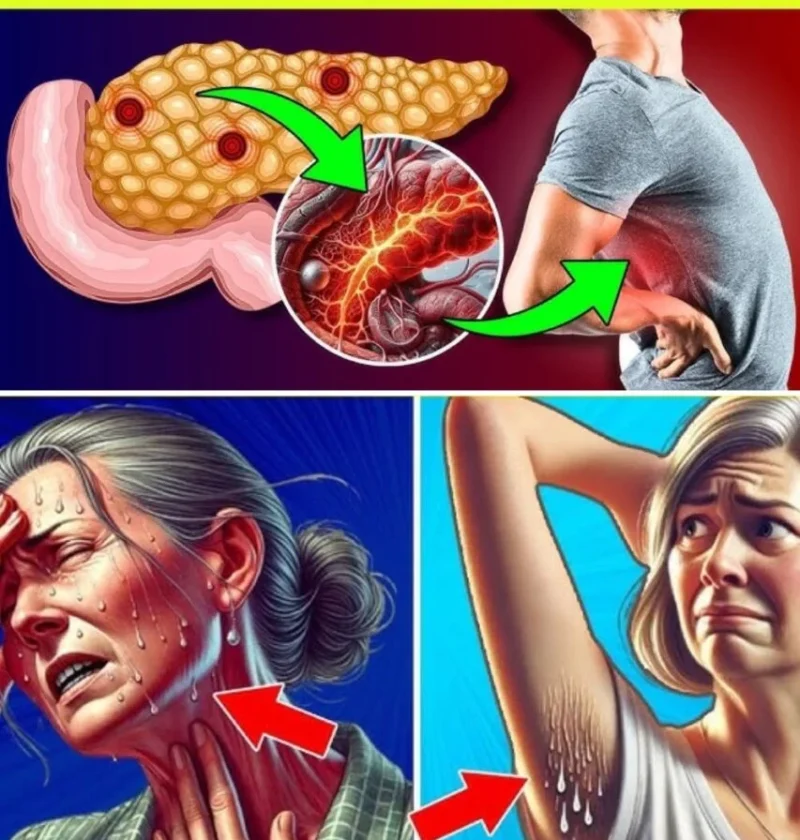
Pancreatic cancer is notoriously difficult to catch early because it often develops silently without obvious symptoms. However, as a tumor grows or impacts surrounding organs and ducts, subtle or sharp warning signs begin to emerge.
Recognizing these key indicators can be vital for early detection and intervention.
Key Signs and Symptoms to Watch For
-
Jaundice (Yellowing of Skin and Eyes): One of the most common early indicators. When a tumor develops in the head of the pancreas, it can block the common bile duct, causing a buildup of bilirubin. This also frequently results in dark urine, pale or clay-colored stools, and intense skin itching.
-
Unexplained Weight Loss: Dropping a significant amount of weight (such as 5% or more of your body weight) without changing your diet or exercise routine is a major red flag. This happens because the pancreas plays a critical role in digestion, and cancer can disrupt how your body processes nutrients.
-
Upper Abdominal or Mid-Back Pain: A dull, persistent ache in the upper abdomen that often wraps around or radiates straight through to the back is very common. This discomfort can sometimes worsen when lying down or after eating.
-
New-Onset Diabetes: A sudden diagnosis of diabetes later in life—especially without a family history or significant weight gain—can sometimes be an early warning sign that the pancreas is struggling or being compromised by a tumor.
-
Changes in Stool (Steatorrhea): Because the pancreas fails to release enough digestive enzymes, fats cannot be broken down properly. This can result in stools that are pale, oily, unusually foul-smelling, and difficult to flush.
-
Digestive Distress and Nausea: Tumors pressing against the stomach or small intestine can obstruct digestion, leading to persistent bloating, frequent gas, indigestion, nausea, or feeling full remarkably quickly after eating a small meal.
-
Blood Clots (DVT): An unexplained blood clot in a deep vein—most commonly in the leg (Deep Vein Thrombosis) or sometimes a pulmonary embolism—can occasionally be an early sign of an underlying malignancy like pancreatic cancer.
-
Profound Fatigue and Weakness: A persistent, overwhelming lack of energy that does not improve with rest is a frequent, non-specific symptom as the body deals with the systemic effects of the disease.
Important Note: Many of these symptoms can easily mimic less serious gastrointestinal issues, such as gallstones, irritable bowel syndrome (IBS), or pancreatitis. However, if you or someone you know is experiencing persistent, unexplained versions of these symptoms—particularly rapid weight loss, jaundice, or upper abdominal pain—it is critical to consult a healthcare professional for a proper evaluation.
Are you or someone you know currently looking into these symptoms, or is there a specific concern prompted by this list?