The color of your urine is a surprisingly effective, built-in health dashboard. Normal urine gets its characteristic hue from urochrome, a natural pigment produced when your body breaks down old red blood cells. How concentrated that pigment becomes—alongside diet, medications, and underlying health factors—determines what you see in the bowl.
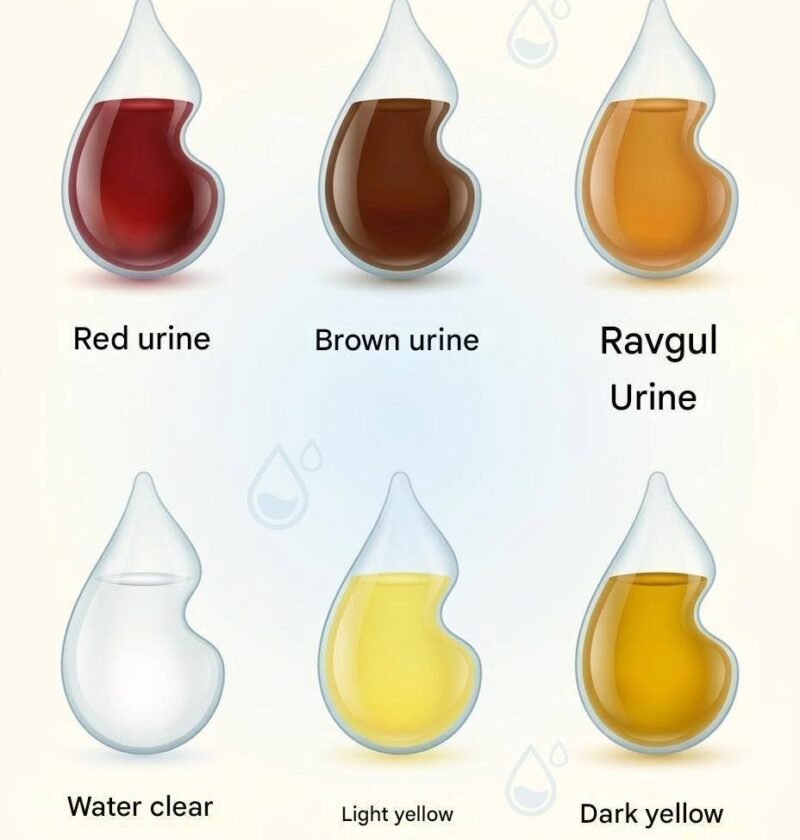
1. Transparent to Pale Yellow (The Healthy Range)
-
What it looks like: Ranging from completely clear to the color of light straw.
-
What it means: This is the gold standard of hydration. Pale yellow means your kidneys are properly diluting waste and maintaining a healthy fluid balance.
-
Note on clear urine: While hydration is great, completely clear urine can mean you are drinking too much water in a short window, which can occasionally dilute vital electrolytes in your blood.
2. Dark Yellow to Amber / Honey
-
What it looks like: Deep yellow, dark gold, or brownish-yellow.
-
What it means: Dehydration. The less water you drink, the more concentrated the urochrome pigment becomes. If your urine looks like apple juice, your body is asking for a glass of water.
3. Bright Neon Yellow
-
What it looks like: A striking, vivid fluorescent yellow.
-
What it means: This is almost always harmless and is caused by excess B-complex vitamins (particularly Riboflavin or Vitamin B2) found in multivitamins or energy drinks. Your body simply excretes what it doesn’t absorb.
4. Orange
-
What it looks like: A vibrant or rust-colored orange.
-
What it means:
-
Lifestyle/Diet: Eating large amounts of carrots or beta-carotene-rich foods.
-
Medications: Certain antibiotics, laxatives, or anti-inflammatory drugs.
-
Medical Caution: If your urine is orange and is accompanied by pale-colored stools or yellowing of the skin and eyes (jaundice), it can indicate an issue with your liver or bile ducts.
-
5. Pink or Red
-
What it looks like: Ranging from a faint blush to deep crimson.
-
What it means:
-
Dietary factors: Eating beets (beeturia), blackberries, or rhubarb.
-
Medical concerns: If you haven’t eaten red foods, pink or red urine can signal blood in the urine (hematuria). This can stem from a urinary tract infection (UTI), kidney stones, an enlarged prostate, or—particularly in older adults—bladder or kidney issues that require medical evaluation.
-
6. Blue or Green
-
What it looks like: An unusual teal, mint green, or bright blue.
-
What it means: This is rare and usually dramatic, but typically benign. It can be caused by certain food dyes, asparagus (in rare cases giving a greenish tinge), specific medications (like the antidepressant amitriptyline), or occasionally a specific type of bacterial urinary tract infection.
7. Dark Brown or “Cola-Colored”
-
What it looks like: Deep brown, tea-colored, or dark soda-like hue.
-
What it means:
-
Severe dehydration.
-
Certain medications, fava beans, or rhubarb.
-
Liver disease (such as hepatitis or cirrhosis) or extreme muscle breakdown (rhabdomyolysis), both of which require prompt medical attention.
-
8. Cloudy or Foamy
-
What it looks like: Murky, milky, or persistently bubbly.
-
What it means:
-
Cloudy urine often points to a urinary tract infection (UTI), dehydration, or mineral crystals.
-
Foamy urine that looks like beaten egg whites can indicate excess protein leaking into the urine, which serves as an early indicator to check kidney function.
-
🚩 When to see a doctor: If a strange urine color doesn’t resolve after drinking water or correcting an obvious dietary cause (like eating beets), or if it is accompanied by pain, burning, fever, frequent urges to go, or visible blood, you should consult a healthcare provider for a simple urinalysis.