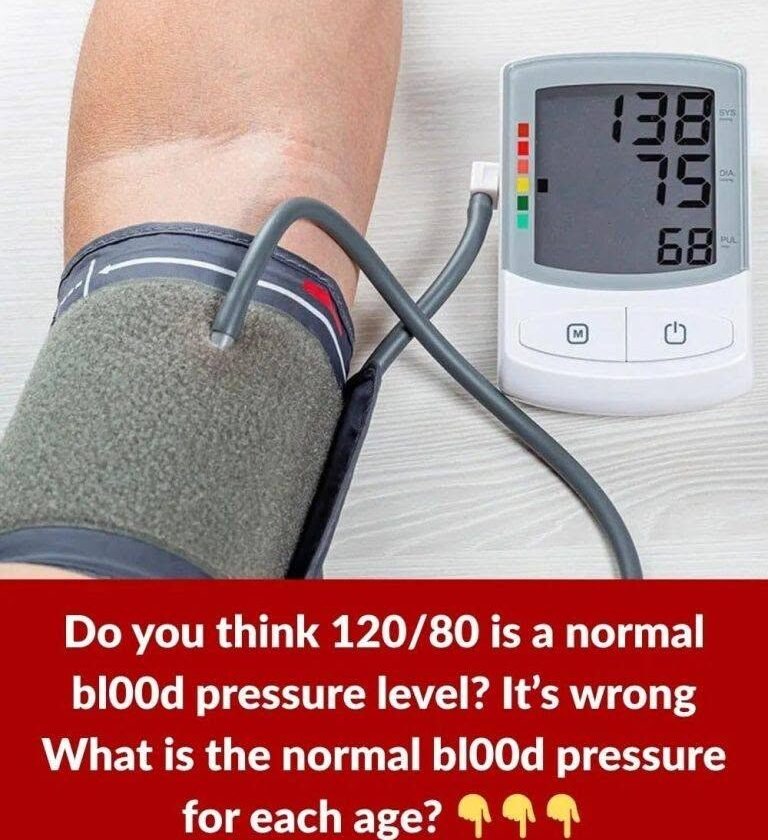
When looking at blood pressure across different ages, there is an important medical distinction to make: the clinical target for “normal” versus what is typically “average” for a given age group.
According to major cardiology guidelines (such as the American Heart Association), the ideal target blood pressure for all adults is less than 120/80 mmHg, regardless of how old you are. However, average blood pressure naturally tends to drift upward as people age because blood vessels naturally stiffen over time.
Adult Blood Pressure Categories (Ages 18+)
For any adult, a standard reading is classified into these ranges:
| Category | Systolic (Top Number) | Diastolic (Bottom Number) | What It Means | |
| Normal | Less than 120 | and | Less than 80 | Ideal heart health. |
| Elevated | 120 to 129 | and | Less than 80 | Tends to worsen over time if not managed. |
| Stage 1 Hypertension | 130 to 139 | or | 80 to 89 | High blood pressure; lifestyle changes recommended. |
| Stage 2 Hypertension | 140 or higher | or | 90 or higher | Moderately to severely high; medication usually required. |
| Hypertensive Crisis | Higher than 180 | and/or | Higher than 120 | Medical emergency. Seek immediate care. |
Average Blood Pressure by Age and Gender
While less than 120/80 mmHg is the gold standard target, large population studies show how average readings typically shift across decades:
-
18 to 39 years:
-
Men: ~117/72 to 122/76 mmHg
-
Women: ~110/68 to 116/72 mmHg
-
-
40 to 59 years:
-
Men: ~126/80 to 131/82 mmHg
-
Women: ~122/76 to 128/80 mmHg (Note: Women’s readings often rise more steeply post-menopause due to hormonal shifts).
-
-
60+ years:
-
Men: ~135/78 to 142/72 mmHg
-
Women: ~134/78 to 143/72 mmHg
-
Even though these higher averages are common in older adults, they are not considered optimal. Consistently staying above 130/80 mmHg increases long-term risks for heart attack and stroke, though doctors may individualize target goals for frail or elderly patients.
Children and Adolescents (Under 18)
Blood pressure in youth is evaluated differently than in adults. Instead of a flat target, a child’s “normal” reading is determined by their age, height, and gender percentiles calculated by a pediatrician. General averages include:
-
Newborns: ~60–90 / 20–60 mmHg (much lower because their vascular systems are developing)
-
Toddlers & Preschoolers: ~95–110 / 53–70 mmHg
-
School-age children (6–12): ~97–112 / 57–71 mmHg
-
Adolescents (13–17): Roughly approaches adult ranges, typically averaging under 120/80 mmHg.