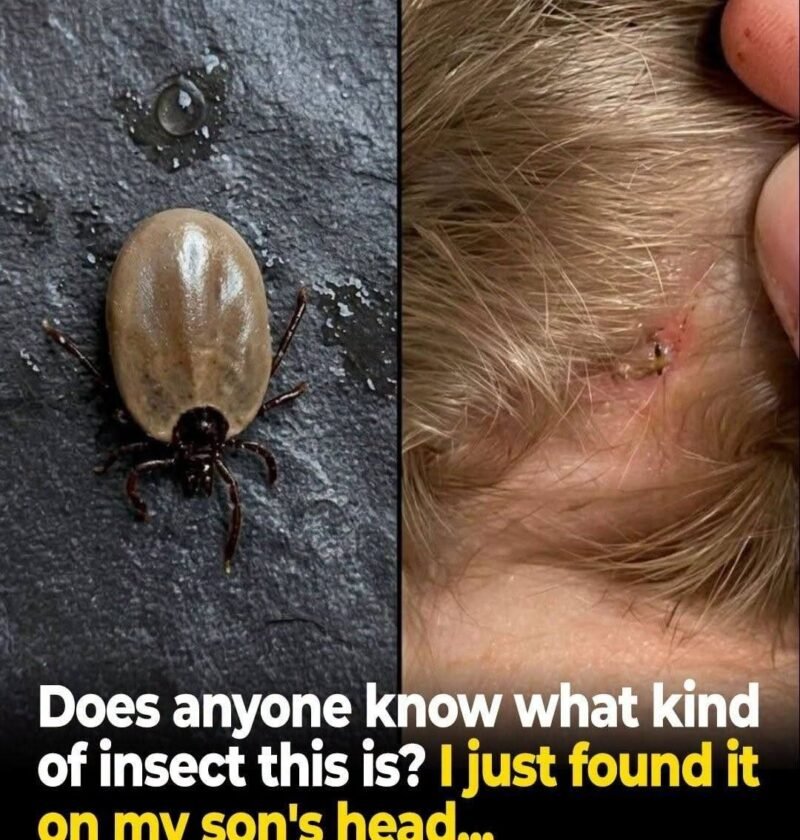
Ah, the ultimate Facebook parenting group cliffhanger! “Check the 1st comment” is the sacred mating call of viral engagement farming, usually pointing to a link for a sketchy medical blog, an expensive chemical shampoo, or just engagement bait designed to make thousands of stressed parents panic.
When a sensationalist post features an insect found specifically in a child’s hair, it almost always points to one very common, very mundane culprit: head lice.
What It Almost Certainly Is: Head Lice
If the bug is tiny, wingless, brownish-grey, and clinging tightly to a strand of hair, you are likely looking at a head louse (Pediculus humanus capitis).
-
The Reality: Getting lice has nothing to do with personal hygiene or a dirty home. It is simply a rite of passage for kids in schools, daycares, and sleepovers because lice spread easily through direct head-to-head contact.
-
The Eggs (Nits): You’ll often find tiny, oval-shaped pearly or yellowish specks glued firmly to the hair shafts near the scalp (unlike dandruff, which flakes off easily, nits are locked tightly onto the hair).
Why the Internet Loves to Panic About It
Social media posts love to frame head lice as a horrifying biological disaster requiring a hazmat suit or a second mortgage for specialized salon treatments.
In reality, while they are deeply annoying, itchy, and tedious to get rid of, lice are completely harmless—they do not transmit diseases or bacteria.
How to Deal with It (Without Falling for the Clickbait)
If you suspect your son has lice, skip the expensive internet miracle cures and stick to the tried-and-true medical playbook:
-
Confirm the Culprit: Use a bright light and a fine-toothed nit comb on wet hair (with a bit of regular conditioner to slow the bugs down) to comb through sections from root to tip.
-
Choose Your Treatment:
-
Over-the-Counter (OTC): Traditional treatments containing permethrin or pyrethrins are widely available at any pharmacy.
-
The Combing Method: Meticulous, daily wet-combing with a metal nit comb over 10 to 14 days is often just as effective as chemical treatments, especially since some lice have developed resistance to standard OTC shampoos.
-
-
Wash and Dry Bedding: Wash pillowcases, sheets, and recently worn hats in hot water and dry them on high heat to eliminate any stragglers, though environmental cleaning is secondary to treating the head itself.
-
Check the Household: Do a quick check on family members who share close contact, but there is no need to treat anyone who doesn’t actually have bugs or nits.
Did the “1st comment” on that post try to sell you a $60 organic essential-oil spray, or was it just sending you to a spammy ad-heavy blog?