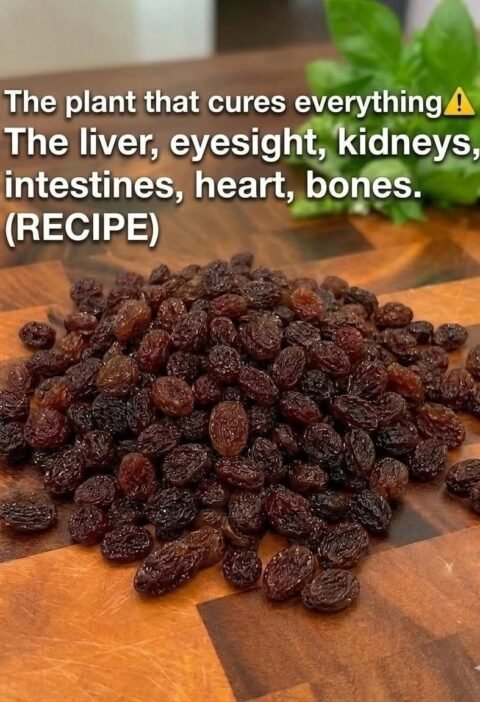
Viral health reels love to promote extreme DIY flushes, mysterious herbal teas, or instant “stomach-cleansing” concoctions that promise to clear out your digestive tract in minutes.
While digestive discomfort is frustrating, gastroenterologists emphasize that safe, natural relief comes down to proven physiological mechanics rather than aggressive cleanses.
What Actually Works Naturally and Safely
-
Soluble and Insoluble Fiber (The Bulk Builders):
-
How it helps: Foods rich in fiber—like chia seeds, flaxseeds, oats, berries, and leafy greens—add bulk to your stool. Insoluble fiber speeds up transit time, while soluble fiber absorbs water to form a soft, easy-to-pass gel.
-
-
The Classic Power of Prunes and Kiwis:
-
Why they work: Prunes are a time-tested remedy because they contain not only fiber but also sorbitol, a natural sugar alcohol that draws water into the colon to stimulate bowel movements gently. Similarly, clinical studies show that eating a couple of kiwis daily is exceptionally effective due to their unique fiber content and natural enzymes (actinidin) that support motility.
-
-
Hydration (The Missing Link):
-
Why it matters: You can eat all the fiber in the world, but if you aren’t drinking enough water, fiber will actually backfire and cause worse constipation. Water is what allows fiber to swell and soften stool.
-
The Reality Check on Viral “Cleanses”
-
Avoid Harsh Laxative Teas: Many viral “detox” or “slimming” teas rely on harsh stimulant herbs like senna. Using them occasionally is fine, but relying on them long-term can make your colon lazy and disrupt your natural gut function.
-
When to See a Doctor: Dietary adjustments work wonders for occasional sluggishness, but if constipation is chronic, painful, or accompanied by sudden weight loss or blood, it requires medical evaluation rather than a home remedy.
Are you looking for everyday dietary adjustments to keep your digestion smooth, or dealing with a stubborn bout of discomfort?