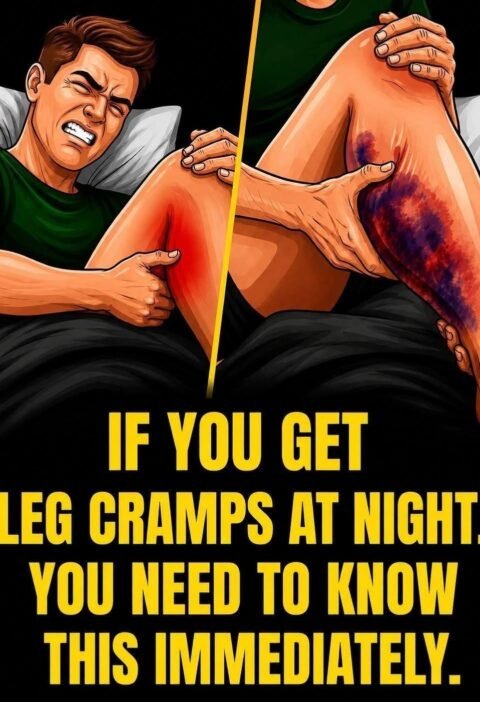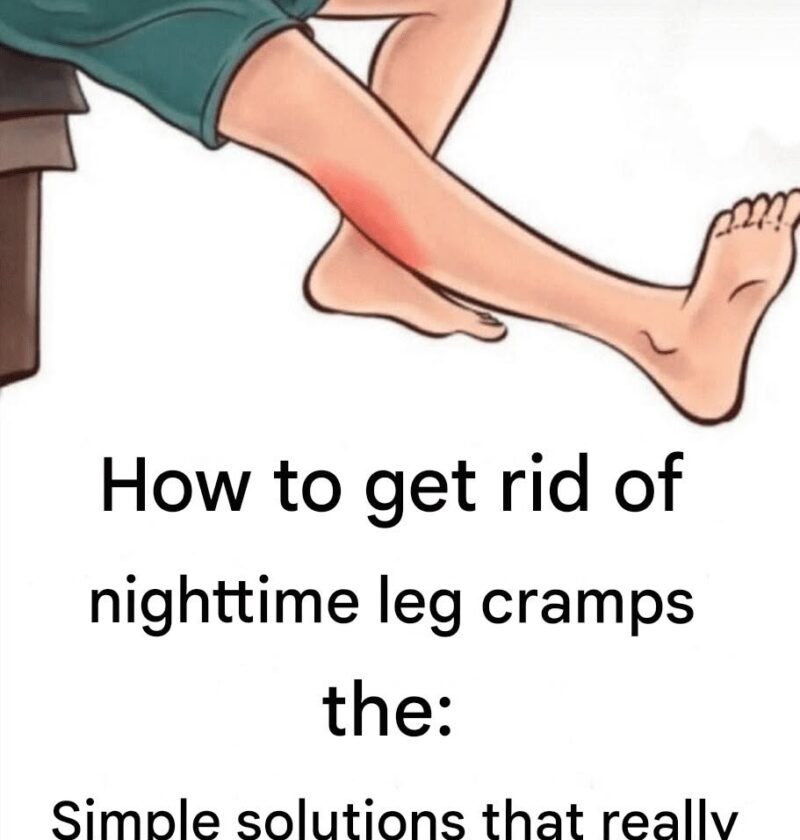
Nighttime leg cramps—sudden, involuntary contractions of the calf muscles (or sometimes the feet and thighs)—can wake you up with intense, sharp pain. While most nocturnal cramps are harmless and pass within a few minutes, knowing how to handle them in the moment and how to prevent them can make a major difference in your sleep quality.
What to Do When a Cramp Hits (Immediate Relief)
-
The Immediate Calf Stretch: Straighten your leg and pull your toes upward toward your shin (dorsiflexion). This forcibly lengthens the contracted muscle and short-circuits the spasm.
-
Stand Up and Walk: Getting out of bed and putting your full weight on the affected leg, or walking around slowly for a minute, signals the muscle to relax.
-
Apply Heat or Ice: Once the spasm stops, using a warm towel, heating pad, or taking a warm shower can soothe residual muscle tightness. Alternatively, gentle ice massage can help dull lingering soreness.
-
Gentle Massage: Firmly kneading and rubbing the cramped muscle helps release tension once the acute phase passes.
Simple Lifestyle Strategies to Prevent Nighttime Cramps
-
Stretch Before Bed: Doing a simple wall stretch (leaning forward against a wall with your heels flat on the floor) for a few minutes each evening significantly reduces the frequency of nighttime cramps.
-
Stay Well-Hydrated: Inadequate fluid intake can compromise normal muscle and nerve function. Ensure you drink enough water throughout the day, particularly if you exercise or live in a hot climate.
-
Adjust Your Sleep Setup: Avoid sleeping with your toes pointed downward (such as under heavy, tightly tucked-in blankets), which shortens the calf muscles and invites cramps. Instead, keep sheets loose or sleep on your back with a pillow beneath your knees.
-
Incorporate Light Movement: A few minutes on a stationary bike or a brief evening walk can loosen up stiff leg muscles before you turn in for the night.
When to See a Doctor: Occasional night cramps are normal, but if they happen frequently, disrupt your sleep consistently, or are accompanied by severe muscle weakness, swelling, redness, or numbness, consult a healthcare provider. They can check for underlying issues such as electrolyte imbalances, circulation problems, nerve compression, or medication side effects.