The ages of 70 to 75 mark a distinct and transitional phase of late adulthood. While many people remain active and vibrant during these years, physiological changes and life transitions often accelerate.
Here are 5 key aspects that can make this stage of life particularly challenging:
1. Accelerated Muscle Loss and Fall Risk (Sarcopenia)
-
The Challenge: Around this stage, age-related muscle mass and strength decline (sarcopenia) can become much more pronounced. Combined with a natural decrease in bone density and joint flexibility, this affects balance, stability, and coordination.
-
Why it matters: A simple trip or stumble that might have resulted in a minor bruise at age 50 carries a significantly higher risk of severe fractures (such as a broken hip) in your early 70s, which can abruptly threaten independent living.
2. Managing Multiple Chronic Conditions and “Polypharmacy”
-
The Challenge: The likelihood of managing more than one chronic health issue—such as high blood pressure, arthritis, type 2 diabetes, or early cardiovascular stiffness—increases.
-
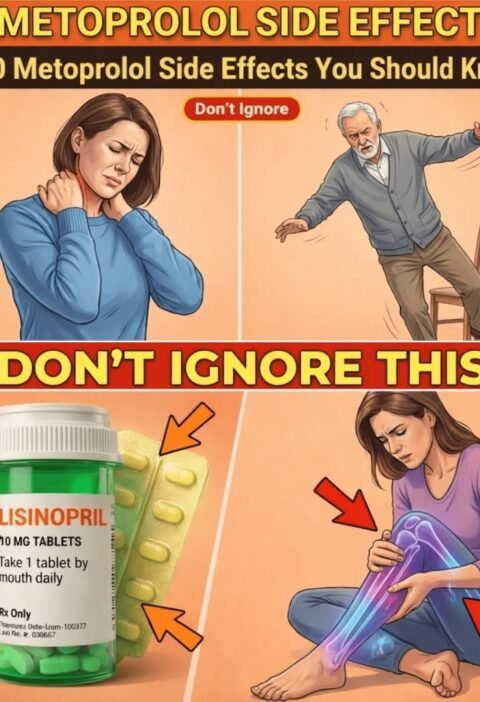
Why it matters: Handling multiple conditions often means taking a variety of different prescription medications simultaneously (polypharmacy). Coordinating drug timings, monitoring side effects, and dealing with drug-to-drug interactions or the strain these medications put on aging kidneys and livers can become complex and exhausting.
3. Sensory Declines (Vision and Hearing)
-
The Challenge: Gradual changes to eyesight (such as worsening cataracts, sensitivity to glare, or trouble navigating low light) and hearing loss (particularly high-frequency sounds or filtering background noise in crowds) often become harder to compensate for.
-
Why it matters: Sensory decline isn’t just a physical inconvenience; it directly impacts confidence. Struggling to hear in conversations or feeling unsteady in dim lighting can lead people to quietly pull back from social gatherings, hobbies, and public outings.
4. Navigating Social Isolation and Emotional Transitions
-
The Challenge: The early 70s often bring profound lifestyle shifts. Many people experience the loss of lifelong peers, spouses, or friends, and the widening circle of retirement means fewer built-in daily social interactions.
-
Why it matters: Loneliness and social isolation are not just emotional burdens—they are heavily linked to physical health risks, including higher rates of depression, cognitive decline, and weakened immune function. Maintaining a sense of purpose and community requires deliberate effort during this window.
5. Subtle Cognitive Shifts and Processing Speed
-
The Challenge: While normal aging involves minor shifts in memory—such as taking a bit longer to recall a name, finding the right word, or shifting attention—these changes can become more noticeable between 70 and 75.
-
Why it matters: Mild cognitive shifts can create frustration with daily administrative tasks, managing household finances, or learning new technologies. It also introduces an underlying worry about more serious cognitive decline, requiring proactive mental stimulation, social engagement, and physical activity to support brain health.
Navigating the Years Ahead
Recognizing these challenges doesn’t mean viewing this stage with dread; rather, it highlights areas where proactive care makes all the difference. Incorporating regular strength exercises (like resistance bands or sit-to-stand movements), staying socially connected, managing routine health screenings, and keeping up with physical activity help preserve independence and vitality through your 70s and beyond.