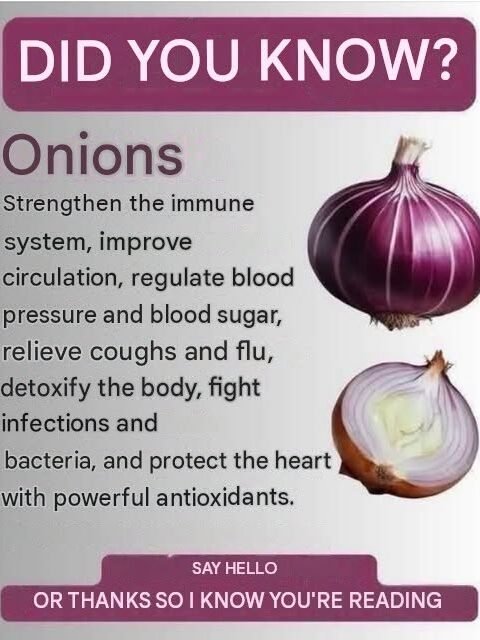
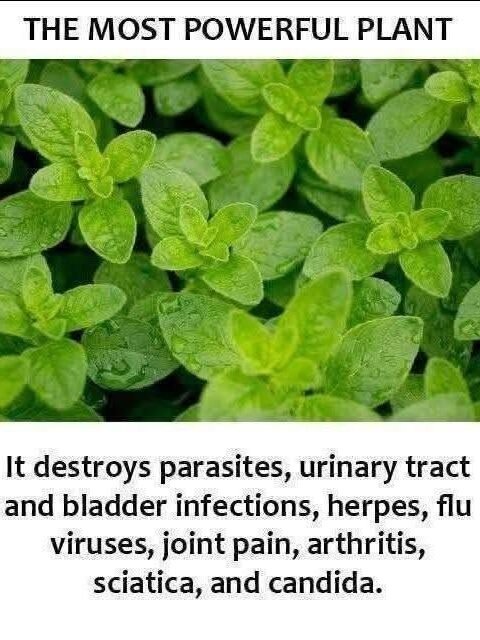
When sensational headlines claim a single “miracle plant” can cure everything from your liver and kidneys to your heart and eyesight, it sounds like an incredible shortcut to lifelong health.
In reality, while the plant kingdom is packed with remarkable, nutrient-dense botanicals and traditional medicinal herbs that offer incredible antioxidant and anti-inflammatory support, no single plant can cure everything.
However, many plants that make these viral lists do contain powerful, science-backed compounds that target specific organ systems. Let’s look at the reality behind some of the most famous “cure-all” plants and what they can—and cannot—actually do for your body:
1. Milk Thistle (Liver Support)
-
The Claim: Often hailed as the ultimate liver detoxifier.
-
The Reality: Milk thistle contains an active compound called silymarin, which is a potent antioxidant and anti-inflammatory. Clinical studies show it can help protect liver cells from toxins, reduce liver inflammation, and support regeneration in conditions like non-alcoholic fatty liver disease (NAFLD). However, it doesn’t “cure” liver disease overnight; rather, it acts as a supportive shield.
2. Turmeric / Curcumin (Heart, Joints, and Gut)
-
The Claim: The ultimate anti-inflammatory spice for bones and heart health.
-
The Reality: Curcumin, the active ingredient in turmeric, is a heavily researched powerhouse. Its ability to combat chronic systemic inflammation helps soothe arthritic joints, supports endothelial health (protecting blood vessels and the heart), and promotes a healthy gut microbiome. The catch? Curcumin is notoriously hard for the body to absorb on its own unless paired with black pepper (piperine) and healthy fats.
3. Garlic (Heart & Blood Pressure)
-
The Claim: A natural cure for high blood pressure and cholesterol.
-
The Reality: Raw or aged garlic contains allicin, a sulfur compound that has been shown in clinical trials to help modestly lower blood pressure, reduce LDL cholesterol, and prevent arterial plaque buildup. It’s a fantastic cardiovascular ally, but it cannot replace blood pressure medication for someone with stage 2 hypertension.
4. Leafy Greens & Carotenoid-Rich Plants (Eyesight)
-
The Claim: Instantly restores failing vision.
-
The Reality: Plants rich in lutein and zeaxanthin (like spinach, kale, and carrots) are essential for protecting the macula of the eye from oxidative damage and age-related macular degeneration (AMD). While they protect and maintain eye health, they cannot reverse cataracts or eliminate the need for prescription glasses.
The Danger of the “Cure-All” Trap
While adding antioxidant-rich herbs and vegetables to your diet is wonderful for overall wellness, relying on a viral “miracle plant” to treat serious conditions—like chronic kidney disease, severe liver damage, or heart failure—carries a major hidden risk: it delays real, evidence-based medical treatment.
Furthermore, concentrated herbal supplements can sometimes interact dangerously with prescription medications (like blood thinners or beta-blockers) or place extra stress on filtering organs like the kidneys and liver if taken in excessive doses.
Are you looking into herbal remedies to support a specific wellness goal, like joint comfort or digestive health?