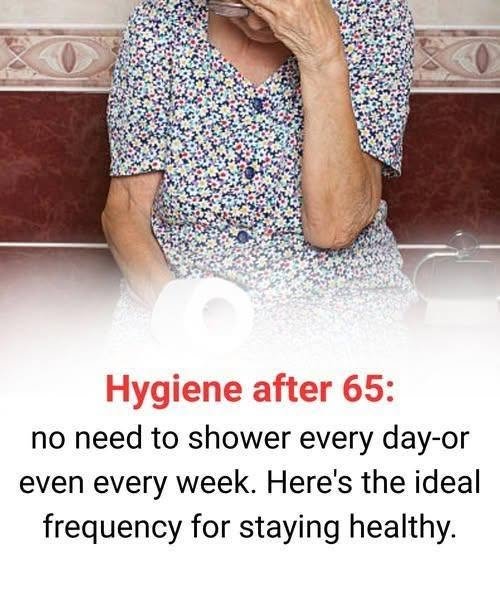
The idea that daily showers after age 65 can do more harm than good is not just another internet myth—it is heavily supported by dermatologists and geriatric health experts.
While society treats daily showering as the gold standard of hygiene, our skin undergoes fundamental biological changes as we age. Continuing a rigid, lifelong daily scrubbing habit into later decades can actively work against your body’s health.
Here is why dermatologists and the National Institute on Aging suggest dialing back full showers after 65, and what a healthier routine looks like:
1. Why Aging Skin Reacts Differently to Water and Soap
-
Declining Oil Production: As we age, our sebaceous (oil) glands naturally slow down production. Combined with a thinning skin layer and loss of collagen, the skin loses its ability to retain natural moisture.
-
Strip-Mining the Skin Barrier: Daily full-body showers—especially with hot water and traditional soaps—strip away what little natural lipid barrier remains. This leads to chronic skin dryness, intense itching (pruritus), flaking, and microscopic cracks.
-
Infection Risks: Severely dry, cracked skin loses its integrity, making it much easier for bacteria and pathogens to enter, potentially leading to painful skin infections or dermatitis.
2. The Recommended Routine for Adults Over 65
Medical guidelines generally shift the focus from daily full-body scrubbing to a balanced, targeted approach:
-
The Frequency Sweet Spot: For most older adults, a full shower or bath two to three times a week is entirely sufficient for maintaining good hygiene.
-
Targeted Daily Cleansing (The “Zones”): On days without a full shower, a quick sponge bath or washcloth wipe of odor-prone areas—specifically the face, underarms, groin, and feet—keeps you completely fresh without compromising the skin on your arms, legs, and torso.
3. Smart Habits to Protect Aging Skin
If or when you do shower, minor adjustments make a massive difference:
-
Turn Down the Heat: Searing hot water feels comforting, but it acts like a solvent, melting away your skin’s natural oils instantly. Keep water lukewarm and limit shower time to a few minutes.
-
Ditch Harsh Soaps: Swap heavily scented or antibacterial soaps for gentle, fragrance-free, moisturizing cleansers or syndet bars.
-
The “Damp Lock” Rule: Apply a rich, fragrance-free cream or lotion within three minutes of stepping out of the shower while your skin is still slightly damp to trap the moisture in.
A Quick Note on Bathroom Safety
Beyond skin health, reducing the frequency of complex, daily full-body showers also lowers the physical risk of slips and falls in slippery bathroom environments—a major safety consideration for older adults.
Are you or an older family member looking to adjust a routine due to dry skin, or were you curious about how hygiene recommendations shift over time?